
Purpose and Scope
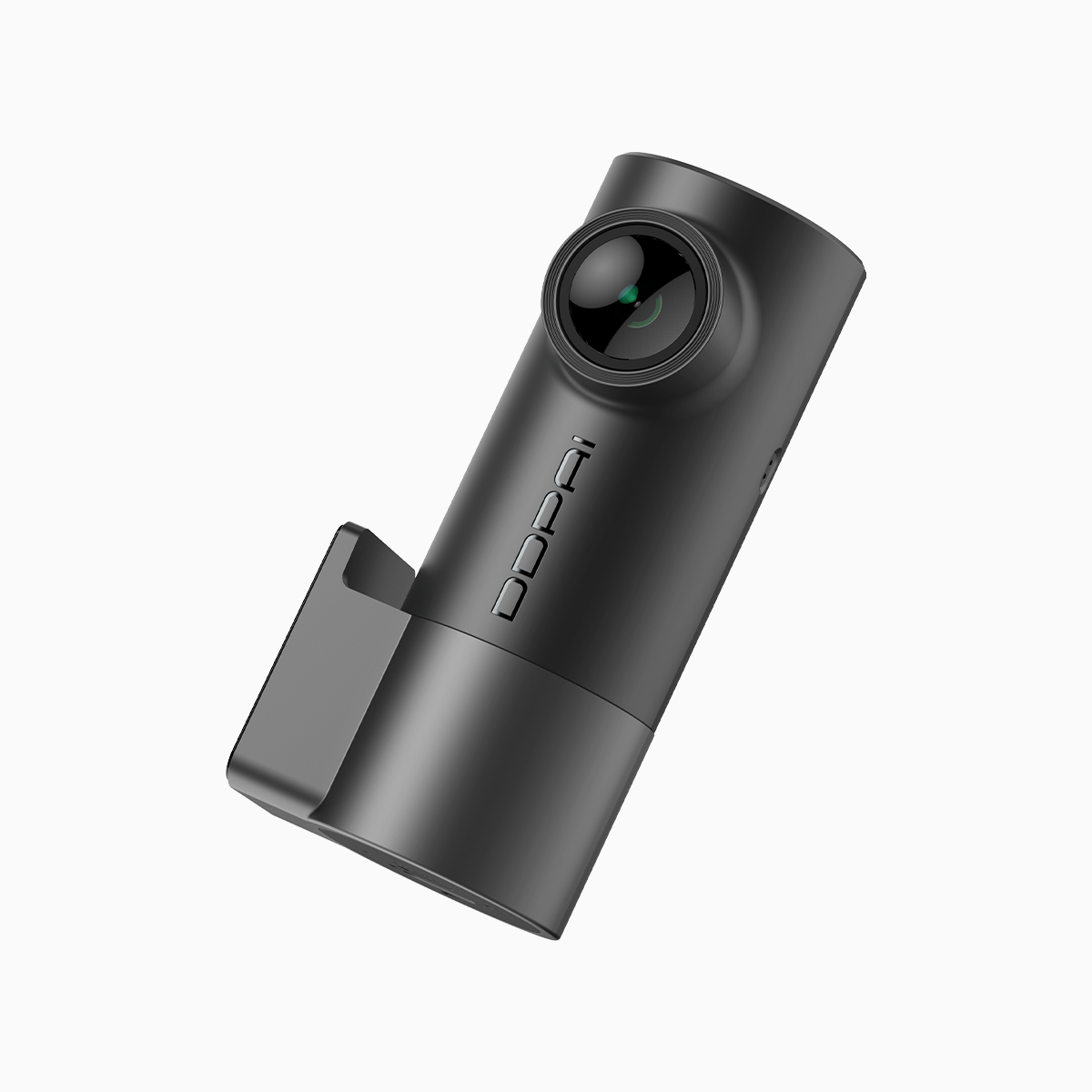
This document presents a structured framework intended to prescribe calibrated procedures for G‑sensor sensitivity and emergency video locking across commercial front and rear dash cam fleets. The framework targets operational consistency, evidentiary integrity, and minimized false‑positive event capture. Practical implementation anticipates deployment of devices such as the mini dash cam and similar modules with embedded event‑lock functionality. The approach is anchored in operational risk reduction and public safety metrics — global road traffic fatalities approximate 1.3 million annually (World Health Organization) — and it accords with chain‑of‑custody principles applicable to recorded vehicular data (G‑sensor; event‑lock).
Regulatory and Operational Preconditions
Prior to calibration, establish statutory retention requirements, data access controls, and evidence handling protocols. Ensure timestamps are synchronized to a recognized time source, and document firmware revision levels and deployment dates on each unit (timestamping; firmware). Adopt a policy baseline that specifies lock durations, encryption standards for stored media, and authorized personnel lists for evidence extraction. The baseline must be auditable and reproduced across control groups within the fleet.
Sensitivity Calibration Framework
Implement a three‑tier calibration matrix: baseline, situational adjustment, and adaptive recalibration. Baseline calibration entails controlled testing on paved surfaces at representative speeds to determine the device’s acceleration threshold for event‑locking. Situational adjustment prescribes discrete thresholds for urban low‑speed operation versus highway high‑speed operation. Adaptive recalibration requires scheduled field sampling and algorithmic adjustment based on false positive rates and missed‑event incidence. Begin with conservative thresholds to preserve evidentiary capture and incrementally reduce sensitivity where false locks rise — this preserves data integrity while limiting storage churn.
Emergency Video Locking Protocols
Standardize event‑lock behaviors: pre‑buffer duration, post‑event retention, lock authentication, and overwrite immunity. Configure pre‑buffer to preserve at least five seconds prior to event trigger and post‑event to retain a minimum of thirty seconds, unless operational policy dictates otherwise (pre‑buffer; event‑lock). Lock authentication must record unit ID, firmware hash, and locking timestamp to support later verification. Retain locked files on non‑volatile storage until an authorized release or until statutory retention lapses. Log all access and export operations for chain‑of‑custody continuity.
Fleet Deployment, Maintenance and Device Hygiene
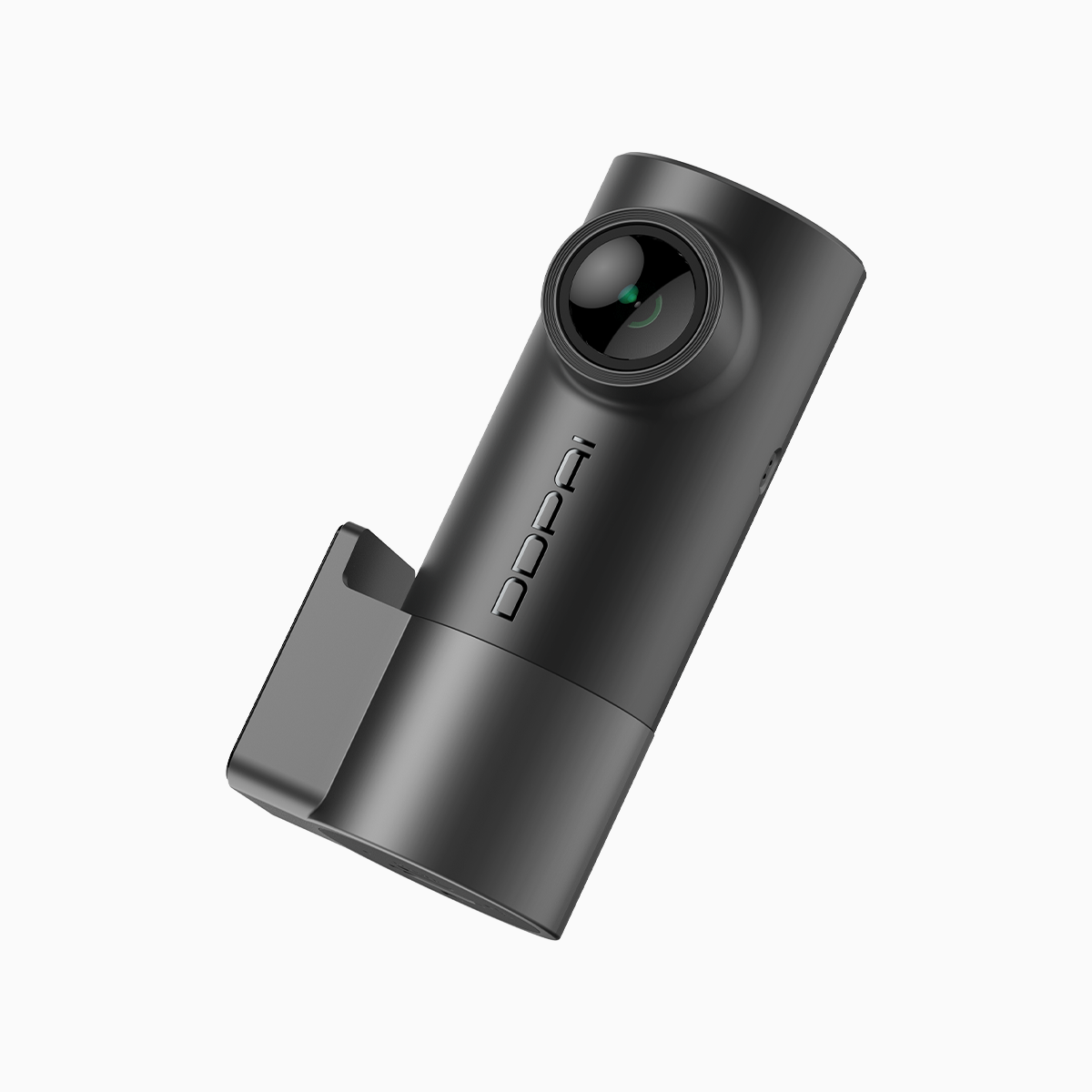
Enforce a maintenance regimen covering SD card health, firmware updates, and remote diagnostics. Rotate and replace storage media per manufacturer endurance specifications to mitigate wear‑leveling failures. Maintain a central configuration repository that pushes validated firmware and threshold profiles to field units. Devices marketed as compact solutions, including variants of the car hidden dvr, should be provisioned with secure update channels and an audit trail for each update event. Remote telemetry must report sensor variance and lock event statistics for centralized analysis.
Common Implementation Errors and Remediations
Operators typically err by setting thresholds that are either excessively permissive or excessively restrictive; both outcomes degrade evidentiary value. Excessive sensitivity generates a proliferation of trivial locks and accelerates storage exhaustion; insufficient sensitivity yields evidentiary gaps. Additional failures include unsynchronized clocks, undocumented firmware changes, and incomplete access logs. Mitigation requires routine calibration audits, automated time synchronization, and immutable logging. Also institute targeted retraining for fleet personnel — small investments that materially reduce incidence of misconfiguration.
Evaluation Metrics and Golden Rules
Adopt three critical metrics to evaluate success: 1) Event Capture Fidelity — target ≥95% capture rate for validated test collisions or triggers; 2) False Lock Rate — maintain false positives below 3% of total event locks over a 30‑day rolling window; 3) Evidence Availability Time — ensure locked footage is retrievable within established chain‑of‑custody procedures within 24 hours. These metrics permit objective assessment of calibration efficacy and digital evidence reliability. Continual measurement against these thresholds informs recalibration cadence and firmware policy.
Implement the framework with disciplined documentation and periodic verification to secure operational reliability; the outlined measures resolve common deficiencies and align fleet practice with evidentiary standards — DDPAI PH. —