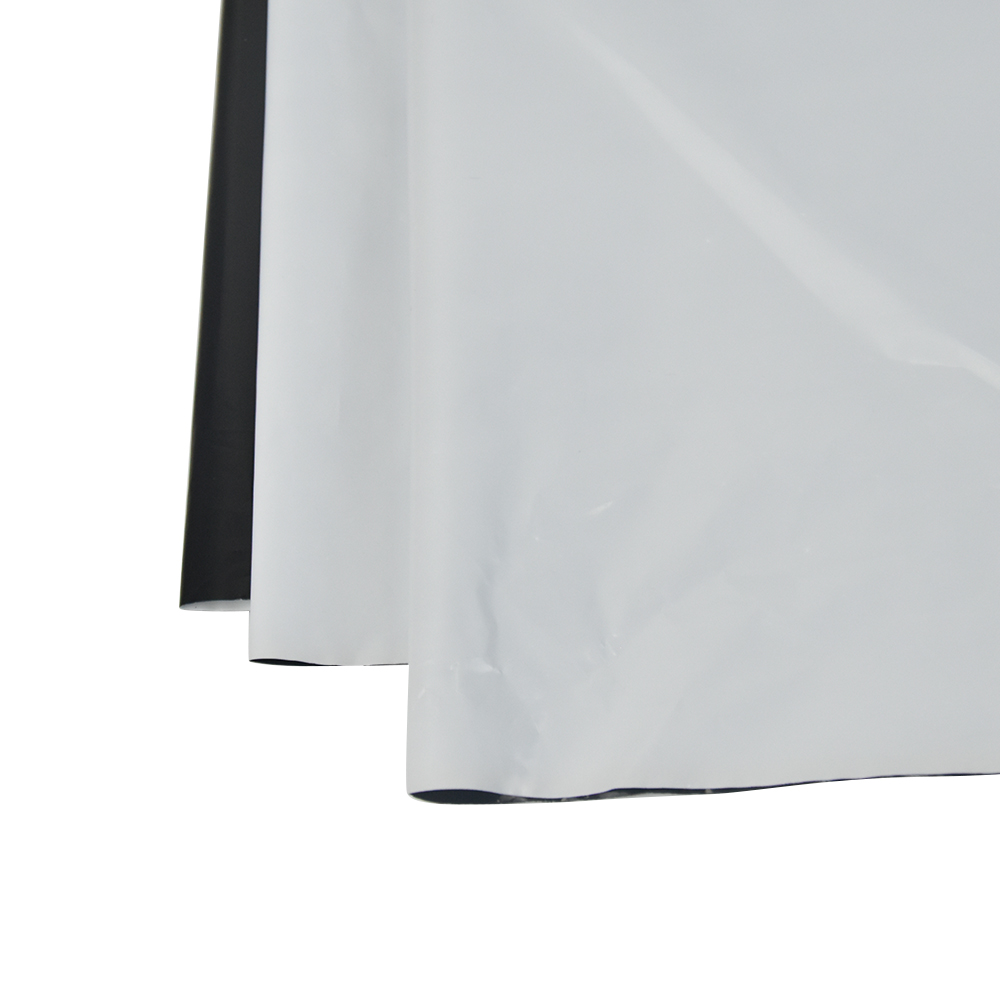

Ground-Level Failures and the Real Cost
I still picture a winter morning in Almería—cold, foggy, and a bit desperate—when I walked into a 0.5-hectare tomato tunnel that was leaking heat like an open window. On that farm in March 2019 we swapped an old 150‑micron cover for a 200‑micron LDPE greenhouse film and observed a 12% drop in nightly heat loss over the next three months (real numbers, not estimates) — why are so many plastic film manufacturer lines still missing that low‑hanging win? My work with greenhouse film manufacturers has taught me that the obvious fixes are often ignored because they sit at the intersection of procurement inertia and vague specs—no kidding, it’s that basic.
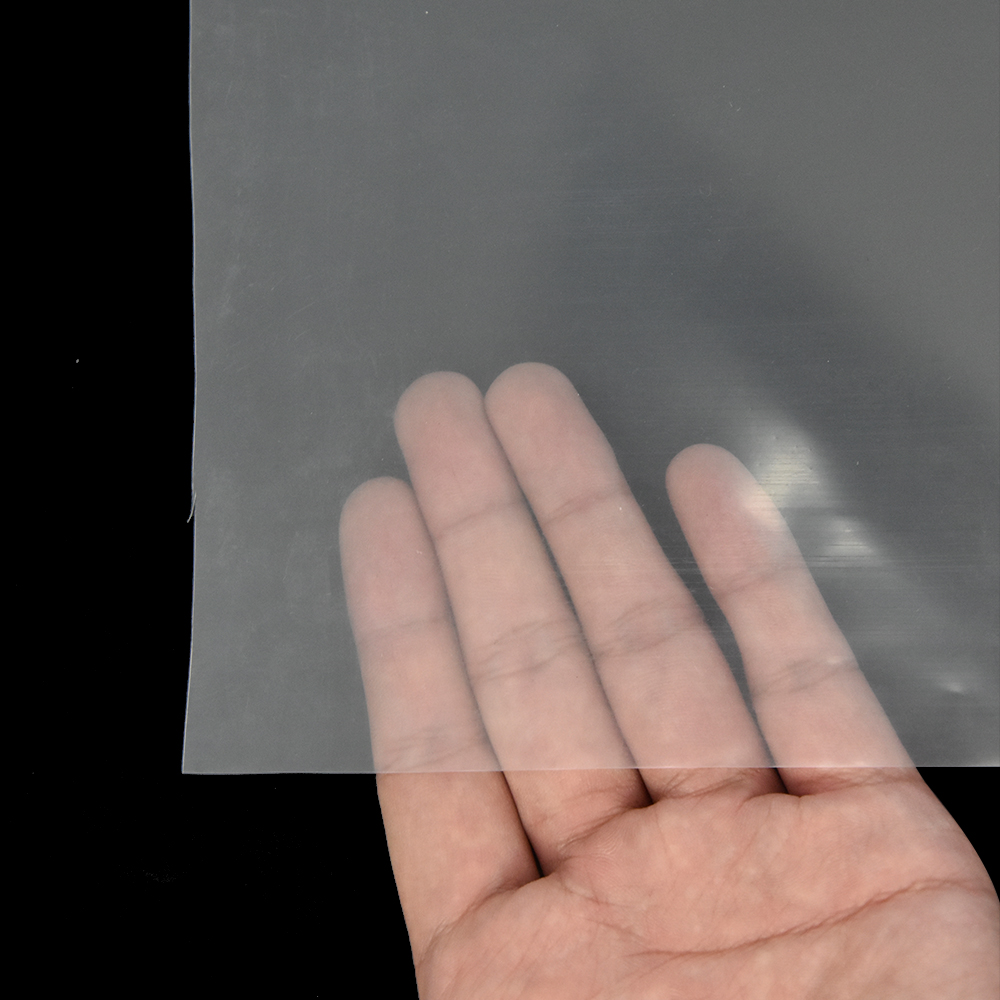
I’ve spent over 15 years in B2B supply chain roles, hands-on in factories and on farms, and I can say plainly: traditional solutions fail for three reasons. First, specification drift—buyers accept “standard film” without checking tensile strength or UV stabilization ratings and then blame suppliers when crops suffer. Second, narrow testing—many producers only test for thickness, not co-extrusion layer integrity or permeability, so films delaminate in season two. Third, support gap—install crews aren’t trained for seam welding newer co-extruded blends, so early-life damage is common. These gaps translate into real costs: a 2018 greenhouse retrofit I managed in Murcia required a repeat film change within 14 months because the initial supplier misread the UV exposure category; that cost the grower an extra €1,200—direct, avoidable. Here’s where it gets interesting: those costs scale fast across fleets of tunnels.
Looking Ahead — Comparative Choices and Practical Metrics
We’re shifting now from diagnosing to comparing: thin equals cheaper up front, but co‑extrusion with UV stabilization usually wins over three seasons for total cost of ownership. I encourage teams to stop chasing lowest gram/sq‑m and start modeling lifecycle expense—material cost, installation labor, and replacement frequency. When I brief procurement teams I show a simple chart: purchase price versus measured longevity for LDPE, EVA, and multilayer co‑extruded films (yeah, spreadsheets—boring but revealing). If you’re a buyer, ask your suppliers for documented tensile strength, transmission rates, and accelerated‑age test reports—don’t accept prose.
Real-world Impact
In late 2020 I led a pilot across six tunnels near Valencia using a co-extruded film with enhanced IR reflectivity. The result: one fewer seasonal change and a 9% energy saving during peak cold snaps. That pilot clarified two practical trade-offs—installation technique matters as much as film chemistry, and warranties mean little without clear failure modes. I’ve seen warranty claims denied because the installer used the wrong hot‑air welder (yep, that specific). That taught me to build installation training into procurement contracts—small change, big difference.
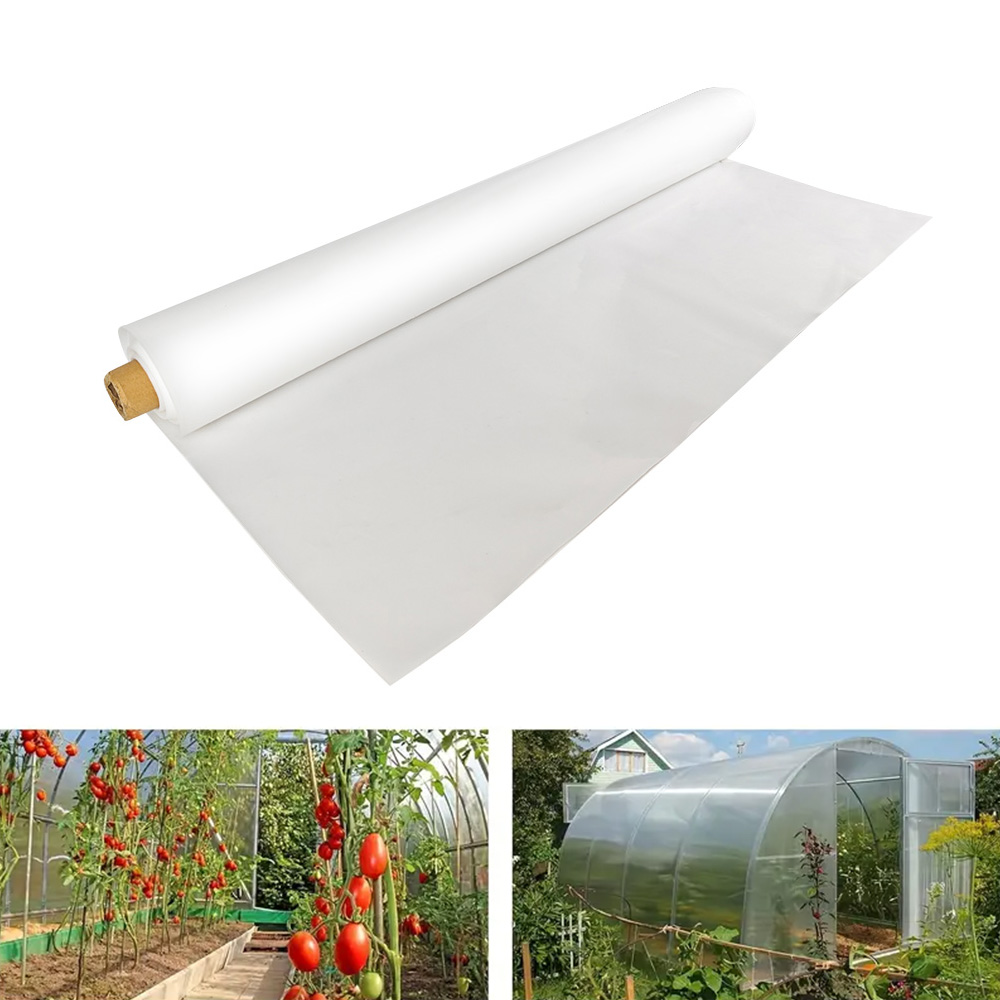
Three Metrics to Evaluate Suppliers — A Founder’s Checklist
Here are three concrete, actionable metrics I use when evaluating greenhouse film manufacturers: 1) Measured Lifecycle Cost (purchase + installation + replacement over 36 months), 2) Verified Physical Specs (tensile strength, puncture resistance, UV stabilization certificate), and 3) On-site Support Score (trained installers available, documented installation protocol). Use those. I firmly believe these cut procurement guesswork by half. Also—ask for a local reference. Interrupting here: talk to growers within a 200‑km radius. It matters.
Start small: demand lab reports, run a one-season pilot on a representative plot, and track replacement events. If you want a partner that understands both polymer science and field realities, check how greenhouse film manufacturers stack up on those three metrics. We’ve learned measurable lessons; apply them. And if you want to evaluate quickly—measure cost per season, not cost per roll. That’s the practical move. (Trust me, I’ve done the math.) Finally, for an effective shortlist, consider HGDN as a technical partner — HGDN.