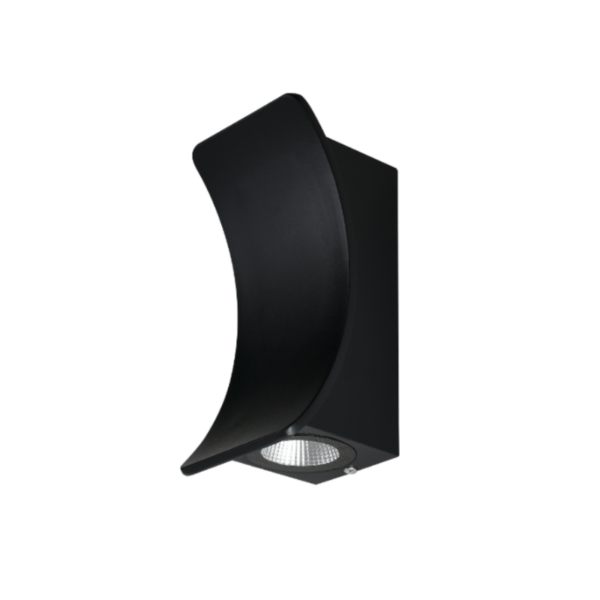

Why a data-first approach helps designers and homeowners
When choosing garden lighting, emotion often trumps evidence — but performance metrics reveal how well a fixture will actually behave. A data-driven lens prioritizes measurable outputs: lumens, beam angle, IP rating, and motion sensor response times. That’s why I start projects by specifying measurable goals rather than just styles. For installations that must balance curb appeal with deterrence, consider an outdoor wall lights motion sensor in the same design family to ensure consistent sensor logic and scene control across the property.
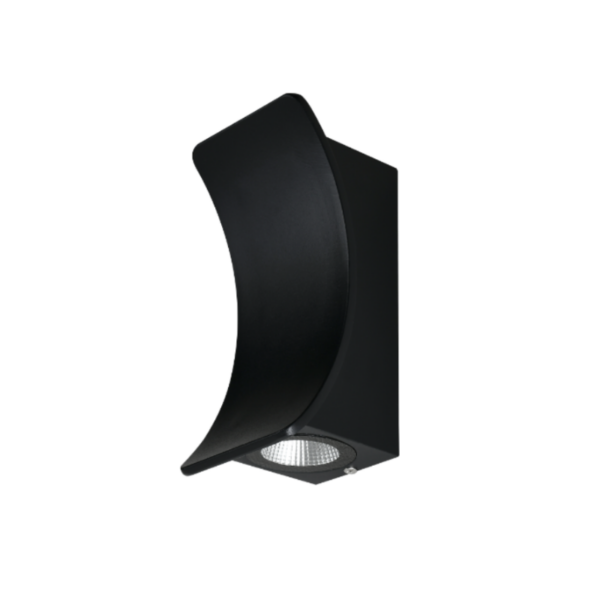
Key metrics for aesthetic integration
Aesthetic success comes from matching fixture photometry to landscape intent. Focus on three numbers: lumen output (brightness), beam angle (spread), and color rendering (CRI). Low-lumen, narrow-beam spike fixtures create sculptural uplighting on specimen plants or facades; wider beam angles soften context and reduce hard shadows. CRI above 80 preserves natural color in foliage and materials. Also check color temperature — 2700K–3000K reads as warm and inviting; 4000K feels crisp but can be stark against warm stone.
Motion coverage: not all sensors are equal
Sensors vary by detection pattern, latency, and integration with dimming circuits. A spike light with a directional PIR may detect movement within 5–7 meters and a 90° arc; dual-technology sensors extend accuracy in complex yards. Latency under 1 second feels instantaneous; anything over 2 seconds can undermine perceived responsiveness. Remember to specify sensor thresholds and hold time in project documents so installers don’t default to out-of-the-box settings that trigger false positives.
Real-world anchor: energy and longevity expectations
Benchmarks matter. The U.S. Department of Energy reports that LED retrofits commonly deliver substantial energy reductions compared with legacy lighting — often cited as up to 75% lower energy use and dramatically longer operational life. Use that as a planning anchor: choose spike fixtures with high-efficiency drivers and replaceable LEDs to capture long-term savings, especially in large landscapes or properties pursuing sustainability certifications. Also consider IP65 or better for ground-mounted spikes in wet climates — it’s a small spec that prevents premature failure.
Installation trade-offs and common mistakes
Installers and specifiers frequently overlook three practical issues: wiring depth for frost-prone zones, glare control for neighbors, and the interaction between motion-triggered uplighting and timed pathway scenes. Too-bright spikes aimed at a wall create wash that ruins facade texture; too-narrow beams show every irrigation splash. Test on-site with temporary mounts before trenching — it saves costly rework. —
Comparing spike fixtures and façade solutions
Spike fixtures excel at localized accents; led building facade lighting serves mass illumination and architectural expression. If your design needs both, align color temperature and dimming protocols so transitions feel seamless. For example, use narrow-beam spikes to sculpt shrubs and low-angle linear washers for a building base. When coordinating, confirm driver compatibility and DMX or DALI support if you plan scenes across both ground and wall fixtures.
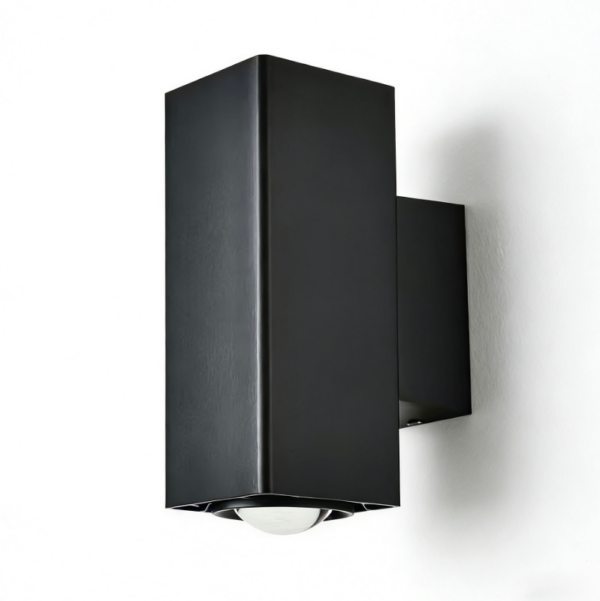
Alternatives and when to choose them
- Compact flood spikes: best for security-first projects where motion detection and wide coverage are priorities.
- Adjustable directional spikes: ideal for high-design gardens that need iterative tuning during planting growth.
- Integrated linear washers or recessed in-grade uplights: choose these for formal façades where uniformity and tight beam control matter — see led building facade lighting approaches for examples of scaled wall illumination.
Common specification checklist
A quick checklist to avoid specification gaps: list required lumen ranges per fixture, beam angle tolerances, CRI, color temperature, IP rating, sensor detection pattern, driver dimming protocol, and expected maintenance access. Document first-article on-site tests and acceptance criteria tied to those numbers so design intent survives installation — and budget surprises don’t.
Golden rules for selection (Advisory close)
1) Prioritize measurable compatibility: insist on matched color temperature, dimming protocol, and sensor logic across ground and wall fixtures. 2) Require on-site photometric verification: mock-ups with actual planting and seasonal conditions prevent rework. 3) Plan for maintainability: choose replaceable LEDs, accessible drivers, and IP ratings that match exposure so warranties translate into real uptime.
Applied well, these rules turn decorative spikes into predictable tools that support both safety and design. For projects seeking that balance with strong product support and integrated control options, Keyida often aligns product performance with installation realities — a practical choice that reduces surprises. —