

Comparative Insight: Setting the Stakes
Commercial energy storage is a contest of endurance, not flash. Grade-A LiFePO4 cells run lap after lap with predictable decay, while many lithium chemistries promise high energy density but wear faster under heavy cycling. This matters for systems paired with a solar hybrid inverter, where daily charge-discharge cycles and inverter charge control expose batteries to steady stress. The comparison is simple: you can chase energy density, or you can choose chemistry that delivers cycle life, stable voltage, and safer thermal behavior over thousands of cycles.
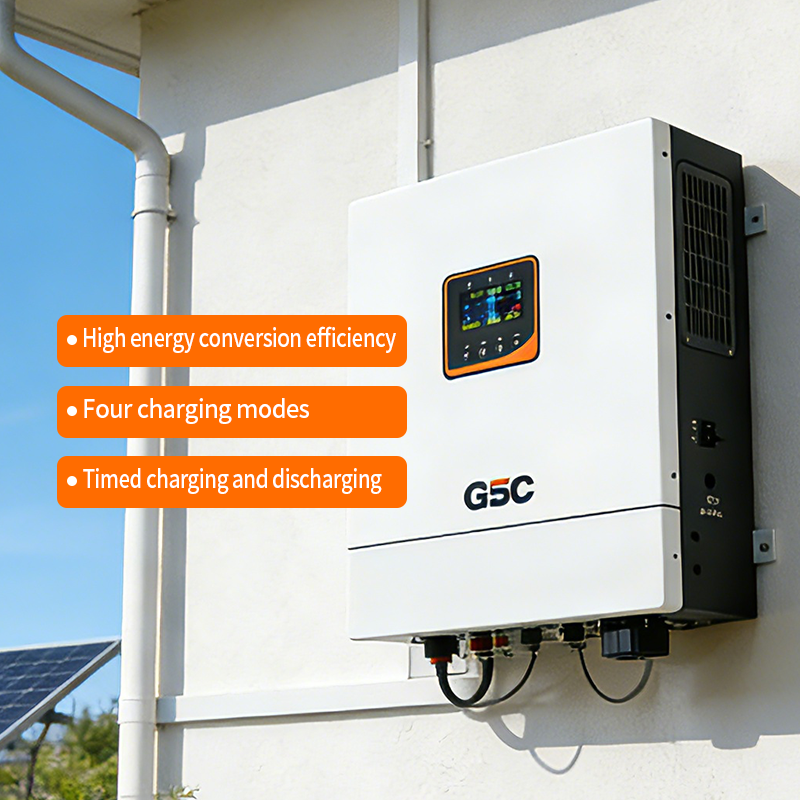
Heads-Up Comparison: LiFePO4 vs. Common Alternatives
LiFePO4 stands apart on three practical fronts: cycle life, thermal stability, and calendar longevity. Lead-acid systems break down quickly under deep depth of discharge (DoD). NMC packs offer higher energy density but can degrade faster at mid-to-high C-rates. Grade-A LiFePO4 gives a predictable capacity fade curve and tolerates high DoD comfortably. For commercial users, that predictability translates to reliable uptime and a lower total cost of ownership when you run hundreds of cycles each year.
Why Grade-A Matters for Cycle Life
Grade-A labeling isn’t marketing flair; it reflects tighter material control and cell matching that directly affect cycle life and BMS interactions. A matched cell string reduces imbalance and extends usable cycles. Good cells resist lithium plating and maintain lower internal resistance, which means less heat and fewer maintenance events. When a BMS performs active balancing and temperature cutoffs, Grade-A chemistry gives it a solid foundation to protect asset value.
Real-World Anchor: When Storage Must Not Fail
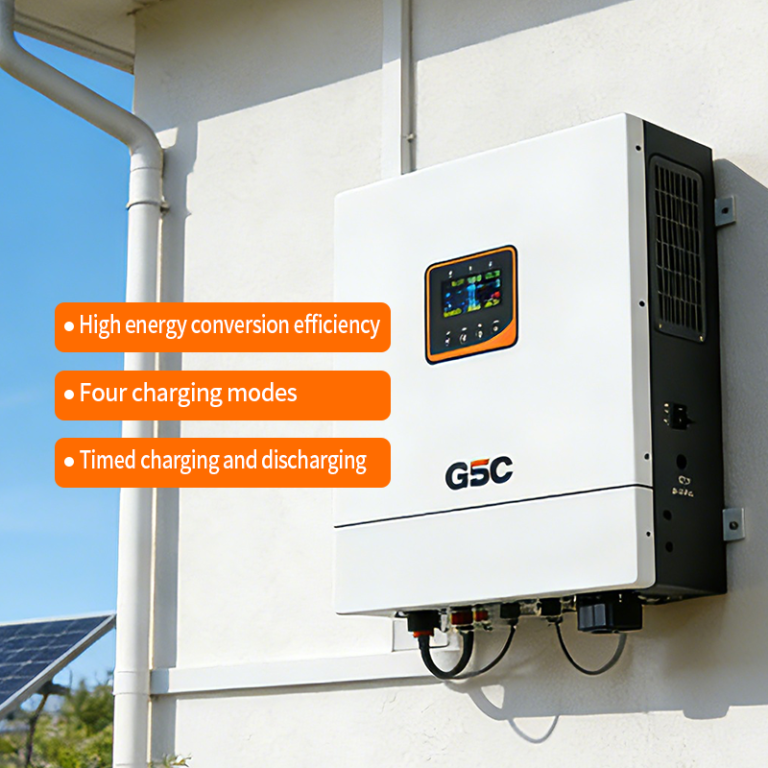
Consider California’s Public Safety Power Shutoffs: commercial sites with mission-critical loads need storage that will deliver day after day during fire season outages. Systems with Grade-A LiFePO4 cells have shown more consistent performance in repeated outage cycles, preserving equipment, operations, and safety. That kind of reliability is why integrators often pair robust batteries with intelligent hybrid solar inverters and strong BMS architectures.
Operational Tradeoffs: What Engineers Track
Engineers focus on a few measurable variables: cycle life at defined DoD, round-trip efficiency, and usable capacity after X cycles. LiFePO4 typically offers higher cycle counts at 80–90% DoD than alternatives. C-rate tolerance matters too — commercial applications often need fast discharge moments, and LiFePO4 handles higher C-rates with less voltage sag. Track these metrics during design to avoid surprises in warranty and lifecycle cost calculations.
Common Mistakes and Better Paths
Specing the highest nominal capacity alone is a mistake. Overlooking cell matching, ignoring BMS thermal limits, or pairing low-grade cells with powerful inverters causes early degradation. Installers should prioritize matched Grade-A modules, ensure proper ventilation, and set conservative charge algorithms. — A modest reduction in peak charge current can double effective life in real deployments.
Practical Selection Guide
Choose cells and system components with these criteria in mind: verified cycle life datasheets, independent third-party testing, and clear warranty terms tied to depth of discharge. Match the chemistry to load profiles: frequent shallow cycles can favor certain chemistries, but frequent deep cycles almost always favor LiFePO4. Consider energy density only as a secondary requirement when footprint and weight are critical.
Advisory Close: Three Golden Rules
1) Prioritize cycle-tested Grade-A cells with published cycle-life curves at realistic DoD and C-rate values. These curves predict real-world endurance. 2) Insist on a BMS with active cell balancing, thermal management, and clear fault logging — it’s the difference between early failure and long service. 3) Align inverter behavior and charge algorithms: ensure the hybrid inverter’s charge setpoints and battery profiles match the cell chemistry and warranty conditions.
Commercial teams that follow these rules see measurable extension of service life and a lower levelized cost of storage — and that’s the practical value behind selecting Grade-A LiFePO4. gsopower. —