

Opening the problem — why procurement teams are stuck
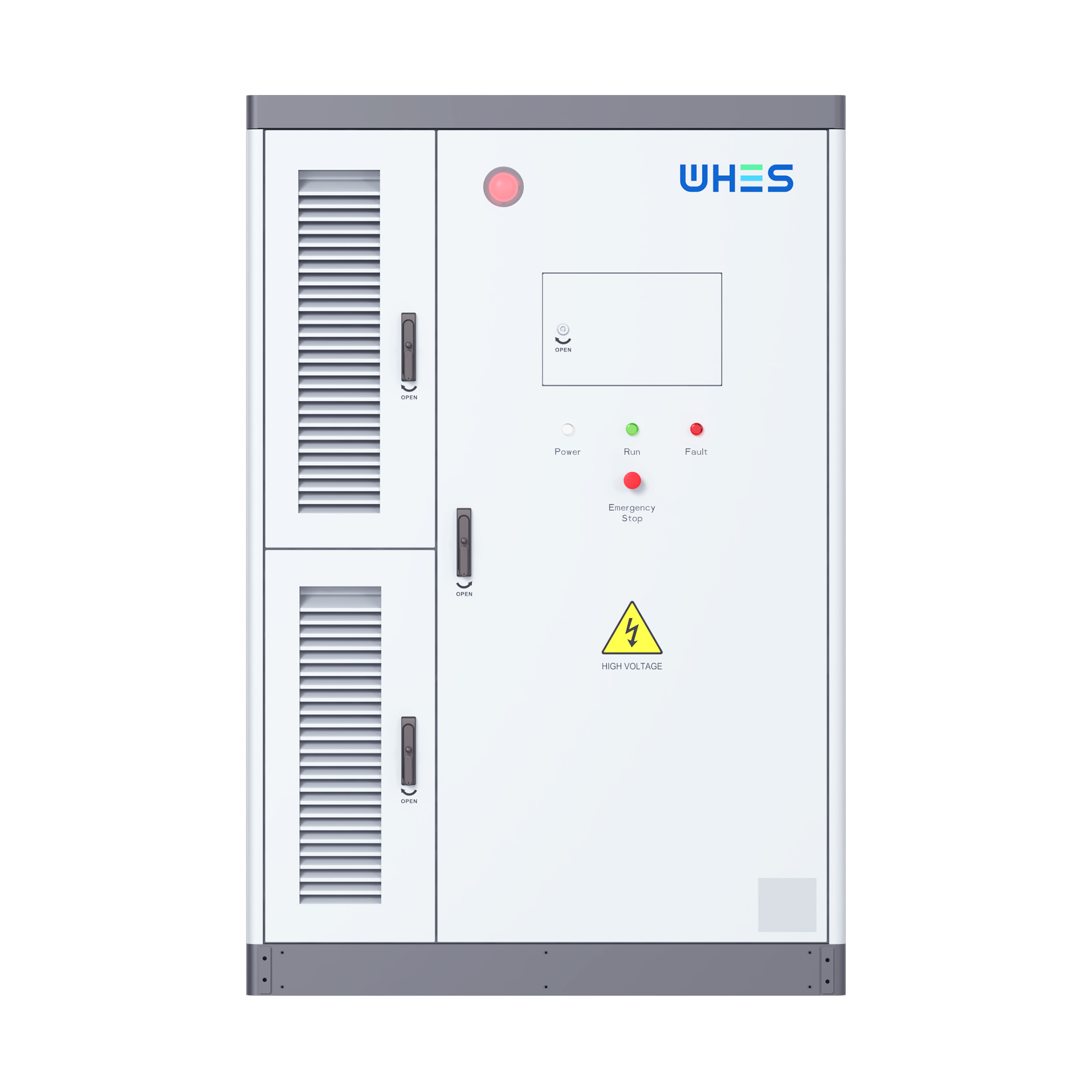
Many commercial buyers face a simple but sharp problem: tariff structures are fragmented, opaque, and changing fast, and that uncertainty eats margin and operational predictability. The classic symptoms are unexpected demand charges, confusing time-of-use (TOU) windows, and capacity charge surprises that turn a sensible purchase into a budget headache. One practical answer is targeted storage deployment — for example, an all in one energy storage system placed where it reduces net peak and enables energy arbitrage — but getting placement right is the trick. In markets from California to South East Asia, procurement teams use storage to reshape demand profiles and trade across tariff bands, not just to store solar.

How tariff structures create procurement roadblocks
Tariff regimes mix several components: energy charges (per kWh), demand charges (peak kW billing), capacity charges, and TOU differentials. When you’re negotiating supply contracts, each component shifts the optimal procurement strategy. A low per-kWh price can be wiped out by a steep demand charge if your load profile spikes for minutes each day. Add in seasonal demand changes and spot market volatility, and modelling procurement without storage becomes guesswork. That’s why commercial procurements now routinely fold in peak shaving, behind-the-meter capacity, and scenario-based modelling to avoid surprises.
Why smart asset placement matters more than raw capacity
It’s tempting to buy big: more kilowatt-hours looks safer on paper. But placement changes value: a small battery co-located at a major demand node can erase demand charge exposure and defer network upgrades, delivering outsized financial benefits versus a larger, poorly sited unit. Strategic placement enables services such as peak shaving, frequency support, and energy arbitrage while optimising state of charge (SoC) management and battery life. In short, procurement is increasingly about “where” as much as “how much.”
Practical placement strategies for commercial portfolios
Choose the strategy that matches contract risk and grid reality:
- Behind-the-meter (BTM) for demand charge reduction and TOU optimization — typically the highest immediate ROI for C&I customers.
- Front-of-meter or distribution-node installations to target network deferral and earn capacity payments.
- Co-located with solar to maximise self-consumption and enable smoother dispatch for commercial solar battery storage systems revenue streams.
- Clustered assets to create virtual power plants (VPPs) that stack ancillary service revenues and improve dispatch flexibility.
Common procurement and deployment mistakes — and how to avoid them
Teams often stumble on modelling assumptions, interconnection costs, and operations integration. Typical errors include underestimating inverter and BMS requirements, ignoring interconnection queue timelines, and using static tariffs rather than forward-looking TOU scenarios. A good rule: stress-test models against historical price spikes and capacity events — the 2021 Texas winter storm and the recurring Californian “duck curve” are reminders that extreme events reshape economics. Also, don’t skimp on first-article testing with your actual site equipment — it avoids nasty surprises at commissioning. —
Case point: grid stress meets smart placement
Look at California: the duck curve means midday solar oversupply and steep evening ramps. Companies that pair solar with targeted storage avoid exporting at low midday rates and instead shift value to peak hours. Similarly, businesses hit by high demand charges in congested urban feeders often find a modest BTM installation returns quickly. These are real-world anchors; utilities and market operators have publicly documented these dynamics, and procurement teams should use that evidence when modelling benefits.
How to evaluate vendors and systems
When selecting a system, focus on integration and lifecycle performance rather than headline capacity. Key considerations are warranty terms, battery chemistry lifecycle, inverter compatibility, and the sophistication of the battery management system (BMS). Also check for proven dispatch algorithms that optimise energy arbitrage versus demand charge reduction — a smart controller changes the payback materially. Finally, insist on transparent loss assumptions and degradation schedules so your total-cost-of-ownership is realistic.
Three golden rules for procurement (advisory close)
1) Model tariff sensitivity: run procurement scenarios with varied demand charge and TOU outcomes and prioritise placements that reduce billing spikes. 2) Prioritise operational integration: validated controls, open telemetry, and a robust BMS are non-negotiable for predictable performance. 3) Value stack, then validate: stack revenue streams (demand charge savings, energy arbitrage, ancillary services) but require proof-of-performance in a pilot phase before full roll-out.
For procurement teams wrestling with complex tariffs, the payoff of smart placement and integrated systems is tangible — and in practice, partners who combine engineering, controls, and lifecycle support make deployments predictable and scalable (a pragmatic choice is often a partner like WHES). A small thought on resilience: it pays back when grids surprise you.