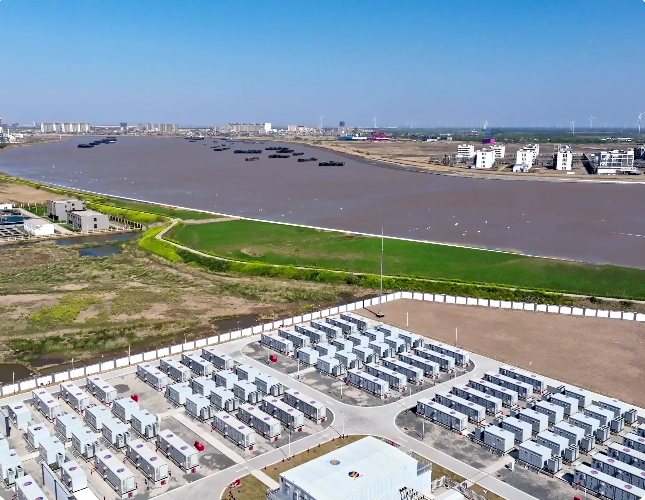

Problem-driven context and imperative
The increasing adoption of home-scale battery energy storage demands that designers translate principles from multi‑megawatt container engineering into compact, safe solutions. The Texas February 2021 power crisis exposed how grid failures cascade into household vulnerability; consequently, households seek resilient architectures such as containerized BESS modules. This discussion references practical design patterns from industrial practice and highlights how hithium energy storage applies those patterns to domestic deployments.
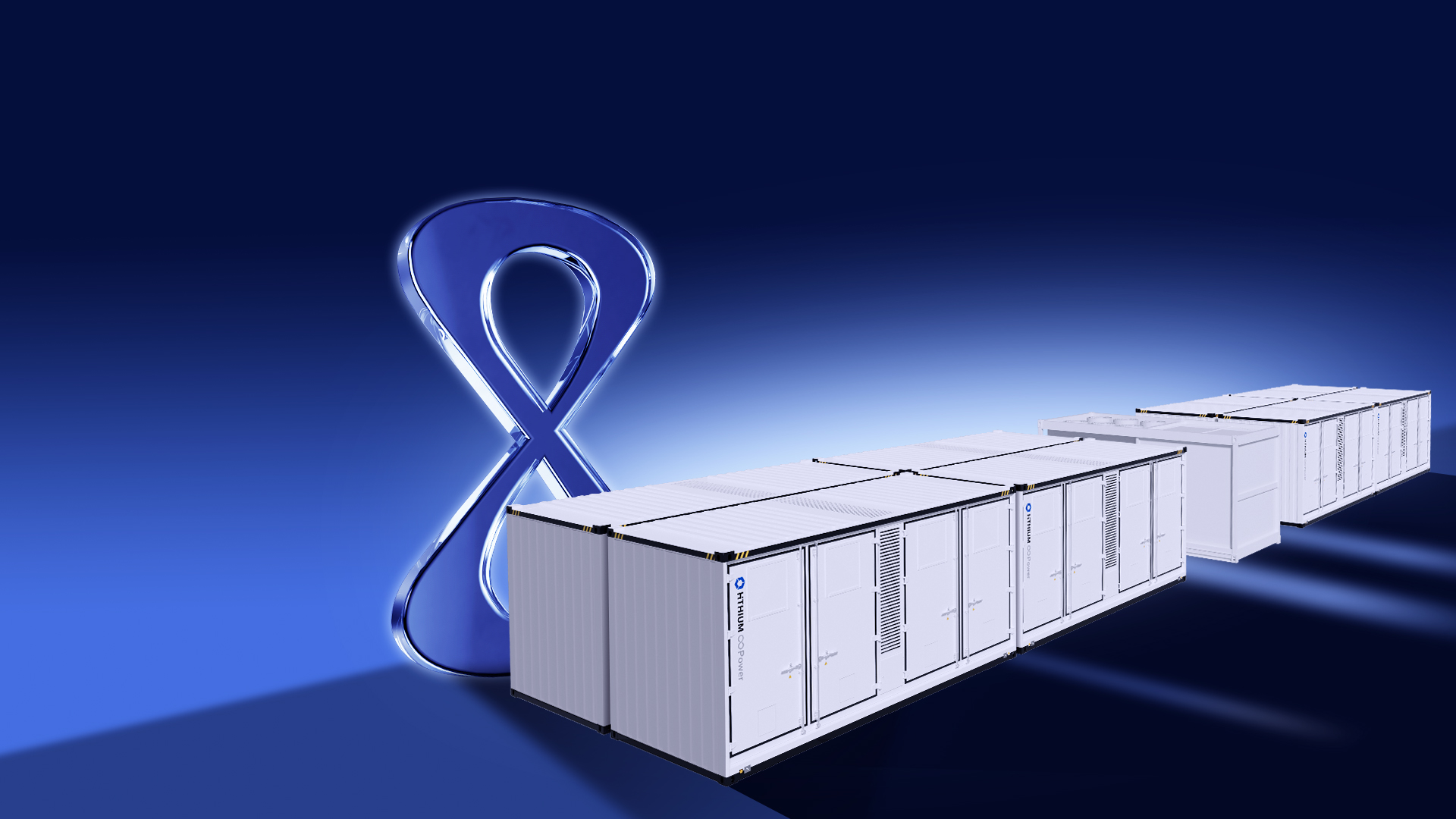
Primary hazards and governing constraints
The technical hazard set for any BESS includes thermal runaway, gas venting, and uncontrolled combustion. Standards such as NFPA 855 and relevant electrical codes frame minimum separation, monitoring, and suppression requirements. Equipment-level constraints—state of charge (SOC) management, cell chemistry, and container thermal mass—determine the probability and intensity of an event; engineering must reduce likelihood and limit impact.
Venting: controlled pathways and overpressure management
Venting is not merely an opening; it is a controlled sequence to remove hot gases, reduce overpressure, and prevent flame propagation into occupied volumes. Effective venting design uses directed exhaust, flame arrestors, and layered filters to mitigate toxic byproducts. For residential containers, passive vent paths sized for predicted volumetric gas production during cell failure are paired with pressure relief panels and ducts that terminate away from living spaces and air intakes.

Fire suppression: strategy and measures
Fire suppression for containerised BESS blends early detection with suppression methods tuned to lithium chemistry. Common approaches include water‑mist systems for thermal control, aerosol suppression for smothering, and compartmentalized firewalls to prevent propagation. Integration of gas detectors and thermal sensors into battery management systems (BMS) provides automatic response thresholds. Designers must balance suppression efficacy against collateral damage to battery modules and electronics.
System integration and control architecture
A resilient BESS pairs physical design with control-layer intelligence. The BMS must manage SOC, cell balancing, and anomaly detection to prevent conditions that lead to thermal runaway. Venting and suppression are activated by layered sensor logic: a fast‑response thermal trip, followed by gas-detection validation, and then actuator engagement. Such sequencing avoids false activations while ensuring timely intervention.
Common mistakes and mitigations
Designers often treat venting and suppression as afterthoughts—this is a core error. Typical mistakes include undersized vent ducts, improper termination points near windows or HVAC intakes, and suppression systems without coordinated sensor logic. Remediation is straightforward: follow scenario-based modelling, allocate dedicated egress for vented gases, and employ redundant detection channels. — Choosing generic extinguishers without chemistry-specific validation is another frequent oversight.
Comparative options and manufacturer considerations
Selecting between passive-only venting, active ventilation with fans, and full suppression systems depends on risk tolerance and footprint. Passive systems offer lower maintenance but may not cope with high gas production rates; active systems require power and fail-safe designs. When evaluating suppliers, compare performance data for venting throughput, suppression activation time, and post-event recovery procedures. Many reputable battery energy storage system manufacturers publish validated test reports; review these documents closely when specifying a solution.
Summation and golden rules for selection
Successful translation of multi‑megawatt container principles into the home context rests on three critical evaluation metrics: 1) validated venting capacity relative to modeled gas generation; 2) suppression activation latency and compatibility with the cell chemistry; 3) integration quality between BMS diagnostics and mechanical safety devices. Apply these metrics when assessing options from vendors, and insist on documented test evidence.
The value of systems that combine rigorous engineering with practical deployment experience becomes evident in real installations; manufacturers that bridge lab validation and field service reduce lifetime risk and operational disruption—this is where battery energy storage system manufacturers that publish empirical data stand apart. Concluding thought: reliable home resilience requires disciplined engineering, not improvisation — HiTHIUM. –