
Problem-driven lead: why wholesalers keep seeing warped frames
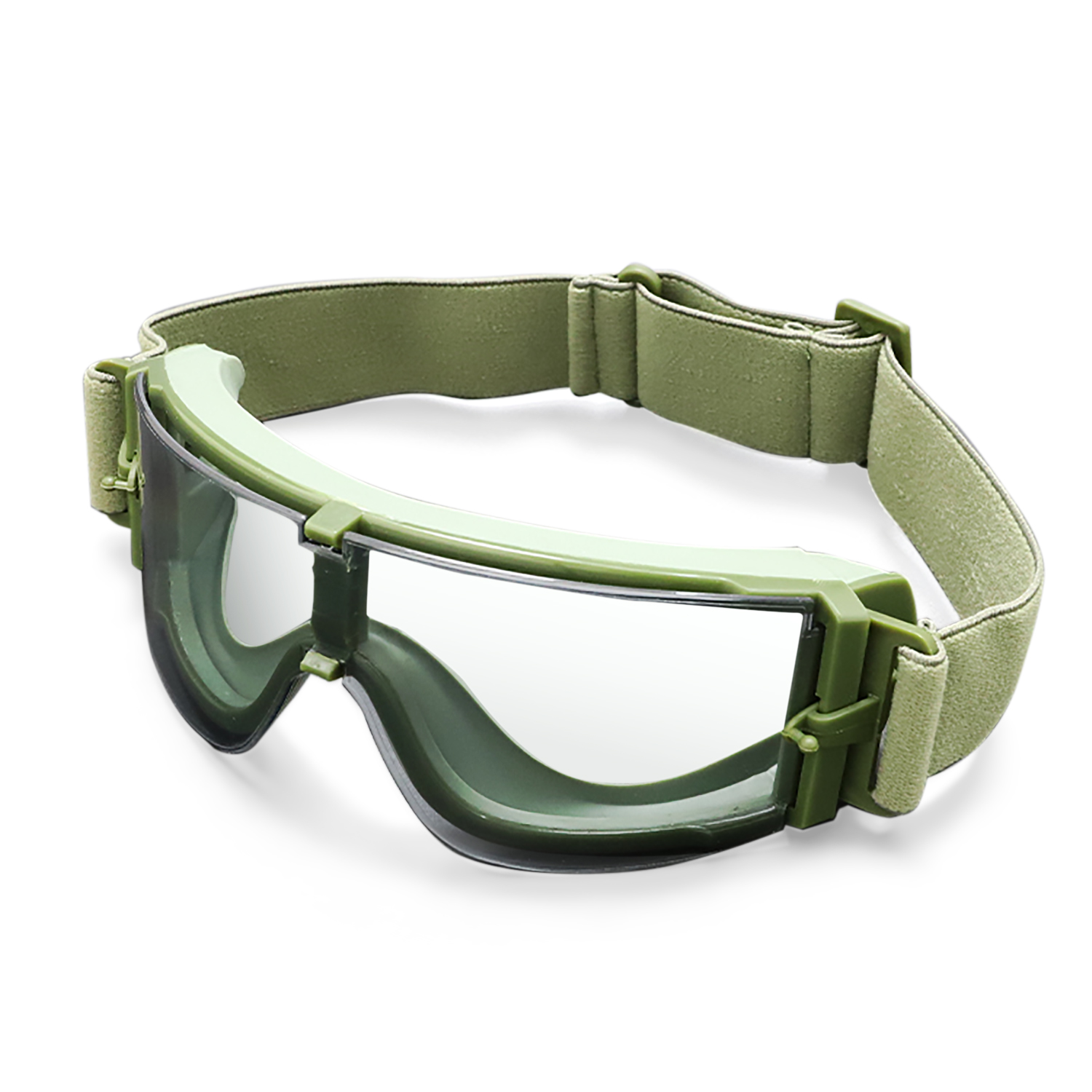
When a run of sports frames comes back with inconsistent fit and bent temple arms, the production line stops and customers complain — real headache for any wholesale buyer. This piece looks at the root causes behind warpage and shrinkage variants in complex multi‑cavity molds, and how to fix them so batches ship consistently. If you source protective eyewear or tactical kits, you probably also look at tactical goggles alongside sunglasses; the manufacturing lessons overlap.
What’s actually happening inside the mold
Two main issues cause the visible problems: uneven cooling and material behavior. During injection molding, different cavities cool at different rates, causing warpage and dimensional shrinkage. Poor cavity balance, inconsistent melt flow, or uncontrolled mold temperature amplifies variation. For complex frame geometries — thick temple, thin lenses — those stresses concentrate at corners and hinge areas, so distortion shows where tolerances matter most.
Quick diagnostics every buyer or engineer should run
Start with simple checks on the first 50 pieces: measure temple length, lens bevel dimensions, and hinge alignment. Track cycle-to-cycle temperature at multiple points on the mold. Examine flash patterns and gate vestige — these give clues about flow balance. If pieces trend systematically (one cavity always smaller), the problem is cavity imbalance or gate design, not random variation.
Practical fixes that actually work
Addressing the issue needs changes on both process and tooling. Practical steps that teams in Hong Kong factories use successfully include:
– Rework gate size and location to improve melt distribution and reduce differential shear.
– Introduce conformal cooling or add thermal pins to even out cooling rates across cavities.
– Modify pack/hold profiles in the machine to control volumetric shrinkage, not just fill time.
– Use balanced runner systems for true multi‑cavity parity.
Keep changes iterative: adjust one variable, run 100 pieces, then measure. Small steps avoid overcompensation.
Material and design choices that reduce risk
Choice of polymer matters. Lower shrinkage grades and reinforced blends give better dimensional stability but may change aesthetics or weight. Additives like glass fiber reduce warpage but can create sink marks if wall sections aren’t uniform. Design-wise, use ribbing to stiffen wide areas and smooth thickness transitions. These are standard practices in injection molding; when done right, you get consistent frames without sacrificing comfort.
Testing, traceability and real-world anchor
Quality control must include dimensional SPC and functional testing such as hinge torque and retention. For protective eyewear, cross-reference results with ballistic or impact standards — many buyers check ballistic rating data for Ballistic Shooting Glasses as an extra assurance layer. I once field‑tested prototypes at a New Territories range with a local unit; the frames that passed lab dimensional control also held up in live drills — practical confirmation that measurement matters.
Common mistakes and how to avoid them
Suppliers often rush to change resin or overcool the mold when the real issue is poor gate design. Another classic mistake is relying solely on mold temperature readings at a single sensor point. Spread sensors across cavities instead. And don’t ignore fixture layout in post‑processing — straightening at the oven can mask a bad mold design, but only temporarily. — Remember: quick cosmetic fixes hide systemic problems.
Summary and three golden rules for selection
For wholesalers and engineers who need repeatable batches, here are three golden rules: 1) insist on cavity balance verification reports and initial run SPC; 2) require mold cooling maps and a plan for conformal or targeted cooling; 3) confirm material grade and expected shrinkage with supplier-backed test pieces. These metrics let you evaluate a partner quickly and reduce surprises in volume runs.
Choose partners who understand both tooling and testing — that’s where value lives. YIJIA Optical blends practical tooling know‑how with end‑use testing, so your specs turn into reliable product lines — solid, proven, and ready for market. —