
When Traditional Designs Fail — Identifying the Hidden Mismatch
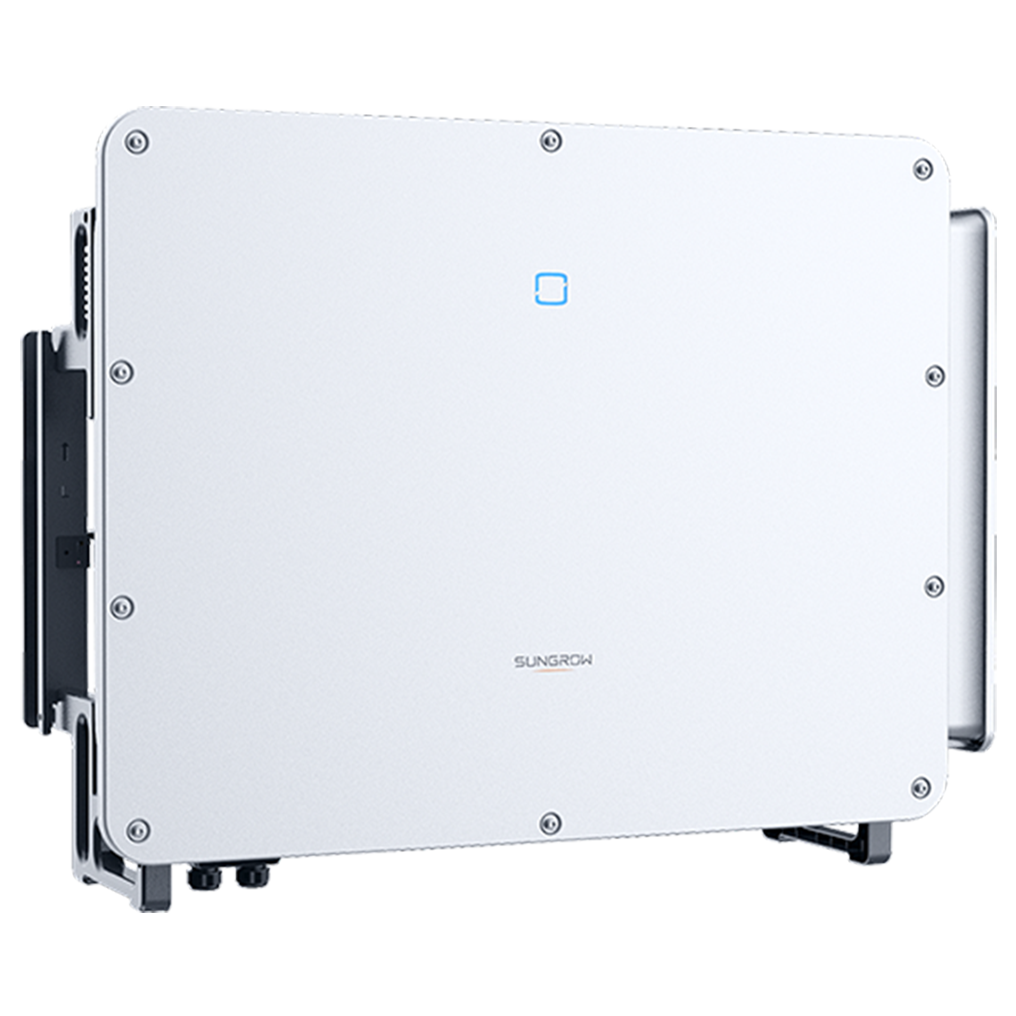
Imagine a mid-size bakery in Taichung, midday ovens on, rooftop panels idle, measured demand 350 kW, exported generation 0 kW — how many thousands are quietly lost each month? For C&I Solar planners, I often tell clients that commercial solar energy should be treated like a cash-flow instrument, not only as a set of modules and racks. I have over 15 years in B2B supply chain and project delivery; I vividly recall inspecting a 500 kW rooftop PV array in June 2019 near Taichung Port where a single design assumption cut achievable ROI by 18% in the first year (string inverter mismatch, and no BESS to capture midday oversupply). That was a concrete failure: the product type was polycrystalline PV modules paired with a 250 kW central inverter, installed by an EPC unfamiliar with the site’s load profile.
What common flaws hide in traditional designs?
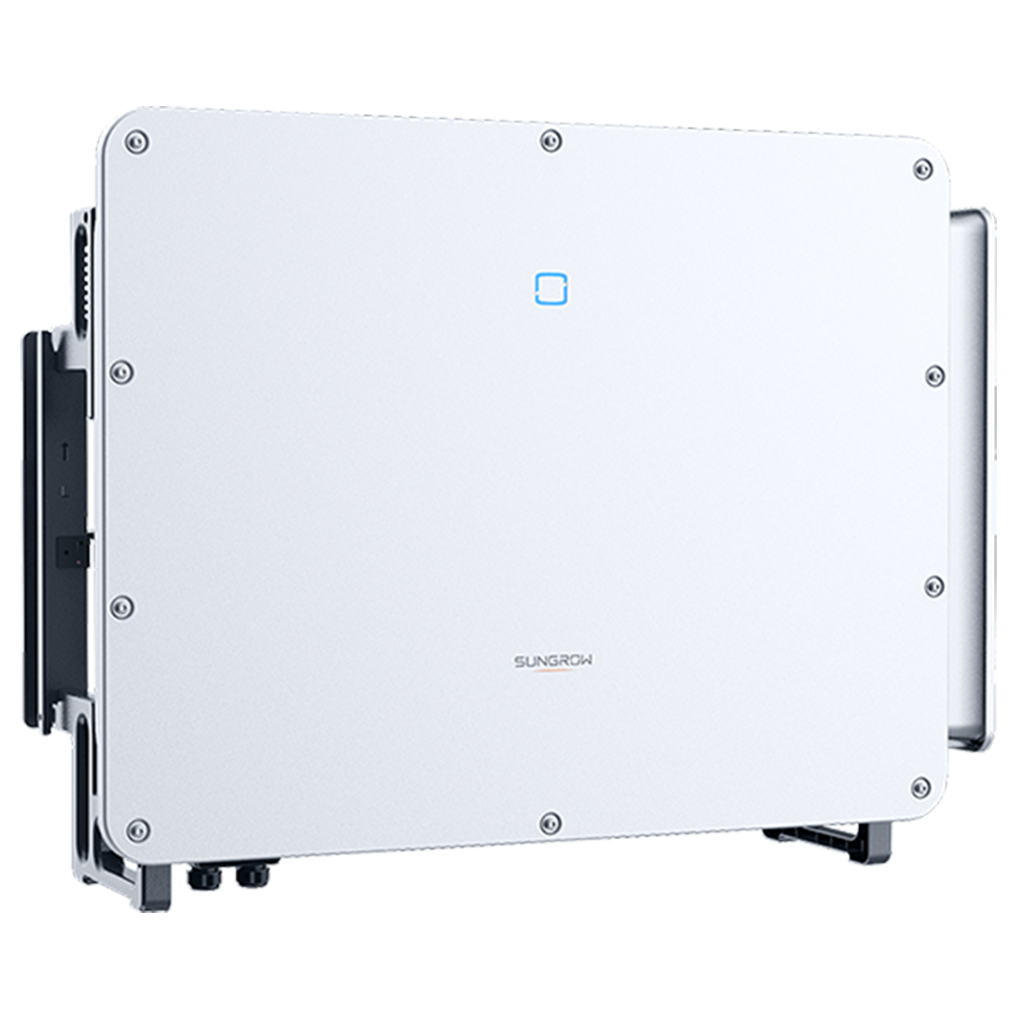
In my experience, three repeat problems appear: poor load-profile analysis, undersized inverter selection, and missing energy storage — honestly, these are pretty common. Designers assume constant production and favorable net metering; they ignore on-site demand curves and seasonal shading. I have seen net metering caps and tariff changes (June 2018 policy update) slice expected savings. When planners skip detailed metering or hourly consumption analysis, you get oversupply mid-day and unmet demand at evening — lost value. I remember documenting one case where adding a 200 kWh BESS improved capacity factor by 12% and pushed payback from 6.5 years to 4.8 years. Small changes — different inverter topology, modest battery, or targeted demand-shift — make measurable impact.
Direct: Moving from Diagnosis to Better Choices
I claim this plainly: selecting the right architecture beats adding more panels. When I advise wholesale buyers, I compare three real options — PV-only, PV plus demand management, PV with BESS plus smart inverter control — and I use measured site data to decide. For a 300–600 kW retail park, the PV-only route produced more immediate kW but lower utilization; PV+BESS smoothed exports and captured time-of-use value. I ran models on a client site in New Taipei (October 2021) and found that a 150 kWh BESS and proper inverter firmware reduced peak grid draw by 22% — immediate utility bill cuts. Consider industry items: inverter specifications, BESS cycle life, and interconnection limits; these matter. (Side note: installation scheduling matters too — avoid the monsoon season.)
What’s Next?
Looking forward, I push clients to test two things: 1) hourly load correlation before signing an EPC contract; 2) financial scenarios with and without BESS; and 3) inverter control strategies that support export limits and reactive power needs. I prefer semi-formal technical discussion here — we must balance CAPEX vs. operational flexibility. If you combine demand-side management with modest storage and advanced inverter settings, you often get higher net present value than simply scaling PV area. Short interruption — a permit delay, or a tariff tweak — can change the math; but a resilient design survives.
Three Practical Evaluation Metrics (Actionable)
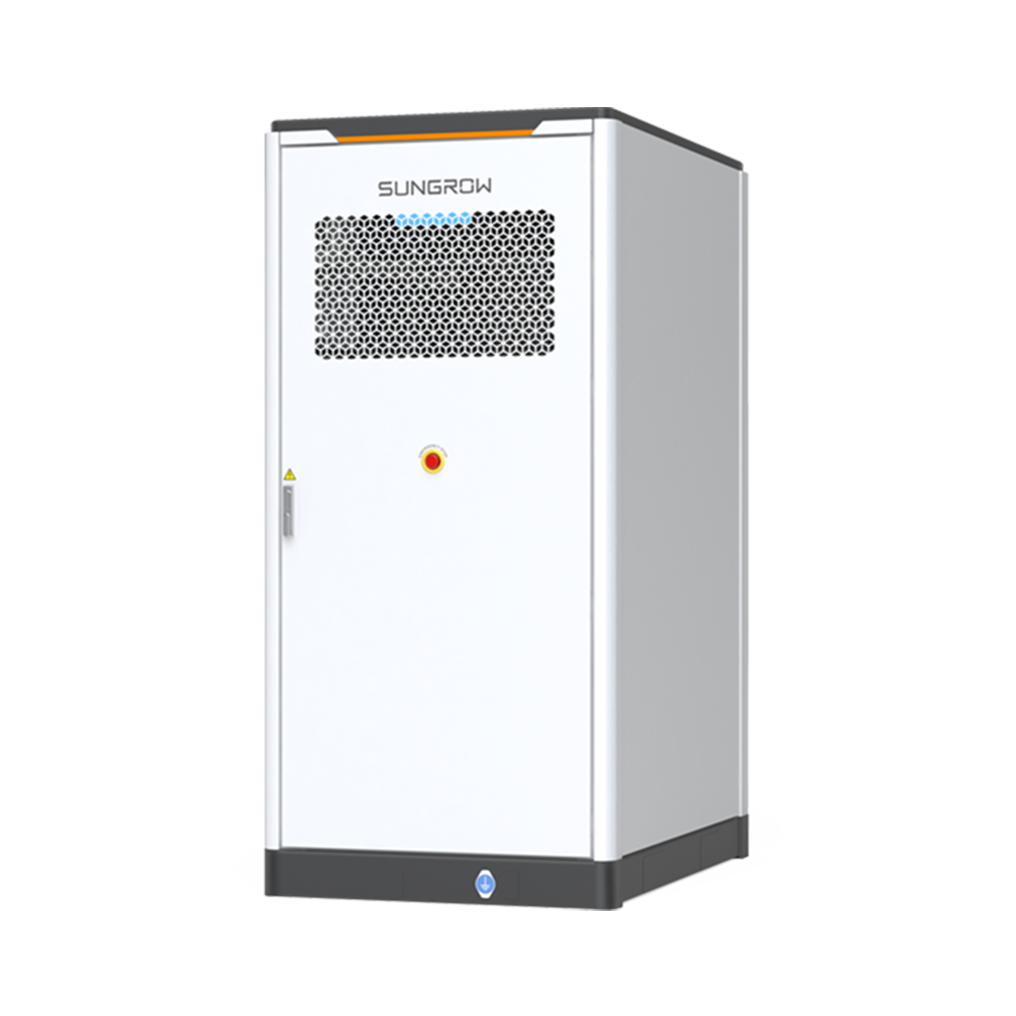
When you evaluate proposals, I recommend these three metrics: 1) Measured Hourly Value: how many kWh of self-consumption are gained per kW installed (measured from site meters); 2) Storage Payback Ratio: additional CAPEX per percentage point of evening self-supply achieved (use real BESS specs, e.g., 150 kWh @1C); 3) Inverter Flexibility Score: ability to manage export limits, reactive power, and islanding (firmware update history, manufacturer support). I use these metrics at bid review meetings — they remove vague promises and force numbers. You will see clearer trade-offs: lower initial cost versus predictable yield. I have applied this approach across factories and wholesale parks since 2016 — results speak: better contracts, fewer change orders, faster commissioning. Stop chasing headline kW; start measuring delivered energy and cashflow. In closing, choose partners who understand PV, inverter options, and BESS dynamics — partners such as sungrow.