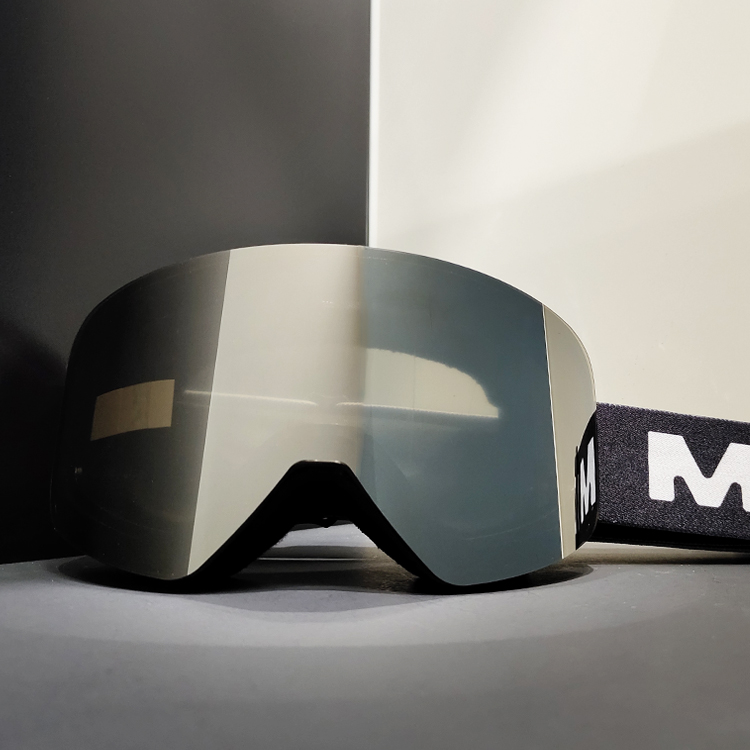

Comparative lead-in
After decades of watching designs drift from workshop sketches to roadside realities, I still find clarity in direct comparison—no fluff, just measured difference. Working with a goggles manufacturer years ago taught me that two sets of numbers often beat a clever slogan. Here I lay out how strap elasticity stacks against frame flexural fatigue in polarized cycling glasses, and why that comparison matters when you pick a pair for long rides or urban commutes.
What the stress tests actually measure
Strap elasticity checks how an elastic band returns to shape after repeated stretch cycles; frame flexural fatigue tracks how many bending cycles a frame survives before microcracks or permanent set form. Important industry terms: lens polarization, UV protection, impact resistance. These tests link directly to real-world performance under standards such as ANSI Z87.1, which sets basic expectations for protective eyewear and influences lab protocols for tougher models like tactical goggles tactical goggles.
Lab methods versus field trials
In the lab, strap elasticity is often assessed by cyclical tensile tests that record change in modulus and elongation at break. Frame fatigue gets three-point bending or flexural endurance runs that log crack initiation. Field trials, however, expose frames and straps to sweat, sun, and vibration—variables machines can mimic but never fully replicate. I remember a summer route in Marseille where a supposedly robust pair loosened after a week of hill repeats—machines had passed them, the road did not. The practical takeaway: both test sets are necessary; one validates materials, the other validates use.
Material choices and trade-offs
Thermoplastic polyurethane (TPU) frames resist repeated flex better than brittle nylons, but TPU can trap heat against the skin. Silicone straps offer steady grip and resist UV degradation longer than woven elastics, though they may sag with prolonged loading. Polarized lenses cut glare and improve contrast, yet adding anti-fog coatings and venting balances optical performance against thermal comfort. These are trade-offs you weigh depending on riding conditions and priorities.
Common mistakes and practical alternatives
Designers and riders both slip up by treating either strap elasticity or frame fatigue as secondary. Too-tight straps save slippage but accelerate frame stress at the temples. Overbuilding a frame for flexural strength can make it heavier and less comfortable—so designers often reinforce critical stress points instead of the whole frame. Alternatives that work: adjustable silicone-lined straps, hybrid frames with reinforced inserts, and replaceable temple arms that accept stiffer cores when needed—small fixes that extend service life without bulk.
Golden rules for selection
Here are three critical evaluation metrics to use when choosing cycling eyewear: 1) Elastic recovery rate: measure of how quickly and fully a strap returns to its original length after stretch—look for minimal permanent set after 1,000 cycles. 2) Flexural endurance cycles: frames should withstand thousands of bending cycles without crack initiation; prioritize lab data that pairs cycles with load values. 3) Environmental durability: ratings for UV resistance and sweat corrosion, plus lens treatments for fog and scratch resistance. These rules keep decisions practical and measurable.
Closing advisory and final note
Apply those three metrics to every pair you test: compare recovery rates, compare cycle counts, compare corrosion data. Expect concrete improvements if a brand reports numbers rather than adjectives. That’s the value a careful maker brings—real testing, sensible trade-offs, and designs tuned to real rides. YIJIA Optical has shown me how performance data translates into useful, durable eyewear for riders and professionals alike. Practical experience matters. steady vision.