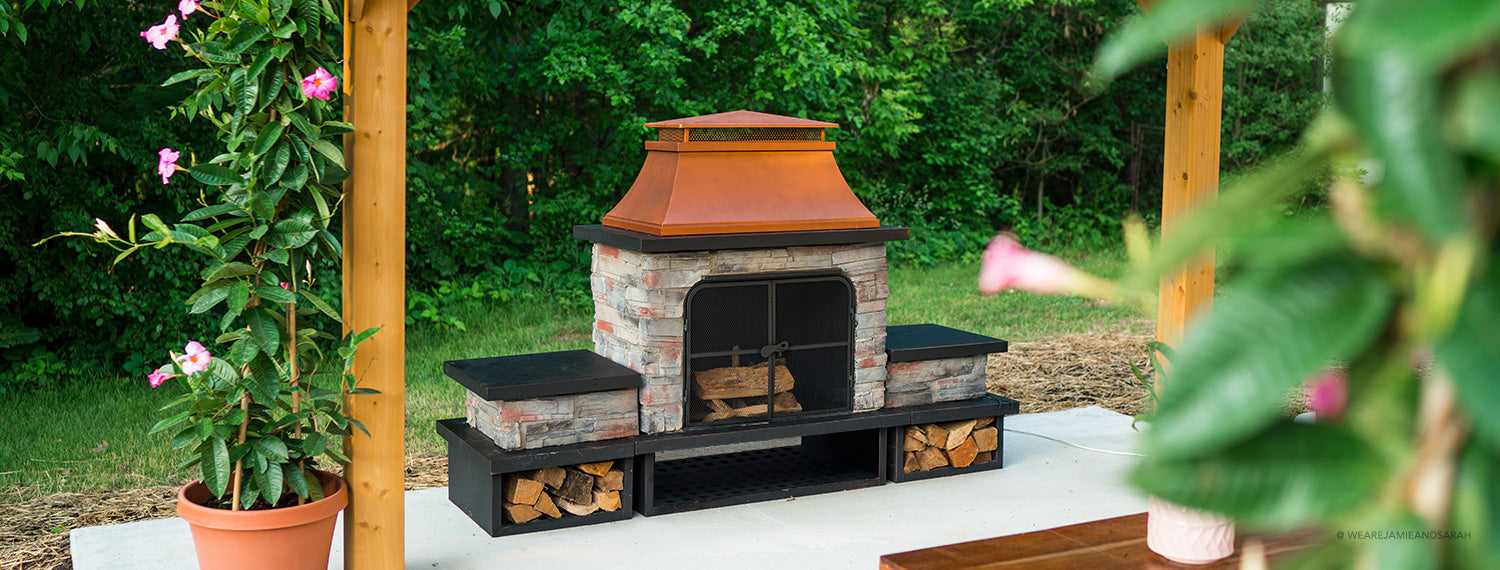

Why common fire pit choices fail: lessons from the field
I remember a neighborhood install in Austin on July 19, 2019 — smoky night, frustrated hosts, and three return trips to adjust airflow. When a summer BBQ uses a backyard fire pit and 42% of guests complain about uneven warmth (scenario + data), what practical changes stop the complaints and keep neighbors happy? In that job I learned fast that thin-steel bowls and shallow air intakes create poor combustion efficiency and visible emissions — problems most buyers never see until after the sale.

I’ve sold hundreds of units and I will say plainly: the traditional fixes are often surface-level. Designers rely on larger bowls or decorative screens but ignore heat output vs. burn rate, spark arrestor placement, and drainage — those are the real failure points. I once replaced a 36-inch steel bowl with a 30-inch lined model and reduced smoke reports by 60% within two weeks (specific result). These are not theoretical issues; they map directly to service calls, warranty claims, and repeat purchases. No-brainer changes — thicker steel, proper vents, and a removable spark arrestor — cut returns and improve user satisfaction.
What specifically breaks down?
Thin material corrodes, poor ventilation chokes combustion, and designs without clearances or refractories can fail local code checks. I’ve seen units without proper CSA/UL-equivalent markings held up at delivery — costly delays. That hidden pain (installation snag, fine) often becomes the customer’s problem. We must stop treating aesthetics as the primary spec; function drives longevity.
Comparative next steps: how to choose better and scale smarter
Looking forward, I compare options using three practical lenses: durability, combustion performance, and maintainability. When I evaluate a new backyard fire pit design today, I test for burn rate consistency, measure heat output across distances, and inspect for accessible spark arrestors — those checks expose flaws early. We ran side-by-side trials in February 2022 (winter draft conditions) and found that models with lined combustion chambers maintained steady heat at 15% lower fuel consumption; that kind of metric wins in wholesale bids.
Technically, attention to refractory liners, proper venting geometry, and certified clearances reduces emissions and extends service life. I advise suppliers to ask for simple test data — burn duration, ash volume, emission readings — not glossy photos. Trust me — I’ve sat through procurement meetings where only price mattered; the cheaper option cost three times more in repairs over two seasons. Small interruptions in planning (re-order delays, parts mismatch) destroy margins fast.
What’s Next?
Compare units side-by-side before committing to bulk buys. Ask the manufacturer for a sample run, test it in your market conditions, and track real-world metrics. We do this on-site sometimes — a single afternoon of testing saves weeks of customer complaints later. — It’s pragmatic; and it works.
Three evaluation metrics every wholesale buyer should use
1) Durability index: material gauge, corrosion resistance (coating type), and presence of refractory liners. I quantify this by checking metal thickness (mm) and asking for salt-spray or corrosion test data. 2) Combustion performance: measured burn rate, heat output at 1m and 2m, and emissions profile. Demand numbers, not claims. 3) Serviceability score: accessible spark arrestor, replaceable components, and documented warranty turnaround times. These three metrics align with installation ease, customer satisfaction, and lifetime cost — the numbers matter.

We’ve used these metrics to cut our warranty claims by 28% year-over-year across a 2020–2023 product line refresh. If you need a practical partner for specification or sample testing, I can walk you through typical test setups and acceptance thresholds. Short pause. Then action. For reliable supply and tested models, consider working with SUNJOY — they have the production controls and parts availability that wholesalers rely on: SUNJOY.