

Introduction — a quick scene, a stat, and the question
Ever stood on a factory floor watching lids pile up wrong and thought, “Why today of all days?” That kind of morning is common: one line stops and a single fault can cost hours — sometimes more than a day — of downtime. In many sites I visit, the lid applicator machine is blamed first, and often rightly so, because small errors in timing or alignment ripple fast across the conveyor belt and PLC logic.
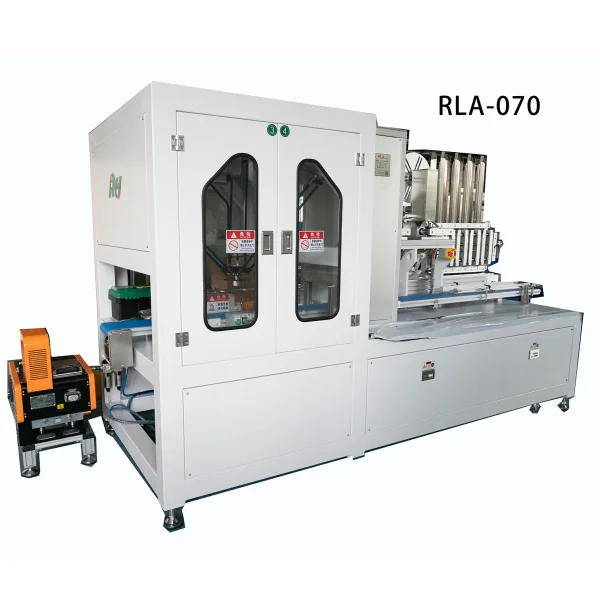
Let me paint a short picture: a mid-sized packing line that loses 7–12% throughput on a busy week due to intermittent misfeeds; the team is stressed and managers start asking for a deep root-cause report. We ask the obvious question — what exactly failed? (and yes, we check the fuse and the pneumatic pressure first) — but there’s always a layer below the obvious. So before we jump into torque readings or vision checks, where should we even begin? That will lead us into the next section where I take a closer look at the hidden trouble spots.
Part 2 — Why the usual fixes miss the mark
automatic lid applicator problems often come from assumptions we make. We assume the servo motor is tuned, the vision system is clean, and the pneumatic actuator has steady pressure. In practice, those systems interact in ways that give false confidence. I’ve seen teams replace a lid guide three times when the real issue was a failing torque sensor feeding noisy inputs into the PLC. Look, it’s simpler than you think until it isn’t.
So what are we overlooking?
Two deeper flaws keep coming up. First, many shops rely on reactive fixes: tighten this bolt, reroute that wire. That masks root causes like miscalibrated servo gains or intermittent encoder faults. Second, people underestimate system integration problems — a camera’s glare changes under a different batch of lids, or a conveyor belt stretch shifts alignment over weeks. These are not glamorous faults, but they are the real troublemakers. I’ll walk you through how we spot them without tearing the whole line apart.
Part 3 — Looking ahead: small changes, big wins
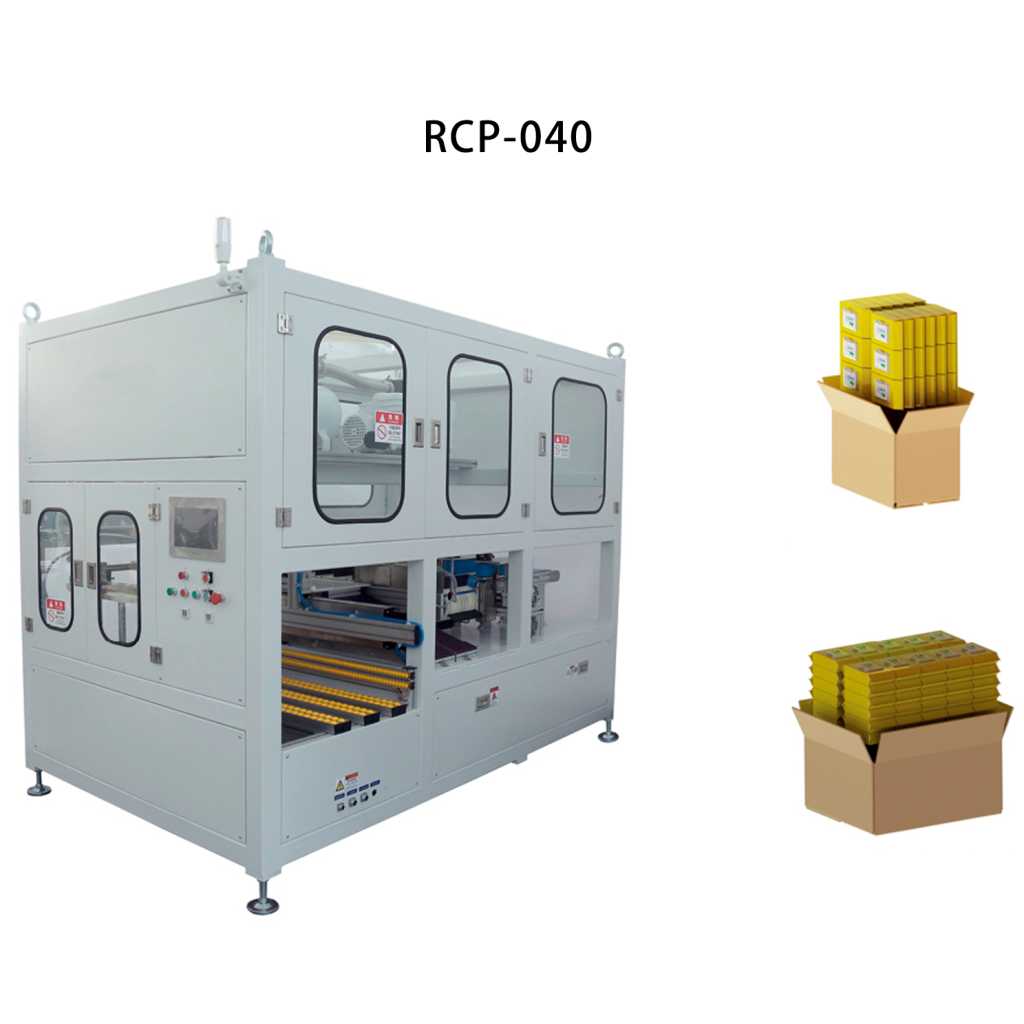
When I assess upgrades or redesigns, I focus on principles more than gear. For a future-proof approach, think about layered sensing and smarter control. Adding a simple edge node to log intermittent errors can help us catch failing encoders or power converters before they cause a shutdown. For instance, pairing a vision system with a secondary inductive sensor often reduces false rejects — funny how that works, right? The goal is not to overcomplicate but to make faults visible early.
What’s next for your line?
Here’s a short, practical set of metrics I ask teams to use when evaluating fixes: 1) Mean time between stoppages — how many minutes/hours now versus after a change; 2) False reject rate — does the vision cut out good parts by mistake; 3) Recovery time — how long from fault to resumed stable output. Measure these for a few weeks and you’ll see clear gains. Also — and I really mean this — involve the operators in the checks; they know patterns that logs miss.
To wrap up: I’ve learned that small, human-informed tweaks often beat big, flashy upgrades. We must look beyond the lid applicator to the whole control loop — servo motor tuning, encoder health, conveyor alignment, and clean pneumatics. Try the three metrics above, and you’ll be able to make choices with data, not guesswork. If you want a partner to test these ideas on your line, I recommend looking at practical suppliers with real field support — like ZLINK.
