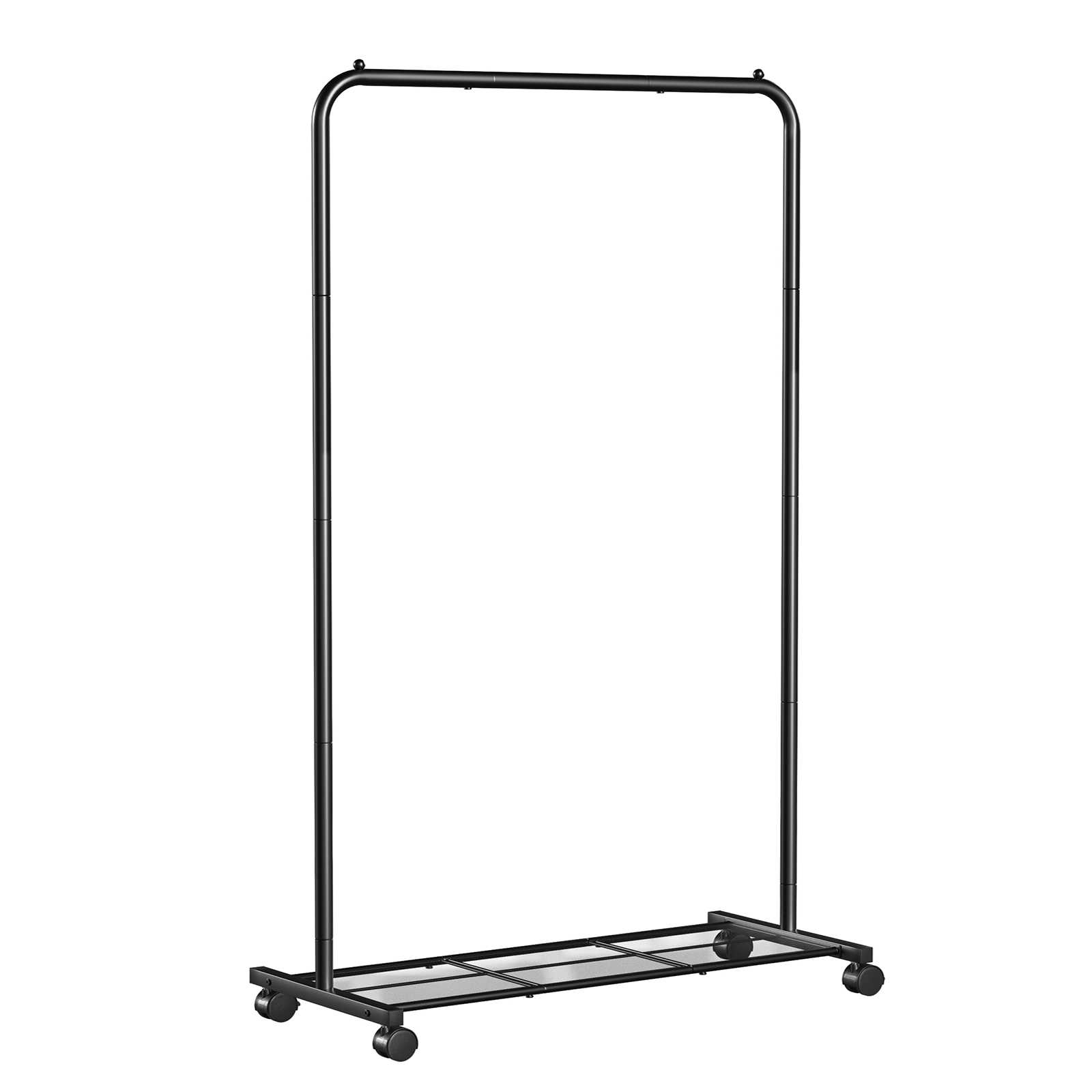

Introduction: Defining the decision (and its quiet costs)
Quality is a system, not a slogan. Your choice of clothes rack manufacturer shapes every day of store operations, from fit-out to returns. When assessing clothes rack manufacturers, the core question is not only price but how the frame, welds, and finish behave under real loads. Picture a chain expanding from three to fifteen sites; within six months, fixtures bend, casters wobble, and backroom rails seize. Field data often shows double-digit shrink in usable capacity when tubes lack consistent gauge, while return calls rise as fasteners loosen under torque. Why do like-for-like quotes perform so differently?
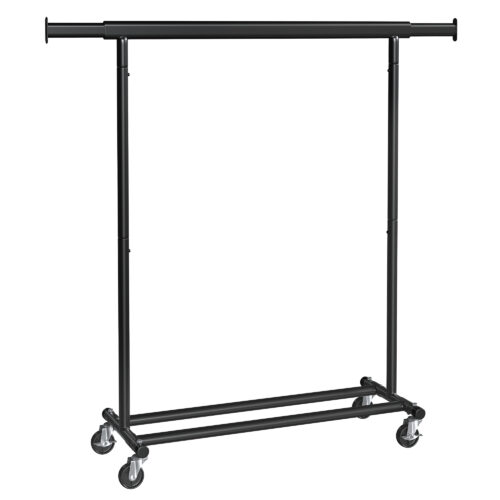
Here’s the technical core. A rack is a load path: tube, joint, brace, base. The wrong alloy or thin cold-rolled steel changes yield strength; poor weld penetration weakens joints; thin powder coating sacrifices corrosion resistance. Add uneven load distribution and small defects turn into failures. It sounds fussy—because it is. Yet, once you know what to compare, the picture clears (and costs stop leaking). Look, it’s simpler than you think: test for load-bearing limits, inspect weld beads, and demand consistent tolerances. With a few disciplined checks, the risk drops, the lifespan rises, and your fit-out team stops firefighting. Let’s dig into where the usual choices go astray.
The quiet flaws behind familiar solutions
Where do traditional choices fall short?
Most buyers compare only width, height, and price. That’s the first trap. Traditional specs hide key stress points. Thin wall thickness reduces tensile strength at the uprights. Minimal cross-bracing lets torsion creep in during moves. Cheap casters with low load ratings fail first, and then the whole frame gets blamed—funny how that works, right? The second trap is finish quality. Powder coating that’s too thin or poorly cured chips, then moisture finds the seam; corrosion blooms near welds. Over time, fastener loosening from vibration adds play at the joints, and a small sway becomes a lean.
There’s more. Tolerance stack-up across tubes, collars, and sleeves can cause racking even when single parts pass QC. If makers skip finite element analysis, they miss hotspots at hanger bars and base junctions. Without a documented torque spec during assembly, on-site teams over-tighten, crushing inserts or threads. And when casters lack sealed bearings, debris locks wheels during peak moves. The pain points are discreet but common: uneven load-bearing, weld fatigue, and coating failure. Direct fix? Compare gauge consistency, weld penetration, and finish thickness as standard inputs, not extras. Insist on salt-spray test results and a simple field checklist for assembly torque and caster load rating. You’ll prevent most slow-burn failures before they start— and yes, it shows.
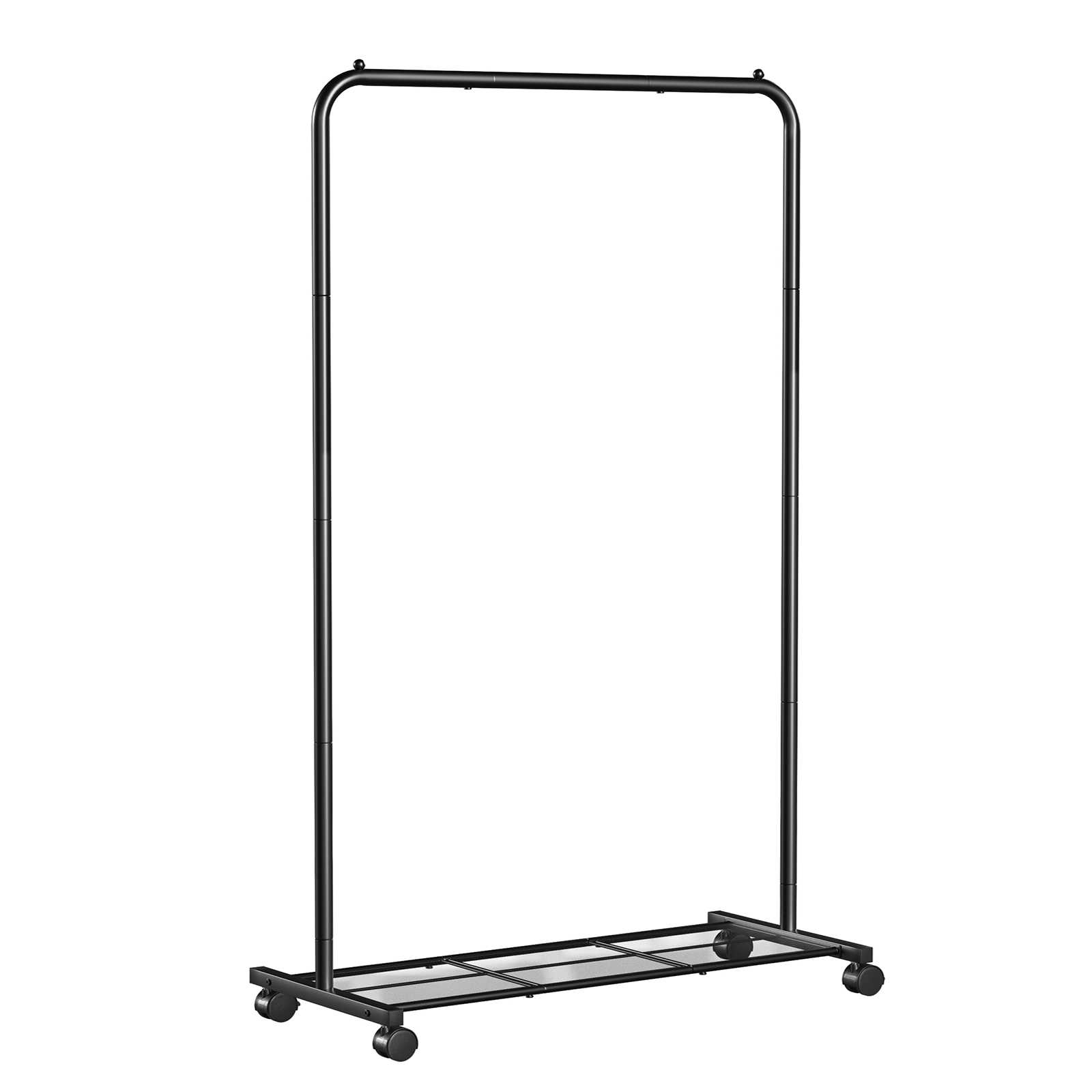
Forward-looking comparisons: what modern makers do differently
What’s Next
Now, compare methods, not just models. New lines apply digital twin simulations to map stress before a prototype exists. Robotic welding improves bead consistency at high-stress nodes, while smart jigs reduce human variance. Tool-less locking pins speed assembly and protect threads; modular chassis designs let you swap crossbars or bases without scrapping the frame. These are not gimmicks. They change the failure curve. A credible maker will show FEA heat maps, ISO 9227 salt-spray hours for coatings, and caster endurance cycles. If you buy a wholesale garment rack with documented test data, your real capacity often exceeds the label—safer for peak season pushes. Semi-formal note, but vital: stable load distribution reduces micro-movements, which protects weld toes and prolongs finish integrity.
Case in point. A retailer moved from generic tube racks to a spec with thicker collars, triangulated bracing, and sealed-bearing casters. Assembly time fell by 18%, sway under 60 kg loads dropped by half, and damage in transit approached zero. Not magic—better engineering. So, three metrics to guide every purchase: 1) Mechanical proof: yield strength, weld penetration checks, and static/dynamic load tests with reports. 2) Finish durability: powder coating thickness, cure profile, and salt-spray hours at the welds. 3) Lifecycle fit: replaceable parts, caster load ratings, and clear torque specs for onsite teams. Hold vendors to those three, and the rest becomes easy. For a steady benchmark and further technical detail, see SONGMICS HOME B2B.