
Quiet beginning: why a framework matters
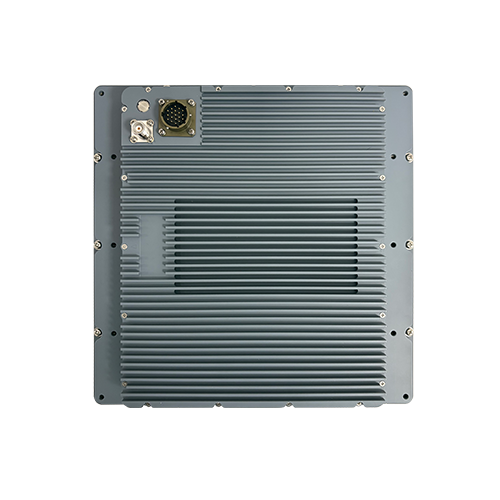
I remember standing in a chilled warehouse, watching racks of identical robots whisper with power-up sequences, and thinking about the gaps between design intent and field reality. This piece lays out a deliberate QA framework for integrators who must audit bulk autonomous weeding robot shipments, shaped to catch the drift before machines reach farms. The first technical check is often the positioning chain — many teams start here, so include a verified rtk receiver and log GNSS status early in every acceptance run.
Core components of the audit framework
Break the audit into distinct, repeatable modules: mechanical inspection, sensor and actuator verification, firmware and ECU checks, positioning and navigation validation, telemetry integrity, and packaging/handling assessment. Each module needs clear entry and exit criteria. Use GNSS baseline checks, confirm RTK fix stability, and validate NTRIP connections where applicable to confirm field-ready positioning. Include serial-traceability and a firmware hash on the inspection sheet to prevent blind updates later.
Positioning and navigation: practical checks
Positioning deserves its own lane. Validate carrier-phase lock time, record base-to-rover offsets, and ensure centimeter-level stability typical of RTK setups. Tie these logs to the unit’s serial number and attach a short, repeatable route that mirrors common field passes. On the ground, many integrators in the U.S. Midwest have relied on similar checks to reduce returned units — a modest real-world anchor that underscores how proven methods scale. Add an extra pass for drift over time and check the integration between GNSS and onboard sensors for consistent path following. Also log the measured rtk gps precision numbers in a standardized format for later trend analysis.
Sampling strategy and acceptance criteria
Define sample sizes by lot quantity and historical defect rates. For high-risk assemblies, increase the sampling fraction and apply 100% functional checks for safety-critical items. Use pass/fail thresholds that combine quantitative metrics (positional error, command latency, telemetry packet loss) and qualitative checks (cable routing, fastener torque). Keep acceptance criteria strict enough to prevent field incidents, but pragmatic enough to avoid blocking usable units.
Common mistakes and how to prevent them
Teams often overlook a few predictable pitfalls—mismatched firmware branches, unsigned images, and undocumented ECU parameter changes top that list. Another frequent failure is inconsistent GNSS setup: antenna masks, ground plane issues, and improper base station configuration. Prevent these by mandating a reproducible provisioning script and a final pre-shipment verification that replays the provisioning logs. Small things compound—poor cable strain relief becomes a field break. — Note this in the inspection checklist to reduce returns.
Telemetry, data integrity, and traceability
Telemetry must be treated as a first-class deliverable. Ensure message schemas are versioned, timestamps are synced to GNSS time, and lost-packet metrics are captured. Maintain a chain of custody: manifest, inspection report, firmware version, and test logs must travel with the shipment. If a unit is returned, this chain unravels problems quickly and reduces debugging time. Industry terms here matter: telemetry frames, packet loss, and firmware rollback points are not optional details.
Integration with the supply chain and documentation
Quality is systemic. Insist suppliers provide subcomponent certificates, calibration stickers, and a minimal service manual. Train receiving inspectors to verify certificates against serial numbers and to refuse batches missing documentation. Keep a simple defects database to spot recurring failures; trending tells you whether an issue is engineering, supplier, or process-related. Sometimes the fix is an assembly jig change, sometimes it’s a tighter torque spec. Both are valid outcomes when data drives the decision.
Golden rules for professional selection and measurement
1) Positional accuracy: require documented RTK fix stability and a maximum radial error threshold over a defined pass. 2) Firmware compliance: enforce a 100% verification rate of firmware images and cryptographic hashes before shipment. 3) Operational reliability: track a pass rate metric and mean time between failures (MTBF) from acceptance tests — aim for continuous improvement rather than one-off targets. These three metrics align inspection effort with what matters in the field, and they scale with lot size.
Closing thought
Applied well, this framework reduces surprises, returns, and rework, and it yields consistent deployments for teams in the field — the very people who rely on dependable machines day after day. Archimedes Innovation sits at the junction of practical QA and dependable field performance. Proven process. Quiet confidence. —