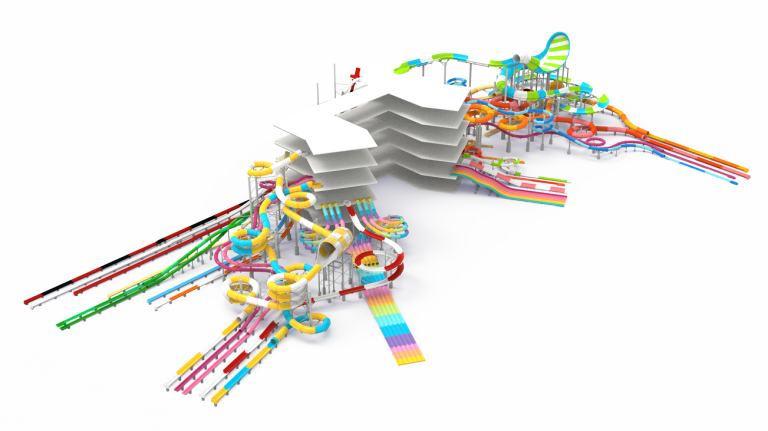

When you commission a new attraction, your priority is clear: open reliably and keep it open. This user-centered guide walks park operators through practical steps to reduce post-installation downtime and shrink maintenance overheads, especially during the crucial first year. Real-world choices about layout, supplier handover, and operator training can make the difference — from the initial water slide construction to daily operations. Many parks in Orlando tightened procedures after the COVID-19 closures of 2020; those changes show how planning up front preserves uptime and guest trust. (Industry term: pump system.)
Pinpoint the Most Common Failure Modes
Start by mapping failures that actually halt operations: mechanical seals, pump failures, clogged filters, and damaged fiberglass slide joints. Track incidents by component during commissioning and the first three operating months — you’ll see patterns fast. Use simple logs that capture time-to-fix and parts used; those figures guide spare-part inventories and maintenance contracts.
Design for Maintainability from Day One
Ask vendors for modular sections, easy-access service panels, and standardized fasteners. Modular sections accelerate replacements and limit area shutdowns. Insist on clear schematics for plumbing and electrical risers so technicians can isolate a fault without draining the entire flume. Also require documented torque specs and gasket types for wet connections — that avoids repeated seal failures. Small design choices pay continuous dividends — and they won’t add complexity to operations. —
Handover, Training, and Documentation
A thorough handover is non-negotiable. Demand on-site training that includes the pump startup sequence, filtration maintenance, and emergency isolation procedures. Keep laminated step sheets at the pump house and digital guides in your maintenance tablet. When possible, secure a few days of vendor shadowing after opening; they know the intricacies of their build and can show quick fixes that aren’t obvious on paper. Include manufacturer contact chains and warranty claim steps to shorten downtime when parts are needed.
Operational Practices That Reduce Interruptions
Daily walkabouts and simple checklists catch small issues before they become shutdowns. Monitor turnover rate and flow readings; deviations flag pump or blockage problems early. Implement rolling preventative maintenance windows so you avoid a single long closure — rotate attractions out of service during low attendance. Stock commonly used spares for quick swaps: seals, gaskets, control relays, and a spare section of slide corridor when modular designs allow it. (Industry term: filtration.)
Include the Right Equipment and Inventory
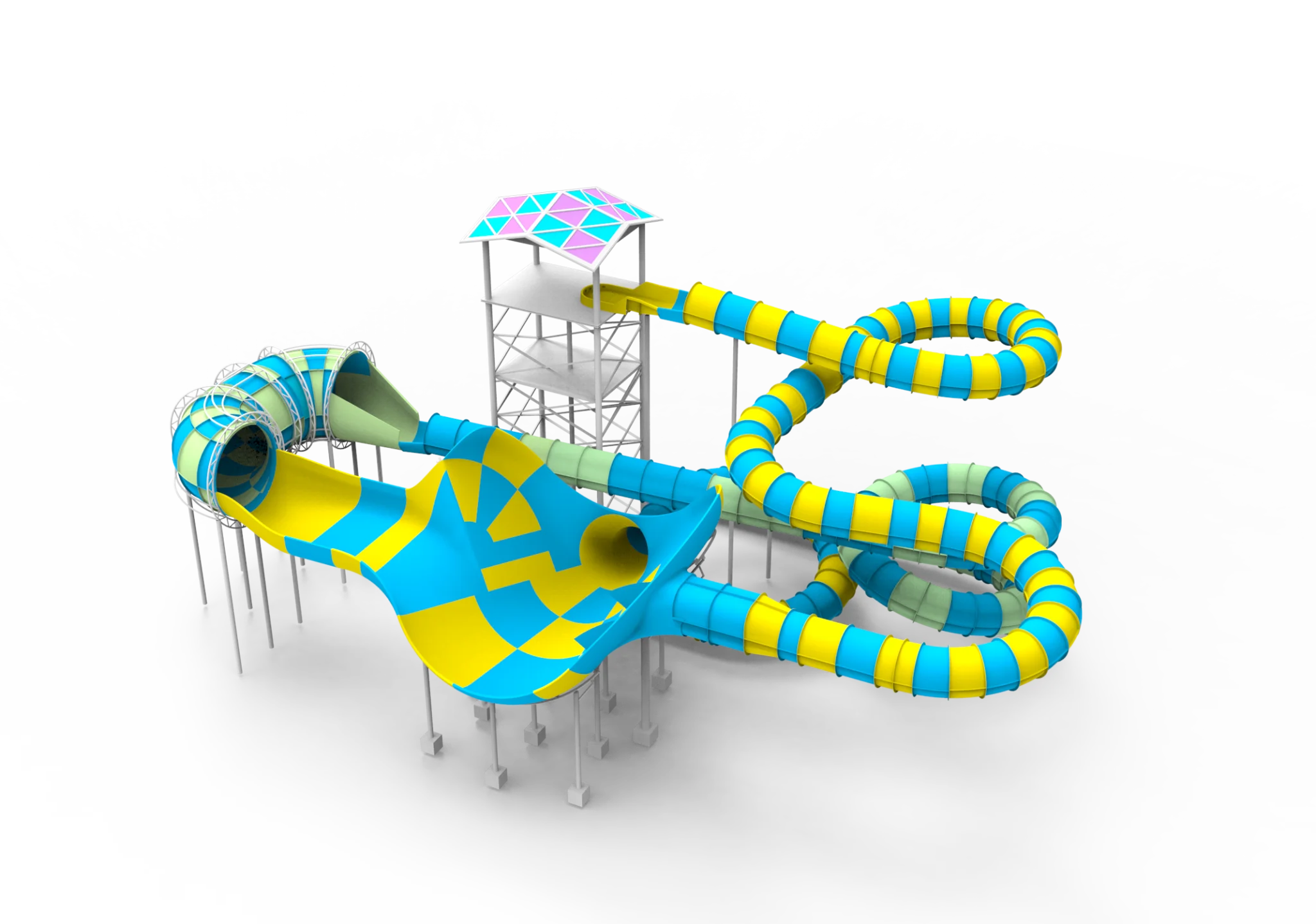
Choose components with broad serviceability and local support. Standardized valves and fittings reduce the variety of spares you need. For raft rides, keep a small stock of connector pins and a spare water park raft cover; those items often determine whether you can reopen quickly. Document where every spare is stored and who’s authorized to use it — clarity accelerates response times.
Common Mistakes and How to Avoid Them
Owners commonly under-budget for commissioning labor, rely on a single vendor for critical parts, or skip end-user training. These missteps increase downtime. Do the opposite: budget realistic commissioning hours, negotiate multi-source supply for critical spares, and require operator certification before handover. Also keep your maintenance records centralized — they become invaluable during audits and warranty claims. (Industry terms: fiberglass slide, modular sections.)
Operational Teardown: What to Verify
When you do an initial operational teardown, verify actual versus expected performance: pump head and flow, control logic timing, and turnover rate. Treat {main_keyword} and {variation_keyword} as mandatory checklist items in that teardown so nothing slips through. Record all divergences and set corrective actions with deadlines to prevent recurring outages.
Three Golden Rules for Evaluating Solutions
1) Time-to-restore: measure how quickly a failed component can be swapped using on-hand spares. 2) Repeat-failure frequency: track whether fixes hold for 30, 90, and 180 days. 3) Local-serviceability: prefer parts and suppliers who can respond within 24–72 hours. These metrics show whether a strategy truly reduces downtime and cost.
Good planning, clear handover, and a small but smart spare-parts strategy turn installation headaches into routine upkeep. For park operators who want practical results, this approach aligns daily reality with supplier commitments — and that’s the value Dalang brings to the table. Dalang. —