

Introduction
Have we really learned from the smog-filled workshops of a century ago, or do we keep repeating the same mistakes? In the 19th century, factories changed the skyline and, with them, the quality of the air people breathed; today, fume collector manufacturers shoulder a similar, if more technical, responsibility. I’ll sketch a scenario: a midsize metal shop with outdated extraction arms, rising particulate counts, and mounting compliance fines (sound familiar?). Recent field surveys show localized particulate spikes of up to 85% above recommended limits in poorly ventilated bays — data that hits hard when you consider worker health and production uptime. So what practical shifts must manufacturers and facility managers pursue now to return control of the workspace to the people who depend on it? Let’s move from the past to the exact problems at hand, and then to what to do next.

Hidden Flaws in Traditional Industrial Air Treatment
When I examine an industrial air purifier system, I don’t start with the glossy brochure. I start with the ductwork: undersized runs, turbulent junctions, and poorly matched fan arrays. These are design sins that quietly erode performance. Look, it’s simpler than you think — a high-capacity blower won’t fix a poorly routed system. The most common problems I see are: inefficient HEPA filters installed without pre-separation, saturated activated carbon beds that are never logged, and control systems lacking variable frequency drive (VFD) tuning. Together these cause high pressure drops, frequent filter blow-by, and ballooning energy costs. In two words: predictable failure.
Technically speaking, legacy solutions assume steady-state conditions. They are sized for an average load, not the bursts that welding cells or sanding lines produce. That mismatch reveals itself as overload, filter bypass, and rapid fouling — and those are the moments when a supposedly top-tier fume collector becomes a liability. I’ve monitored systems that looked fine on paper but delivered poor capture efficiency in practice because exhaust capture velocities fell below the needed threshold during peak operations. Add in outdated power converters and minimal sensor feedback, and you’ve got an opaque system nobody really trusts. The remedy starts with honest diagnostics and a willingness to replace assumptions with measured data.
Why do these hidden flaws persist?
Because they’re invisible until something fails — and because retrofits cost money. I’ve seen managers delay upgrades for years. Meanwhile, the shop breathes the consequences.
New Technology Principles and Practical Metrics
What’s next? I favor a principle-based approach: sensing, modulation, and maintainability. First, embed better sensing (real-time particulate sensors, localized VOC detectors) so the industrial air purifier system can respond to actual events instead of a schedule. Second, use modulation — VFDs on fan arrays, smart dampers — to match flow to demand. Third, design for maintainability: easy access to filter cartridges, clear filter-life logs, and modular pre-separators. These principles reduce energy use and raise average capture efficiency. They also allow you to spot a failing HEPA element before it becomes a problem. Oh, and use edge computing nodes for local control loops when latency matters — small step, big payback.
In practice, apply comparative checks. Short list vendors not by brand promises but by three clearly measurable criteria: capture efficiency under peak load, lifecycle energy cost (including fans and power converters), and mean time to service for filter changes. I recommend running a two-week baseline using portable sensors, then compare candidate systems under the same transient events. — funny how that works, right? This lets you separate marketing from reality and choose solutions that perform where it counts: on the shop floor.
What to measure next?
Measure it all: instantaneous particulate size distribution, pressure drop across stages, and VOC removal rates. Those numbers tell you the real story.
Conclusion — Practical Steps and Evaluation Metrics
I’ll be blunt. Innovation isn’t about shiny casings or buzzwords. It’s about replacing guesswork with data and designs that accept real-world variability. Here are three evaluation metrics I use and recommend: 1) Peak capture efficiency (%) during simulated job cycles; 2) Total cost of ownership (energy + consumables) measured over a year; 3) Serviceability score — time and tools required for routine maintenance. Use them as a checklist. If a supplier can’t provide test data for those metrics, you should be wary. I’ve coached teams through these assessments; they’re practical, and they lead to measurable improvements in air quality and operational uptime.
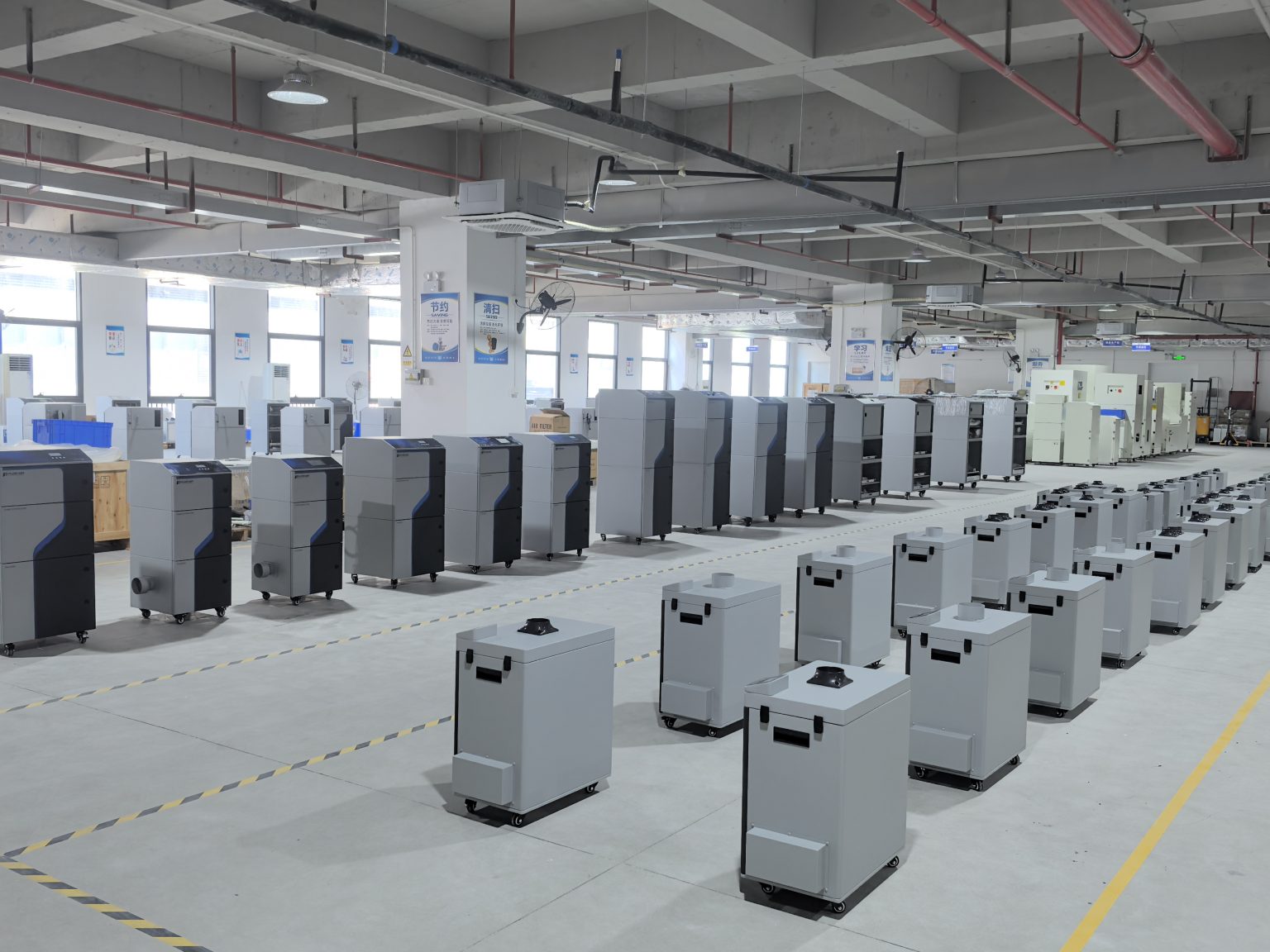
In closing, we owe the people in our shops air they can trust. I believe the right mix of sensing, modulation, and honest metrics will get us there. Consider these steps, run the tests, and pick solutions that prove themselves under pressure. For more information or real-world examples, I recommend reviewing suppliers who publish transparent test results and service data — including teams like PURE-AIR, who focus on verifiable outcomes rather than slogans.
