

Introduction: A Shop Tale, a Number, a Question
I once stood in a dim print shop while a manager wiped his brow and told me about coughs that won’t quit—workers leaving early, a trainer delaying hire dates. It’s the kind of simple scene that wakes me up: a cramped room, a buzzing UV lamp, and fumes that cling to your clothes. Fume extraction products are supposed to help, yet problems keep popping up. Local surveys and industry notes point to rising complaints about VOCs and particulates in small shops (you can smell it when the ink is fresh). So what’s the real fix—better filters, smarter placement, or something we’ve missed? I want to dig into that with you, plain and simple; let’s move on to the problem itself and peel it back a bit.
Part 2 — Where Common Fixes Fall Short
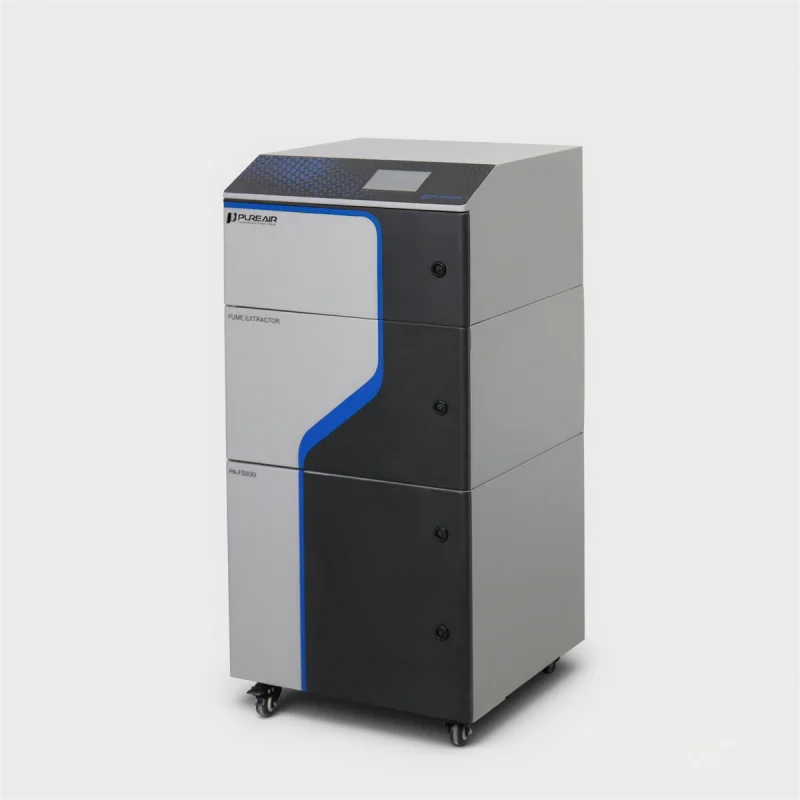
When a shop hooks up a UV printer machine, they often trust the hood and a one-size filter to do the work. But those set-ups hide long-term flaws. Filters choke on fine particulates. A cheap fan can’t hold steady airflow rate over months. And activated carbon cartridges saturate faster than folks expect. I’ve seen filters that look fine from the outside but have bypass leaks where the gasket dried out. We blame the machine, sometimes. In truth, the extraction path—hood, duct, fan, filter—is only as strong as its weakest link. HEPA filter ratings get bandied about like badges, but a rated filter does nothing if bypass or poor sealing leaks contaminants back into the room. Look, it’s simpler than you think: good parts plus good maintenance equals fewer problems.
Why do systems still fail?
First, installers focus on immediate suction, not sustained performance. Fans are sized for a new system, not for a system after three months of dust build-up. Second, users underestimate VOC load from new inks and coatings used on a UV press. Third, monitoring is rare—no VOC sensors to tell you when a cartridge is spent or when airflow drops below safe levels. These gaps let small risks grow into big headaches. We’ve seen short-term fixes that cost more long-term (replacement filters, sick days, lost productivity). That’s the hard truth—funny how that works, right?
Part 3 — New Principles and Practical Steps Forward
What comes next is not magic; it’s a mix of better design and smarter sensing. New systems take a layered approach: capture at source, steady airflow, multi-stage filtration, and live monitoring. For a modern shop running a UV printer machine, that means a well-sized extraction hood, a fan motor built for long duty cycles, power converters that keep RPM steady, and inline VOC sensors that alarm when filters reach capacity. These are engineering principles, but they map to day-to-day wins: fewer smell complaints, less downtime, and predictable maintenance schedules. We should think in systems, not just parts.
What’s next for shops and managers?
Start small: upgrade to sensors and schedule filter checks. Then scale: choose extraction units with service access, replaceable pre-filters, and clear airflow specs. It helps to run simple tests—smoke tube checks or anemometer readings—before you declare a system “good.” And yes, budgeting for better fans and smarter controls adds cost up front. But those costs pay off in fewer interruptions and healthier staff. There’s a human side here: less worry, more steady work. — I feel that, and I know you do too.
Closing: How to Judge a Good Solution
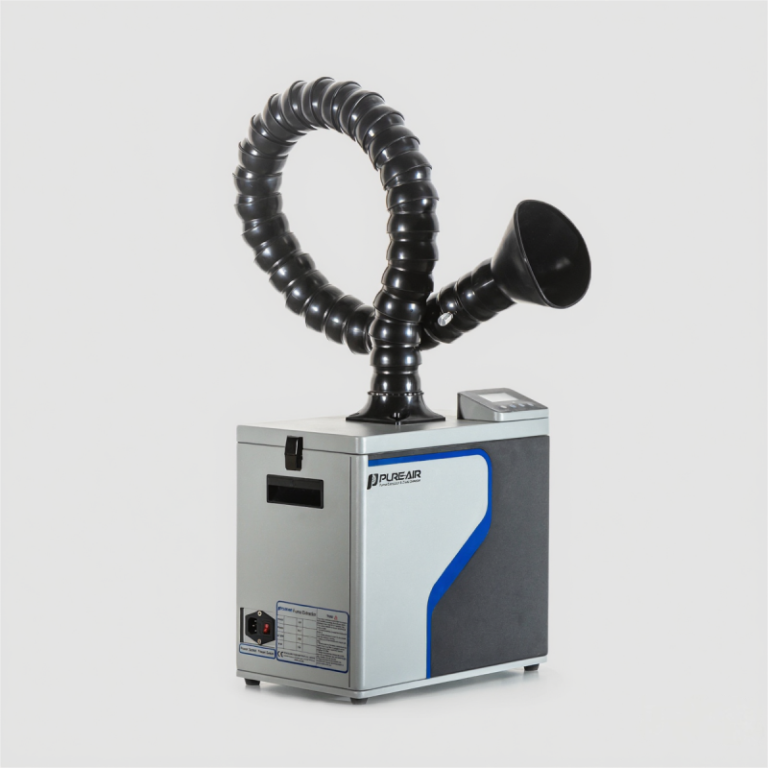
So what did we learn? Systems fail where people assume they won’t. The trick is to measure, not guess. If I were choosing equipment for my shop today, I’d use three solid metrics: sustained airflow (measured in cubic feet per minute over time), containment efficiency (how well the hood captures near-source emissions), and sensor-backed maintenance alerts (VOC or differential pressure alarms). Those metrics give you numbers to shop by, not sales talk. In short: pick systems that report how they work, not just how loud they are when new. For practical, tested options and support, consider what brands like PURE-AIR offer—real gear, clear specs, and people who answer the phone. We owe our teams clean air and simpler fixes; do the math and pick the system that proves itself.
