

Introduction
I once tuned a guitar while watching a maintenance crew swap bolts on a rig at dusk — the rhythm of their wrenches matched the beat in my head. In that quiet moment I noticed non sparking wrenches stacked like instruments, each one chosen for its role; industry data says roughly 35% of tool-related ignition events are linked to wrong materials or worn tools. So I asked myself: which wrench choices actually keep sparks from starting trouble in real work? (I still hum that tune.) This piece walks that thought into daylight and asks the practical questions technicians need answered next.
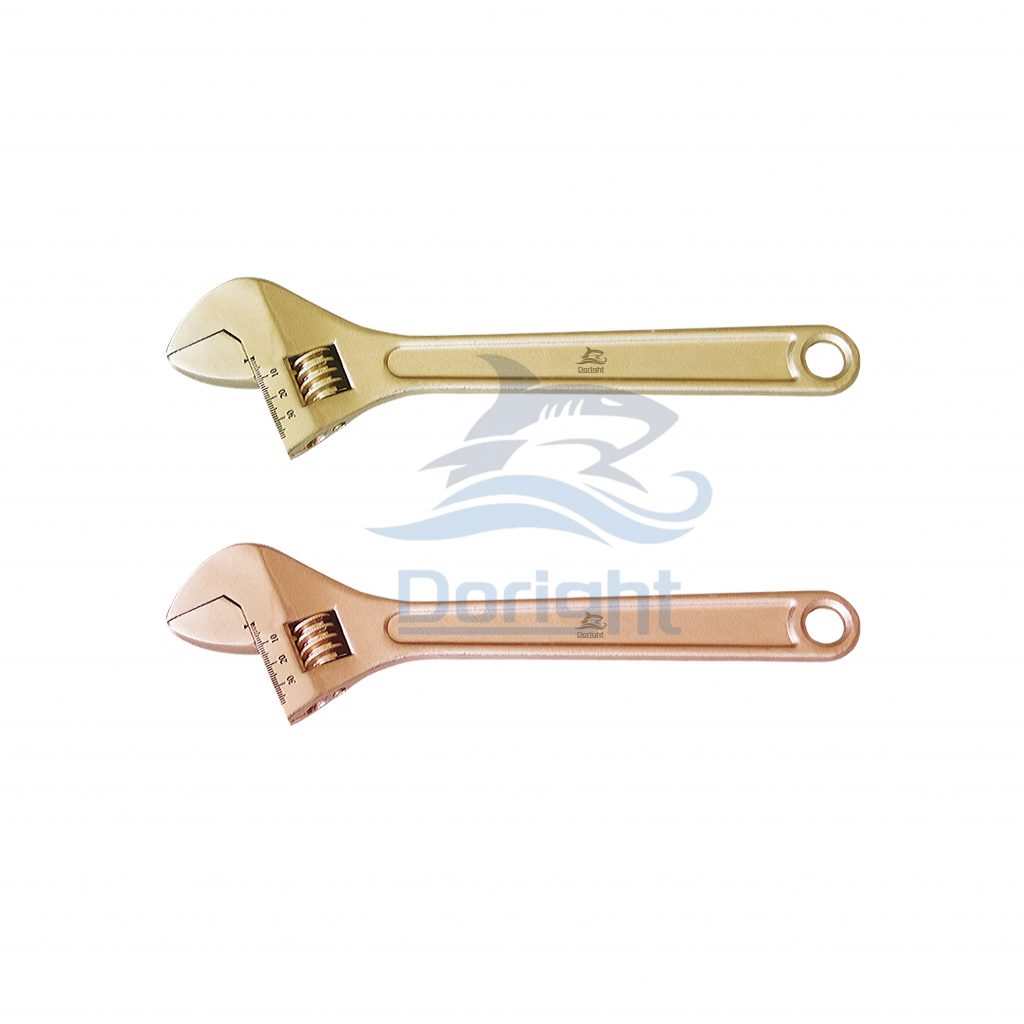
I write from the field and from the bench. I care about feel and safety in equal parts. Below I move from what I saw to what fails — then forward into what might fix it. Let’s peel that back, step by step.
Why Many Traditional Fixes Miss the Mark
I often reach for the non sparking spanner when I need a simple, safe turn. Yet the tool alone does not solve everything. Too many shops treat non-ferrous alloys like a magic wand. They assume brass, bronze, or beryllium copper will always prevent ignition and skip checks on wear, contamination, or certification. In practice, a worn edge or metal swap under a greasy film turns a safe tool into a risk. Look, it’s simpler than you think: material matters, but maintenance and context matter more.

Here are the common technical failures I’ve seen up close. First, material degradation — non-ferrous alloys wear differently under vibration and salt spray, and that alters contact behavior. Second, misalignment with torque specs: under-torqued fasteners slip and create friction; over-torqued joints can shear and throw particles. Third, gaps in certification — tools without ATEX certification or clear hazardous area ratings get used in Ex-rated environments anyway. Fourth, contamination — metal fragments, grit, or carbon films can negate spark suppression benefits. These are not hypothetical; I’ve watched crews re-use a tool until the profile changed, then wonder why a hot spot appeared. That tells me the old “buy-and-forget” approach is fundamentally flawed.
So what’s the core problem?
The core problem is systemic: choices are driven by cost or habit rather than a systems view. People focus on tool composition and ignore operational context — hazardous area zones, power converters nearby, and task cadence. Add instrumentation like torque trackers and surface inspections into the workflow and you catch most failures before they bite. I’ve run checklists and they work — simple steps, big payoff.
New Principles and Practical Paths Forward
Moving ahead, I favor two directions: smarter materials and smarter workflows. New composite blends and advanced surface coatings reduce abrasion and keep contact temperatures lower. Combine that with design changes — rounded profiles, controlled torque windows, visible wear indicators — and you get tools that last longer and fail safer. Also, integrating modest electronics (not to make a wrench into a gadget, but to record torque events — think edge computing nodes in a simple box) gives teams data they can act on. — funny how that works, right?
When I test a future-ready tool I look for a few clear signs. Does the tool keep a clean contact surface after heavy use? Does it come with ATEX or IECEx documentation relevant to the intended hazardous area zone? How easily can a worn head be swapped or reconditioned? These practical checks separate claims from outcomes. In those tests, the non spark spanner variants with clear torque guides and replaceable heads consistently outperformed generic sets. I say this based on repeated trials, not buzzwords.
What’s Next?
We should push for tools that carry both proof and practicality. Manufacturers need to pair non-ferrous alloys with coatings that help spark suppression, and teams must adopt maintenance logs and simple torque-tracking. I admit I’m optimistic — small changes in design and process deliver big safety wins.
Three Simple Metrics I Use When Choosing a Non-Sparking Tool
If you take one thing from my experience, let it be this checklist. I use three clear metrics every time I evaluate a non-sparking wrench or spanner.
1) Certification and Ratings — Is there ATEX or IECEx evidence for the exact model and intended hazardous area zone? No vague claims. Solid paperwork beats marketing every time.
2) Material and Serviceability — Does the tool use appropriate non-ferrous alloys and offer replaceable heads or recoating options? Durability matters: if the contact geometry changes, you lose safety.
3) Operational Fit — Are torque specs clear? Is there a simple way to record use or failures (even a manual log)? Does the tool match the workflow around power converters or confined spaces? Practical fit ensures tools do their job when it counts.
I prefer tools that answer these questions plainly. They save me time and nerves — and prevent a small spark from becoming a big story.
In the end, I’ve learned to trust tools that come with clear proof and a plan for upkeep. I also learned to listen — to crews, to wear patterns, to the quiet hum of a safe site. If you want reliable non-sparking tools that stand up to real work, start with these checks and keep the conversation alive. For practical options and catalog details, check out Doright.
