
Problem: predictable chaos on open-air stages
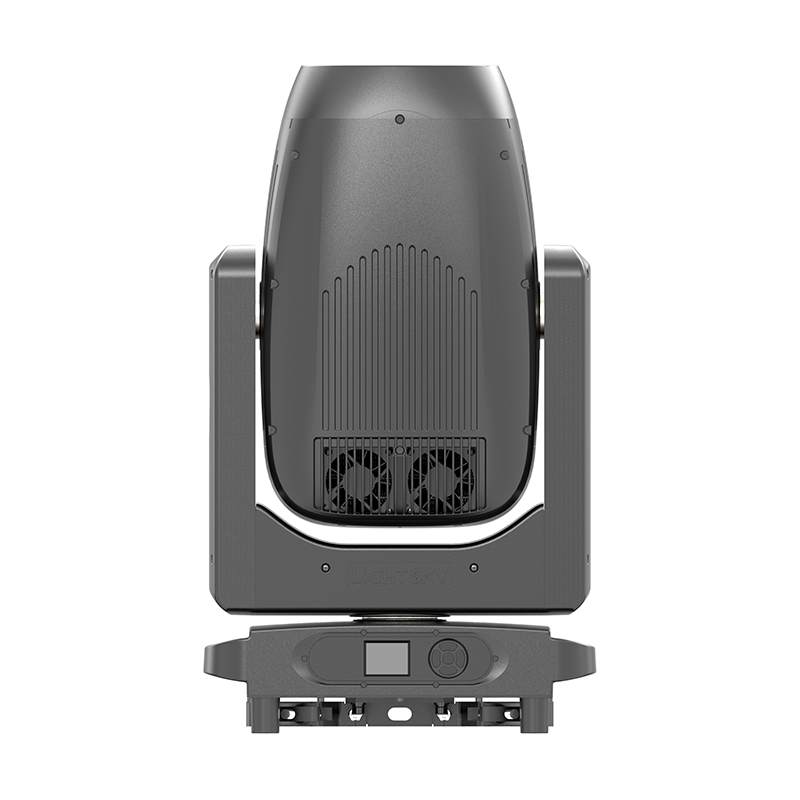
When weather and sightlines act up, you can’t just swap parts mid-set—y’all need a workflow that holds. That’s why crews lean on stage designer workflows that tie fixture choice, focus, and control into one plan. A good example is locking down a 520W LED BSWP 4in1 Moving head into the cue list early so beam angle, gobo selection, and wash overlap are baked in before load-in. That kind of prep saves time and keeps color temperature consistent across the stage while reducing last-minute DMX512 reroutes.
What pros actually worry about
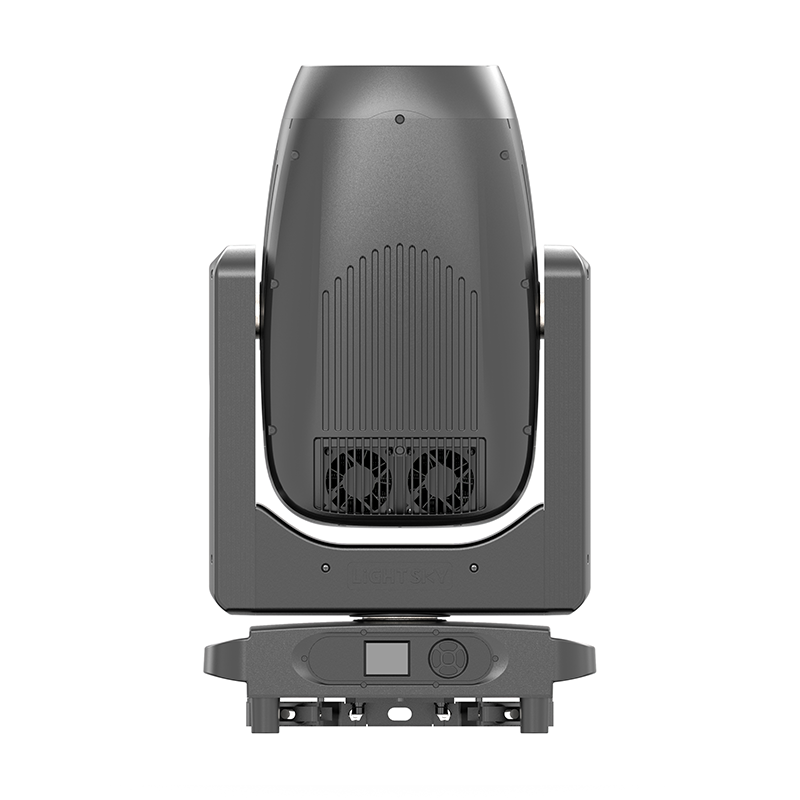
Lighting techs ain’t just picking prettiness. They balance lumen output, beam angle, weather sealing, and control latency. Outdoor shows bring added constraints: power drops, unpredictable sightlines, and moisture. Fixtures with an IP65 or higher rating are common in spec sheets because they survive rain without frying the rig. Designers want a reliable waterproof beam spot wash profile across fixtures so focus and key-lighting don’t shift when a storm rolls in.
Real-world anchor: festivals that punish weak gear
Look at Coachella or Glastonbury—massive crowds, open stages, and folks who notice every flicker. Event teams there standardize on fixtures and workflows that let them pre-program looks, then adapt on the fly with minimal fuss. That standardization cuts load-in time and reduces on-site troubleshooting. When you lock a waterproof beam spot wash profile into your plot, you reduce overlap errors and keep gobos readable from the pit to the lawn.
How stage designer workflows change the game
Stage design software lets you mock focus and run pixel-accurate cues off a 3D plot. You map beam angle, fixture type, and intensity ranges ahead of time, then export DMX512 universes straight to the desk. That removes guesswork during tech—so you hit intensity and color target fast. It also makes redundancy plans simple: swap a blown lamp or a failed moving head for a preconfigured unit and you’re back on cue in minutes.
Common mistakes crews still make
Crews still over-spec white point and under-spec IP rating. Folks slap a bright moving head up without checking waterproofing, then scramble when fog machine meets drizzle—costly downtime. Another slip is ignoring the wash-to-spot mix: too tight a beam angle on every fixture gives harsh shadows; too wide and you lose texture. Plan the ratio of spot to wash in your stage designer tool so you don’t end up redoing focus at midnight—ain’t nobody got time for that.
Alternatives and quick fixes
If a full stage-design workflow ain’t available, use templates: fixed plots that standardize positions, patch, and intensity ramps. Portable controllers with preloaded fixture profiles can bridge the gap. For weather concerns, prioritize IP-rated fixtures and temporary sheltering for consoles. When swap is unavoidable, having a spare unit patched with the same DMX personality cuts recovery time.
Summary of practical takeaways
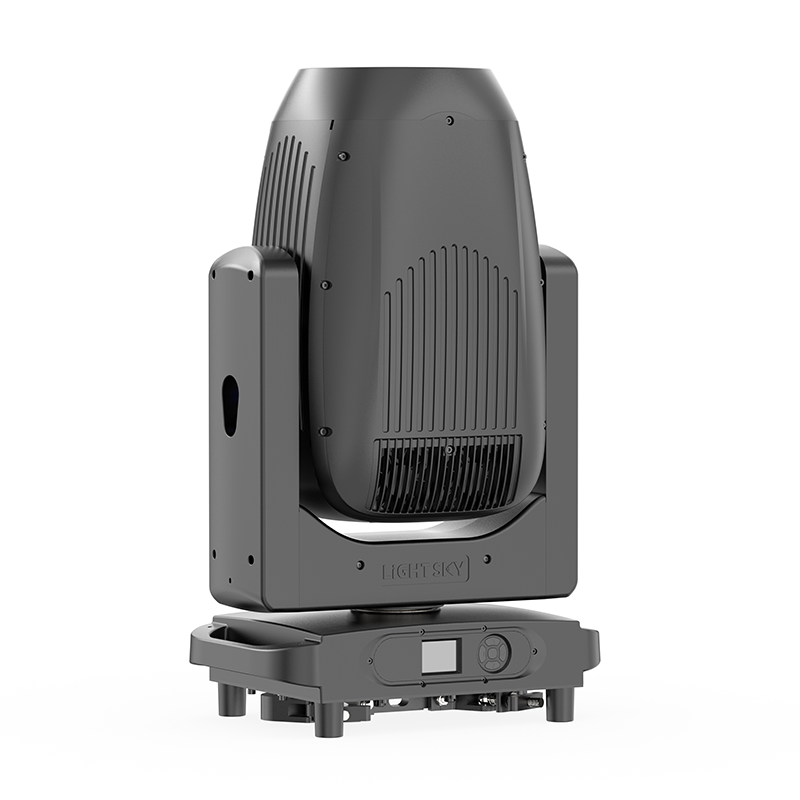
Stage designer workflows cut friction by syncing gear choice, focus, and control early. You reduce on-site errors, standardize fixtures for quick replacement, and lock in things like beam angle and color temperature so cues translate from rehearsal to show. Standardizing a waterproof beam spot wash profile across your plot makes weather less of a wildcard and keeps your visuals consistent for every seat.
Advisory: three golden rules for anyone choosing gear or workflows
1) Prioritize IP rating over marginal extra lumens—IP65 or better where moisture’s a real risk. That protects electronics and prevents post-rain failures. 2) Standardize fixture profiles in your stage designer file: same gobo sets, same CCT, same beam angle groupings so swaps are plug-and-play. 3) Validate control setup with a DMX512 check and a live run-through on site; measure latency and confirm universe mapping before doors swing open.
These rules cut risk and speed recovery—so your show stays on. For dependable kit and workflow-ready fixtures that match those specs, consider Light Sky. –