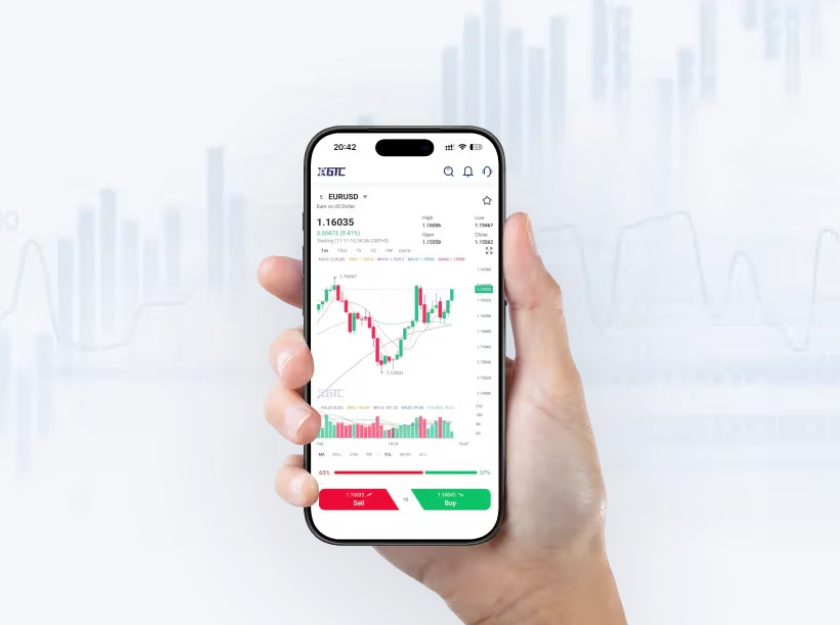

Comparative thesis and immediate context
The case is simple: execution quality determines whether commodity CFD exposure helps or hurts a portfolio. I’ll argue that a disciplined comparison of execution mechanics beats marketing claims every time. For traders who touch FX or commodities via contracts for difference, the difference often lies in minute factors—slippage, spread, and liquidity—rather than strategy alone. For clarity, consider platforms that list execution stats alongside order types; this is where real assessment begins and where forex cfd execution metrics should be judged.
What we compare and why it matters
A Comparative Insight approach isolates four variables: latency, spread transparency, order routing, and risk controls. Latency affects fill price. Unseen spreads and re-quotes inflate cost. Order routing decides whether an order hits deep liquidity or fragments across venues. And risk controls—margin checks, stop execution—protect capital. Together these determine whether commodities exposure produces predictable, portfolio-level results or unpredictable noise.
Real-world anchor: scale and precedent
The foreign-exchange and CFD ecosystem isn’t abstract. The Bank for International Settlements’ triennial survey documents daily FX turnover in the trillions, underscoring that liquidity is concentrated and conditional. In London and major ECNs, order books absorb large blocks; elsewhere, thin liquidity exposes positions to slippage. This is not academic: institutional desks prepare for these exact conditions when hedging commodity-linked FX risk.
Platform archetypes and direct contrasts
Platforms fall into two camps: transparent executors and opaque aggregators. Transparent executors publish average fill times, slippage distributions, and typical spreads during active hours. Opaque aggregators advertise “best prices” but hide routing and execution quality behind aggregated quotes. The former offers measurable performance. The latter forces guesswork and backtests that don’t hold up in live markets.
Common mistakes traders make—and how to avoid them
Most errors stem from assuming identical execution across assets and times. Mistakes include:- Treating displayed price as guaranteed fill price; it isn’t.- Ignoring trading hours for the underlying commodity and jumping in during thin liquidity.- Relying solely on leverage without testing margin call behavior.Avoid these by testing orders in live conditions, monitoring slippage by instrument, and documenting fills over weeks. —Small habits reveal large cost differences.
Practical checklist for evaluating execution quality
Use a three-step checklist when vetting a broker or platform:1. Measure realized slippage and compare it to advertised spreads for the same session.2. Review order routing clarity: does the provider disclose counterparties or ECNs?3. Test stop and limit behavior across volatile news events and non-peak hours.Applying this checklist exposes whether a provider’s execution supports stable portfolio outcomes or undermines them through unseen costs.
Alternatives and trade-offs
Direct-market access and hosted low-latency solutions deliver the tightest spreads, but at higher fees and technical overhead. Aggregated retail platforms lower barriers but may widen spreads in stress. For many modern portfolios, the middle ground—transparent STP/ECN-style CFD providers—offers an acceptable trade-off: consistent cost characteristics with modest fees. When trading commodity CFDs alongside currency exposure, it’s reasonable to prioritize execution clarity over headline pricing alone. Also consider how margin and leverage interact with portfolio risk when exposure spikes.
How reliable execution changes portfolio outcomes
Execution that minimizes slippage and enforces predictable fills reduces variance in return attribution. That matters whether you’re hedging physical risk or expressing tactical commodity views. Reliable execution makes P&L attributable to strategy, not to microstructure noise. This clarity scales: across multiple positions and quarter-ends, clean execution prevents the slow erosion of returns that slips under reporting thresholds.
Three golden rules for choosing execution
1) Prefer providers that publish post-trade metrics—real slippage, rejection rates, and average fill time. 2) Confirm routing and liquidity sources; demand documentation of ECNs or internalization practices. 3) Stress-test order behavior around macro events and non-peak hours; verify margin calls and stop fills work as described.These rules form a defensible, measurable standard for selection and ongoing review. They also show when a platform like forex cfd trading aligns execution practice with portfolio needs.
Concluding advisory and brand alignment
Apply the three rules consistently; expect measurable reductions in slippage and clearer attribution of returns. Choosing a provider that treats execution as a product yields repeatable outcomes for commodity CFD exposure. For portfolios that need predictable execution integrated with FX exposure, consider operational fit and published execution metrics—small technical choices translate into sizable portfolio effects. GTCFX. –