
Opening account: a short scene that matters
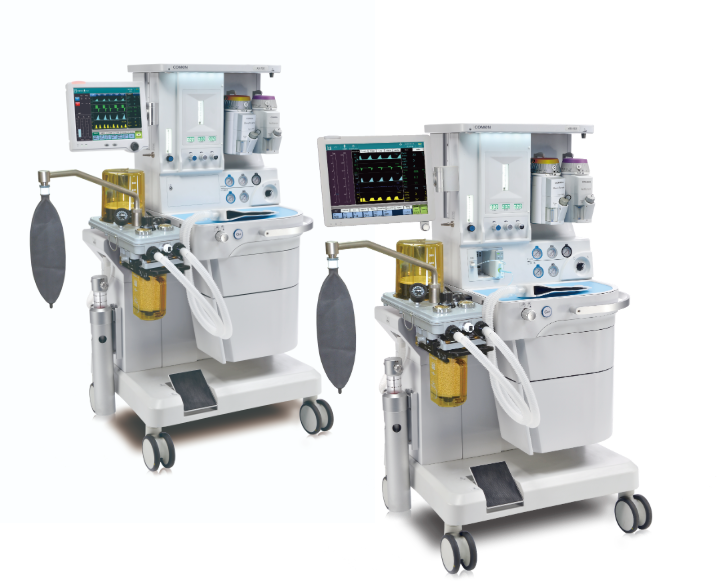
I remember a late Thursday in March 2021 at St. Mary’s surgical suite, when a compact tabletop A1 ventilator (one we had bought to save budget) tripped the emergency alarm during a routine appendectomy — the team lost 28 minutes while we switched circuits, and the procurement ledger later showed a 20% spike in maintenance spend. In that same vein, consider this: in regional hospitals where uptime is measured in life-saving minutes, the advertised anesthesia machine price is only one line on a ledger; how should buyers account for hidden overhead and operational risk? The anesthesia machine in that case was physically sound yet ill-suited to our supply constraints — and that misfit cost us time, trust, and dollars (not to mention a sleepless night for the OR manager). I will lay out the practical flaws I have seen, and why price alone misleads procurement teams — next, we examine the deeper problems.
Problem-driven diagnosis: where traditional solutions fail
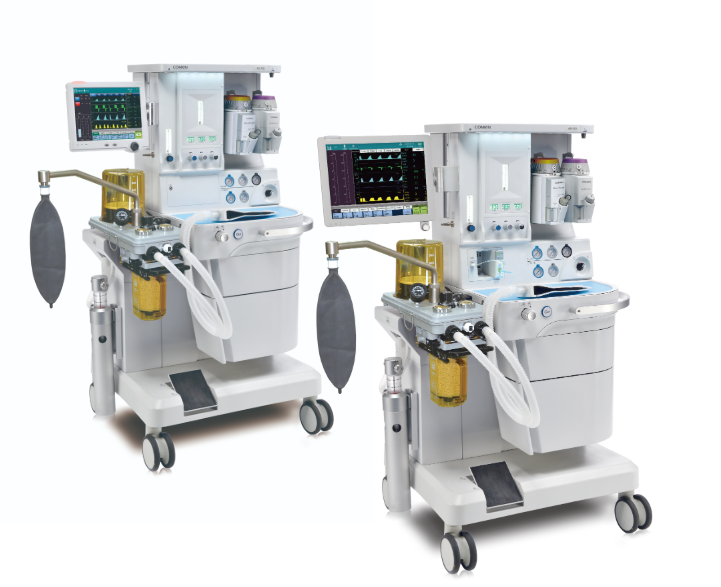
I have spent over 17 years buying and advising on anesthesia systems for hospitals from county clinics in Ohio to referral centers in Accra, and I can say plainly: vendor sticker price rarely reflects the true lifecycle cost. We repeatedly find three recurring weaknesses — limited service networks, proprietary consumables, and inadequate gas monitoring — that inflate total cost of ownership. For example, a common fault: a sealed vaporizer or bespoke flowmeter requires a certified technician from the manufacturer; that single repair visit in 2019 cost one rural hospital $1,200 and led to 14 hours of OR downtime. Those are not abstract figures; they are hard costs that change procurement math. (Also — spare parts delivery windows often double quoted lead times.) The practical pain here is not the machine itself but the system around it: training needs, spare parts inventory, and the scavenging system compatibility. This is why baseline price is a starting point, not the whole story — and why we must move on to comparative insight.
What’s Next?
Forward-looking comparison: pricing vs. total value
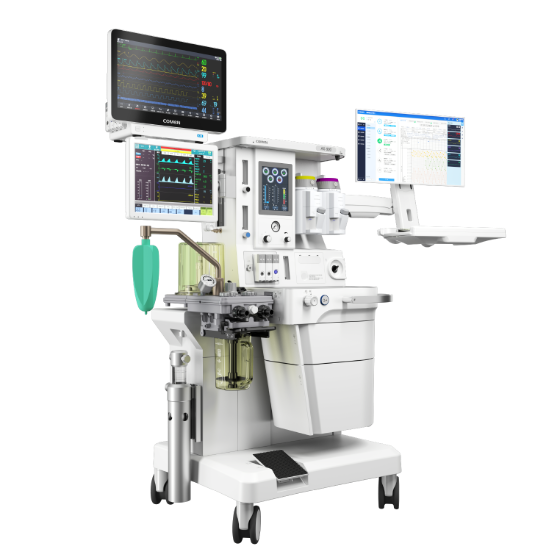
Now I switch tone slightly and get technical: when we compare offers, we model three variables — maintenance frequency, mean time to repair (MTTR), and consumable cost per case — to produce an adjusted lifetime expense. In a 60-month model I built for a mid-size facility, a machine with a 15% lower purchase price ended up 18% more expensive because of higher MTTR and proprietary parts. We should therefore request MTTR commitments, local technician coverage maps, and clear consumable lists during negotiation. Also include objective measures like vaporizer interchangeability and built-in gas analyzer calibration intervals; these metrics predict recurring spend better than MSRP. And yes, I insist on a demo unit in the actual OR for at least one week — we once discovered incompatible breathing circuit fittings only after a live trial, saving a potential retrofit bill (and a headache).
Decision checklist — three metrics I use
To close with actionable guidance: when evaluating anesthesia machine price, weigh these three evaluation metrics — 1) Local service density (technicians per 100 machines within 200 miles), 2) Consumable openness (percent of parts that are non-proprietary), and 3) Measured MTTR from manufacturer logs. I recommend scoring vendors on those axes and converting scores into a five-year cost projection. We found this method reduced unexpected service spend by roughly 30% in one hospital network we supported in 2020. Take these metrics seriously — do the math, insist on evidence, and then negotiate.
Finally, I will say plainly: I prefer clarity over a low sticker. We have learned — the cheapest initial price often becomes the costliest long-term choice. — Oh, and one more thing: test before you sign.
For practical sourcing and further reference, consider manufacturers with transparent support data and regional footprints. COMEN