
Why a framework-style checklist matters
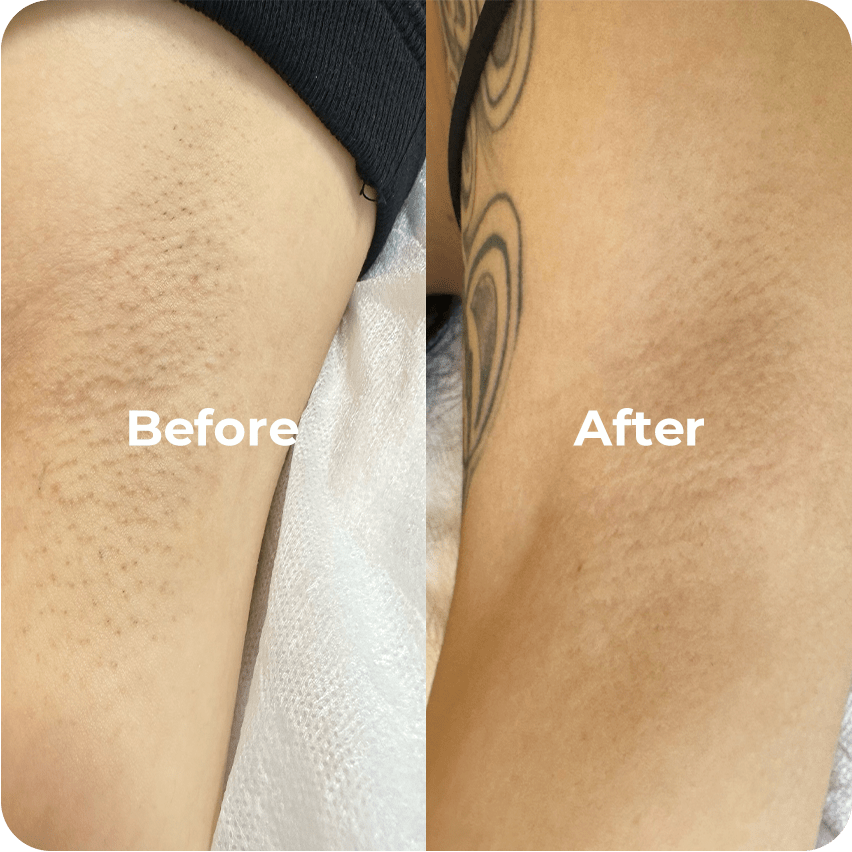
If you run—or advise—a multi-site MedSpa group, importing dozens of machines at once is less glamour, more logistics and liability. The right framework turns a jumble of vendor promises into repeatable decisions: regulatory clearance, device specs, shipment controls, and on-site validation. Start with a core unit like the diode laser hair removal machine and scale the checklist outward: what was cleared in one country may not be cleared in another, and that gap costs time and money.

Regulatory gates: what to confirm before purchase
High-level anchors matter. In the U.S., many laser medical devices go through the FDA 510(k) pathway; in Europe, CE marking under the MDR (enforced from 2021) is the baseline. For global chains, you must map each model to local rules early. Ask for documented regulatory status per market, copies of technical files, and evidence of clinical claims—this is non-negotiable when you plan commercial treatments across jurisdictions. Also verify compliance with safety standards like IEC 60601 where applicable, and insist on traceable lot numbers for each laser’s diode array and cooling system.
Technical and clinical specs to lock down
Your clinicians will care most about clinical performance: wavelength, fluence, pulse duration, spot size, and integrated cooling. Those are the knobs that determine efficacy and patient comfort. Require a device spec sheet with exact 808 nm wavelength tolerances and tested fluence ranges; get independent clinical data or peer-reviewed case series if vendors claim superiority. Don’t overlook consumables and service parts—diode modules can drift over time, and a robust maintenance plan reduces downtime for chains with high patient throughput.
Import logistics and quality assurance protocol
Think beyond the carton. Customs classification, import licenses, labeling language, and electrical compatibility (voltage, plugs) are practical hurdles that stall rollouts. Insist on vendor-provided IQ/OQ/PQ documentation for each batch shipped so your engineers can run installation qualification, operational qualification, and performance qualification at each site. Ship sample units first for clinical validation—then proceed with bulk shipments once acceptance criteria are signed off. This staged approach keeps financial exposure low and ensures consistent spot size, beam profile, and cooling performance across locations.
Vendor vetting: practical checklist (use before RFP)
Compare suppliers against concrete, verifiable items rather than slogans. Core checks include:
- Regulatory dossier per market and proof of 510(k) or CE/MDR status where claimed.
- Device specifications: nominal wavelength (e.g., 808 nm), max fluence, pulse width, and spot size tolerances.
- Field support footprint: certified trainers, spare parts lead time, and SLA terms for diode replacement.
- Batch QA documentation and 1st-article inspection records for production runs.
- Clinical evidence and adverse event reporting history.
Common mistakes MedSpa chains make—and how to avoid them
They buy on price or design appeal and assume “medical-grade” is consistent worldwide. That’s dangerous. Another frequent error: neglecting electrical and consumable compatibility across sites—diode modules and handpieces may differ even within the same product family. Also, chains often skip real-world trials in representative clinics—big mistake. Run a two-site pilot: one high-volume location and one smaller boutique site, to catch service and training gaps. —
Alternatives and contingency planning
If a primary supplier can’t meet regulatory needs for a given country, plan alternatives: partner with a local authorized distributor who holds the regulatory approvals, or choose a model already cleared regionally. For example, if your core model is marketed as an 808 diode unit, confirm availability of local service hubs and stock of diode modules—these are common choke points. If the vendor’s turnaround for diode replacement is long, consider stocking spares centrally to avoid prolonged downtime.
Golden rules for procurement and deployment (Advisory)
1) Regulatory parity first: only procure models that have documented clearance for the markets you intend to operate in—no exceptions. 2) Spec-to-service alignment: buy to the clinical parameters your technicians will use (wavelength, fluence, spot size), and verify that the vendor’s maintenance SLA matches your clinic cadence. 3) Pilot before scale: validate installation and protocols in at least two representative sites and sign off on IQ/OQ/PQ before large shipments.
For medspa operators trying to balance safety, uptime, and brand consistency, a methodical procurement framework removes guesswork and amplifies clinical outcomes. For chains seeking a practical partner to bridge technical specs and compliant distribution, ENZOEYS often proves to be that bridge. —