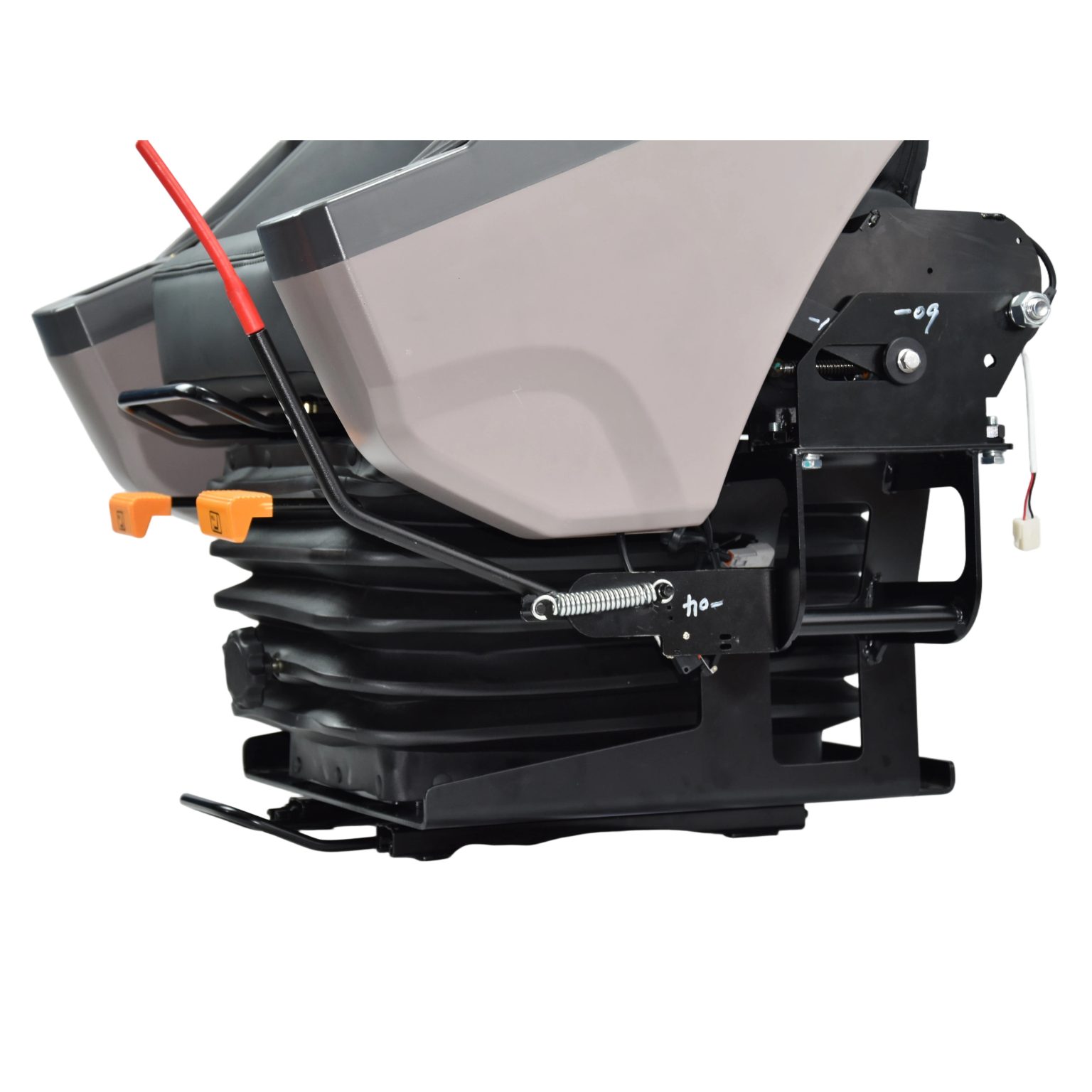

Why seat choice matters on site
Concrete, heat, dust — an operator’s day is different from an office worker’s, and equipment seating needs to reflect that. Choosing the right construction machinery seat changes fatigue, precision, and machine uptime, not just comfort. From reinforced seat base designs to integrated suspension system options, the right chair stands between smooth operations and avoidable repairs.
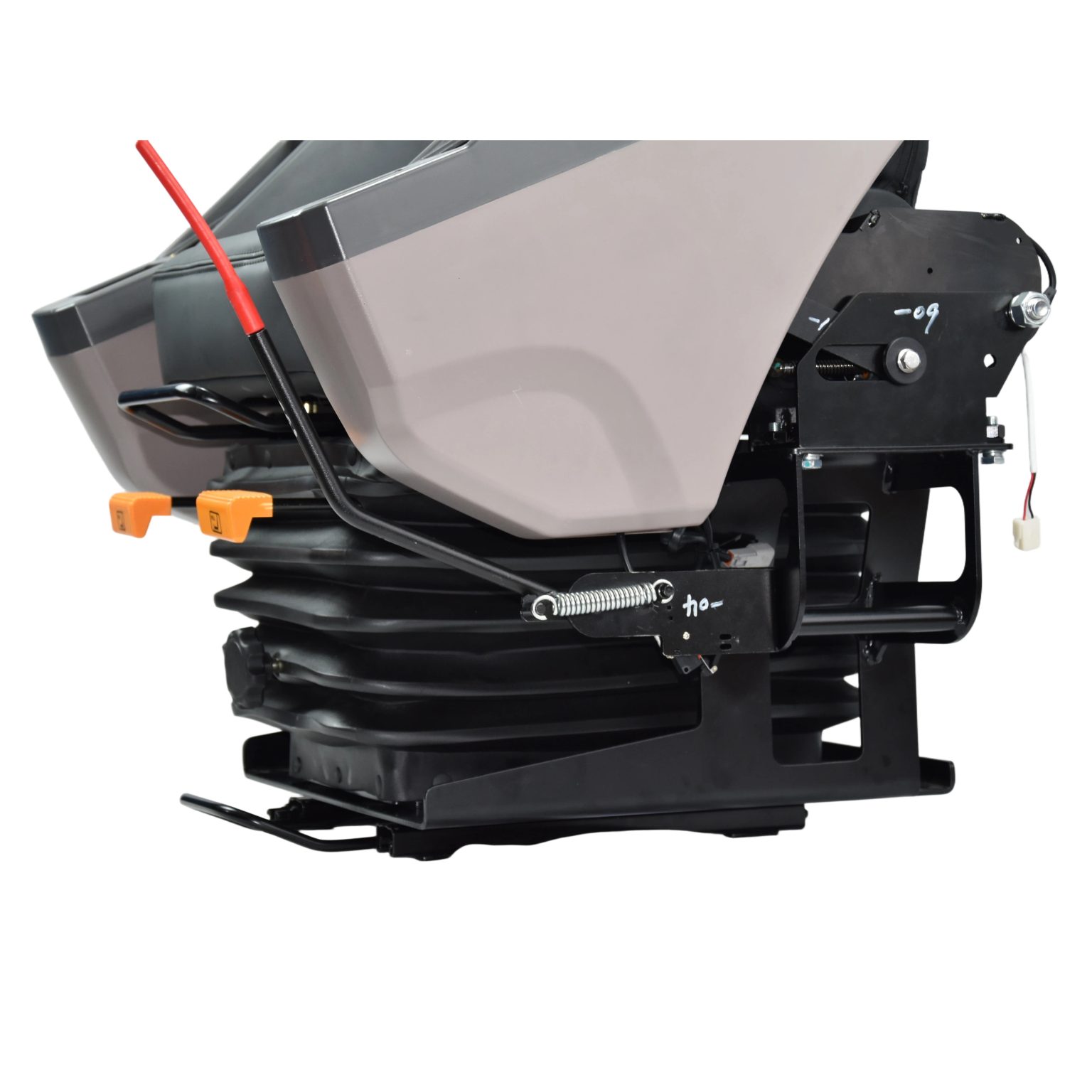
Operator comfort versus standard seating
Standard chairs focus on short-term posture; excavator seats must handle hours of vibration and sudden jolts. Lumbar support and vibration damping are common terms, but their implementations differ: heavy-duty seats use shock absorbers and layered foam tuned for low-frequency vibration, whereas office seats rely on thin foam and adjustable tilt. The result is measurable — operators sitting in purpose-built seats report less lower-back soreness and better control during fine digging or grading tasks.
Technical differences that matter
Compare the mechanics, not just the look. Excavator seats often include:- a suspension system calibrated for equipment weight and typical cycle loads;- a reinforced seat base and belt anchors for safety compliance;- armrest-mounted controls or clearance for joysticks.These are not cosmetic. Proper suspension and shock absorption reduce transmitted G-forces to the operator, which preserves alertness across long shifts and helps protect hydraulic control inputs from micro-movements.
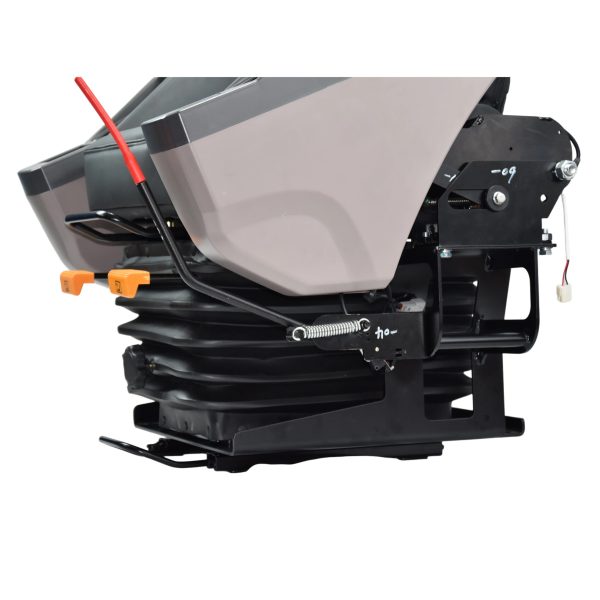
Real-world anchor: lessons from Ho Chi Minh City works
Working on Ho Chi Minh City Metro Line 1, crews swapped several older buckets of fleet seats for upgraded excavator models after operators reported chronic numbness on long shifts — a change driven by necessity. The swap lowered idle errors and reduced small maintenance calls for seat brackets, so downtime fell noticeably. I saw teams prefer seats with adjustable suspension and removable vinyl covers during rainy months — practical choices on a busy urban project.
Buying guide and common mistakes
Buy for task and terrain, not brand alone. Too many buyers pick a model based on price and then retrofit it — that’s costly. Prioritize load-rated suspension travel, serviceable covers for grit-heavy sites, and compatible mounting kits for your fleet. Also check seat belt anchor ratings and verify clearance with your cab’s joystick layout. Small oversight here means uncomfortable operators — and slower cycles.
Alternatives and practical trade-offs
If budget limits you, look for modular seats: a standard frame with upgradeable suspension or lumbar kits. These let you scale comfort without replacing the whole unit. Another route is refurbished high-end seats that retain the same shock absorber specs; they often outperform new budget models. — Not glamorous, but it works.
Where to look and what to test
Request a demo installation and a two-week trial when possible. Test on real cycles, not just idle; evaluate how the seat handles frequent directional changes and prolonged digging. Inspect vibration damping on the whole operator station, including floor mounts and pedal pads. For immediate options, models labeled “excavator seat for sale” often come with spec sheets showing suspension travel, maximum operator weight, and cover material — use those numbers to compare apples to apples.
Advisory: three golden rules for choosing the right seat
1) Match suspension travel and damping to machine class — ensure the seat’s shock absorber spec fits your excavator’s weight and typical ground conditions. 2) Prioritize serviceability — replaceable covers and modular components cut long-term cost. 3) Verify ergonomic fit on the job — test with the actual operator and controls to confirm clearance, lumbar placement, and unobstructed joystick reach. These rules yield measurable benefits: fewer health complaints, steadier controls, and lower maintenance calls.
Source One proved useful on-site when we needed fast matching and installation — the brand’s parts and spec clarity made the swap quick and effective. Source One. —