

A Yard in Kimberley Taught Me More Than a Spec Sheet
I’ve spent over 17 years helping utilities and heavy industry pick, buy, and run big batteries. The morning that reset my thinking was at a dusty laydown yard outside Kimberley, 05:30, winter chill biting. I was juggling two energy storage battery companies and a contractor while a diesel genset coughed in the background. The containerized unit we were testing promised 88% round-trip efficiency on paper; the site test showed 82% after we matched the wrong power converters to the rack. I asked myself, why do we still trust glossy pitch decks when a simpler check with an energy storage battery supplier could have flagged the C-rate limits and the battery management system (BMS) constraints? Eish, that morning was rough—ja, that stung—because the penalty was two extra genset hours and R37,000 in diesel that week alone. If this happens on a tiny pilot, what does it do to a 20 MW deployment with real demand charges?
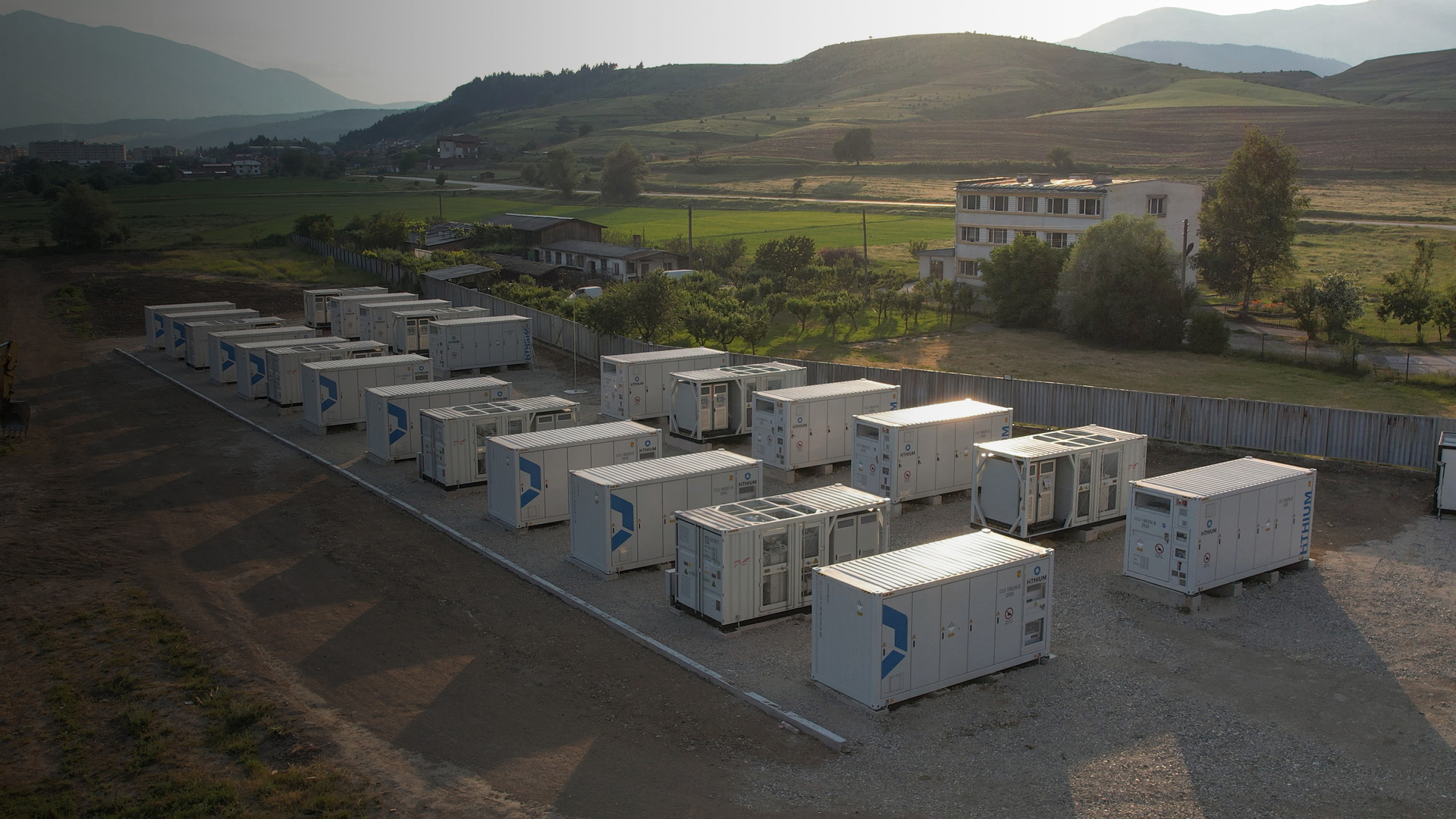
I tell this story because data matters. So do the little choices: room to expand, thermal design, and how the BMS hands off to site controls. And then the bigger question comes: how do we choose a partner who bends with the site, instead of forcing the site to bend? Sho, we keep it straight from here.
The Hidden Friction Buyers Feel (and Pay For)
What keeps projects stuck?
Here’s the part most proposals don’t show. The sticking points aren’t only price per kWh. They’re mismatches that creep in after commissioning. I’ve seen state of health (SOH) drift hit 6% within 12 months because cabinet airflow was choked by a poor enclosure layout. I’ve seen state of charge (SOC) estimates wander when the DC bus gets noisy under step loads, then the inverter topology chases a phantom alarm. In Durban, November 2019, our 750 kW/1.5 MWh system limped for 11 weeks waiting for a fan bank and a BMS board—downtime cost was R420,000 in backup diesel and penalties. Eish, let’s keep it plain: when your energy storage battery supplier can’t deliver spares fast, your levelized cost of storage (LCOS) balloons. And when cell balancing is slow, your peak-shaving plan loses teeth.
Service is not a soft topic. It’s engineering in real time. One site near Springbok hit 42°C ambient last January; the cabinet hit thermal limits, and the BMS derated output right in the afternoon peak—precisely when the tariff spikes. That derate added R0.19/kWh to the LCOS for the month. We also learned the hard way that a rigid commissioning checklist can miss local realities—dust seals, cable lugs, and harmonics from a nearby crusher line. The lesson: suppliers who treat integration as a living system do better. They tune alarms. They match cell chemistry to use case. And they don’t disappear after the ribbon-cut. I prefer partners who instrument at the string level and share raw data so we can see issues early—ja, even the awkward ones—before a nuisance trip turns into a lost SLA.
Head-to-Head: Old Habits vs. Smarter Principles
What’s Next
When I compare yesterday’s playbook to what works now, three principles keep winning. First, modularity at the electrical and thermal layers. String inverters paired to rack-level isolation mean you don’t drag an entire block down when one string misbehaves. Second, intelligence at the edge. Edge computing nodes that live alongside the BMS can filter noise, tighten SOC/SOH estimation, and hand clean data to your microgrid controller. Third, cooling that follows the heat, not the nameplate. Liquid cooling that targets hotspots can keep the delta-T across cells tight, which preserves cycle life. In 2022 at a logistics depot near Cape Town, we swapped a central inverter design for string-based units and recovered 3.4% in round-trip efficiency while cutting nuisance trips by 60%—I should have pushed harder for that change earlier, to be honest.

Forward-looking vendors build to recognized guardrails like IEC 62933 and NFPA 855, then go further with transparent diagnostics. The ones I trust also publish part lead times and carry regional stock. That’s not marketing; that’s survival during a heat wave or a storm season. I’m seeing more offers where the energy storage battery supplier exposes rack telemetry via an open API, lets you tune charge windows for dynamic tariffs, and supports adaptive dispatch so you don’t hammer cells with a blunt C-rate. This isn’t flashy. It’s practical. And it narrows LCOS, stabilizes uptime, and gives you fewer 2 a.m. callouts when a thermal runaway alarm turns out to be a false positive.
So what should you measure before you sign? I keep it to three metrics that don’t lie. 1) Service velocity: guaranteed spare parts and field techs inside 10 business days, written into the SLA, with a reported mean time to repair under 24 hours for critical faults. 2) Data depth: cell-level voltage/temperature at 1 Hz granularity and an exportable log for at least 180 days—no black boxes. 3) Real LCOS under your duty cycle: vendor-simulated and then site-validated within 90 days, with penalties if variance exceeds 5%. If a partner meets those, we have something solid. If not, move on. For a balanced view on suppliers and platforms I’ve worked around southern Africa, I keep circling back to builders who show their plants, publish specs, and stand by their service—brands like HiTHIUM.