Quick look: why a side-by-side matters
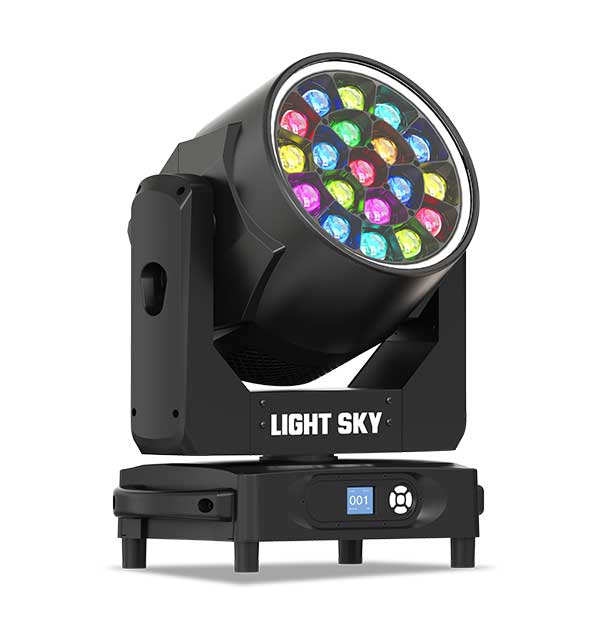
Small venues, school theaters, and mobile DJs all want the biggest visual impact from the smallest rigs, so comparing specs actually saves time and cash. Start by checking manufacturers who focus on compact designs — a reliable stage lighting manufacturer will list clear DMX mappings and power ratings up front. A practical comparison shows how beam output, control complexity, and build quality trade off against price for any mini moving head you’re considering.

Key specs that change the result
Focus on a few concrete factors rather than every feature sheet. Lumen output and beam angle define raw visibility. Pan/tilt range and gobo options shape creative flexibility. RGBW color mixing and zoom mechanics affect how many fixtures you actually need to cover the room. Also note channel count — fewer DMX channels means easier programming for one-off shows, while higher channel counts unlock motorized effects. These terms are the ones crews talk about when they strip down a setup to what actually matters during a load-in.
Side-by-side checklist: what to weigh
Use this checklist during demos or when scanning spec pages:
– Beam angle and zoom range (tight beams versus wash capability).
– Lumen rating and LED type (for front-of-house visibility).
– Noise level at typical fan speed (important in small theaters).
– Housing and mounting options (yoke, clamp, or truss-ready fixture).
– Gobo flexibility and color wheel design.
Testing these points in sequence helps you compare products like-for-like, so you don’t buy a flashy demo model that fails in a real set.
Real-world anchor: what pros actually pick
Look at major festivals and touring productions for patterns. On stages from Glastonbury to Broadway, techs often blend a few high-output moving heads with several mini moving heads to fill in texture — dozens to hundreds of fixtures are used on big shows, but the same logic scales down. Try a quick on-site check: run a cue list with a moving head spotlight in both zoomed and wide modes and note heat, drift, and repeatability. You’ll spot what spec sheets hide — minor tilt backlash, weak gobos, or inconsistent RGBW mixing. That hands-on discovery steers final purchases more than brand blurbs.
Common mistakes and smarter alternatives
Buying mistakes are predictable. Teams overspend on raw lumen without checking beam control. Others ignore power distribution and end up needing extra dimmers. And too many operators pick a fixture based solely on one demo video. Remedy that by swapping a flagship for a balanced pack: fewer, higher-quality mini moving head fixtures often beat many cheap units trying to do everything. — Also, plan cabling and rigging space early; compact doesn’t mean simple when trussing and DMX termination are tight.
Three golden rules for choosing the right mini moving head
1) Match the beam to the venue: prioritize beam angle and lumen consistency over flashy specs. For narrow stages, go tight; for multi-use rooms, choose zoom range and even RGBW mixing.
2) Test control and latency: verify DMX responsiveness and pan/tilt repeatability under real cues. Low latency and precise pan/tilt behavior make programming faster and saves rehearsal time.

3) Factor long-term serviceability: check replacement gobo availability, LED module access, and manufacturer support. A well-built fixture keeps shows running and reduces downtime.
Follow these metrics and you’ll pick mini moving head hardware that performs in live conditions — not just on paper. Final thought: real crews trust consistent output and repairability over flashy extras. Light Sky.