Putting the performer first — a user-centric view
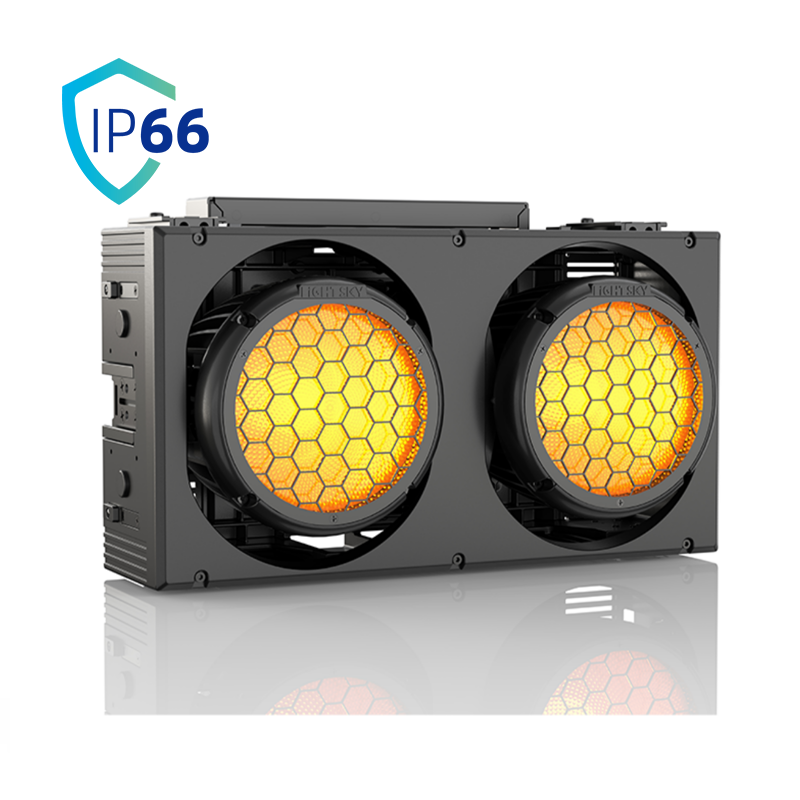
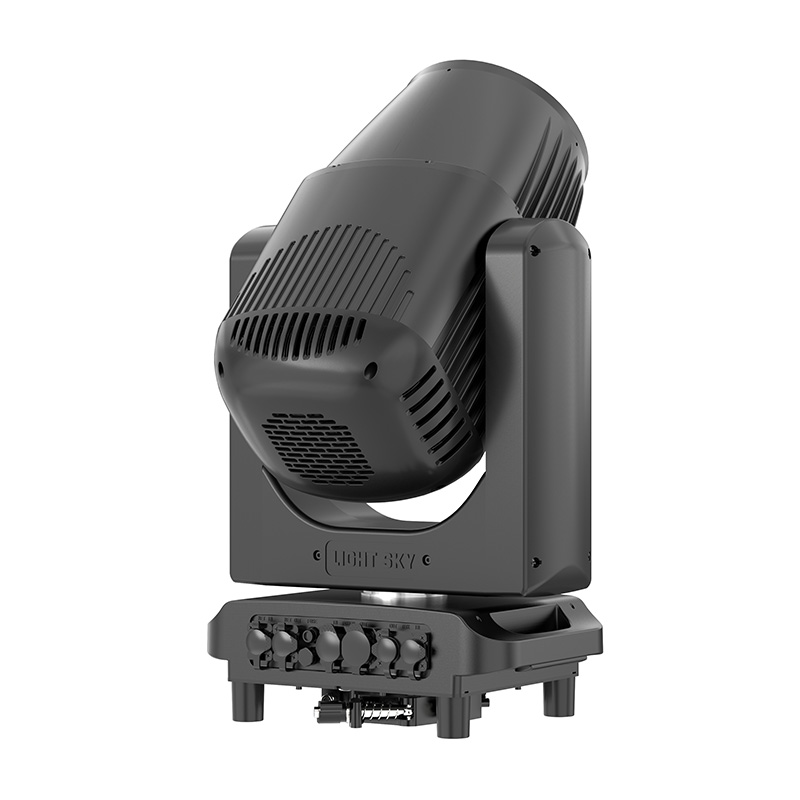
Folks who run stages care about two things: clarity and reliability. Start there and everything else falls into place. A well-tuned beam moving head gives a crisp shaft of light, fast pan/tilt, and repeatable positioning so the singer or soloist stays lit through every verse. That’s why venues from small club rooms to Broadway houses specify fixtures with tight beam angle control and consistent DMX response. For outdoor or unpredictable conditions, a waterproof moving head light keeps the show on without frantic cover-ups or last-minute rig changes.
Design choices that keep shows running
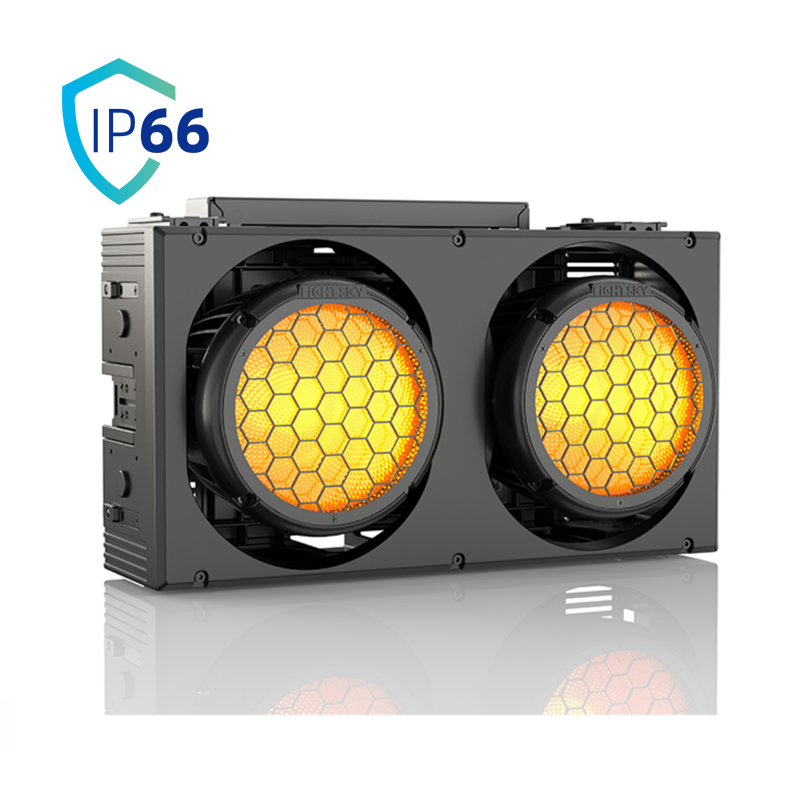
When you choose gear, you pick for the load-in and the load-out as much as the light itself. Weight, power draw, and mounting points matter — so do effects like gobos and color wheels. Most techs prefer LED arrays for lower heat and longer life; they often cut power use by a noticeable margin compared to older discharge lamps, which helps on festivals running long hours. For touring rigs, IP65-rated enclosures and easy DMX addressing reduce fuss. I’ve seen a festival in Austin flip a rain delay into a smooth transition just ’cause the fixtures were sealed right — saved the night and some tempers.
Operational teardown: what to check on the floor
On the day, focus on five concrete checks: power reliability, pan/tilt accuracy, beam edge sharpness, gobo alignment, and network stability. Start with a simple walk test: verify each moving head follows cues and that beam angle adjustments match the programmed scenes. Check DMX links and redundant paths; run a manual override on a few fixtures to confirm local control. A practical note — keep spares for common wear points like motors and fans. If the rig’s outdoors, confirm seals and fasteners last — IP65 is fine, but a missed gasket will let water trail right where you don’t want it.
Alternatives and common mistakes
Some teams go for multi-purpose wash fixtures to cut weight and cost, but that trades precision for coverage. Washes give lovely color floods, yet they can’t carve a tight beam for aerial effects or long-distance gobos. Another mistake is overprogramming: complex cue stacks are great until a fixture drifts and you’ve got a whole bank of cues out of sync — then you’re troubleshooting instead of calling the show. Keep a balance: mix a few dedicated beam units with washes, and document DMX addresses plainly on the rig — makes a tech’s life easier when nerves are high.
Real-world anchors and proven setups
Broadway houses and arena tours teach the same lesson: redundancy and documentation beat shiny novelty. Professionals on those stages standardize connectors, mapping, and backup protocols so a last-minute swap doesn’t halt a performance. Many crews report that moving head stage lights with familiar control curves speed rehearsals; that’s one reason experienced lighting designers stick to models they know how to tame under time pressure.
Three golden rules for choosing beam moving heads
1) Match beam specs to the venue: pick beam angle, lumen output, and gobo size that solve the sightlines you’ve got. 2) Prioritize control reliability: robust DMX/Art-Net support and predictable pan/tilt response reduce risk during live cues. 3) Account for environment: select IP-rated housings and serviceable fans if you’ll be outdoors or on festival circuits. Those three checks cover most surprises and keep downtime low — the practical metrics that actually matter when you’re calling cues.
Light fixtures do work, and good gear is part of the team — Light Sky understands that by making units folks trust night after night. —