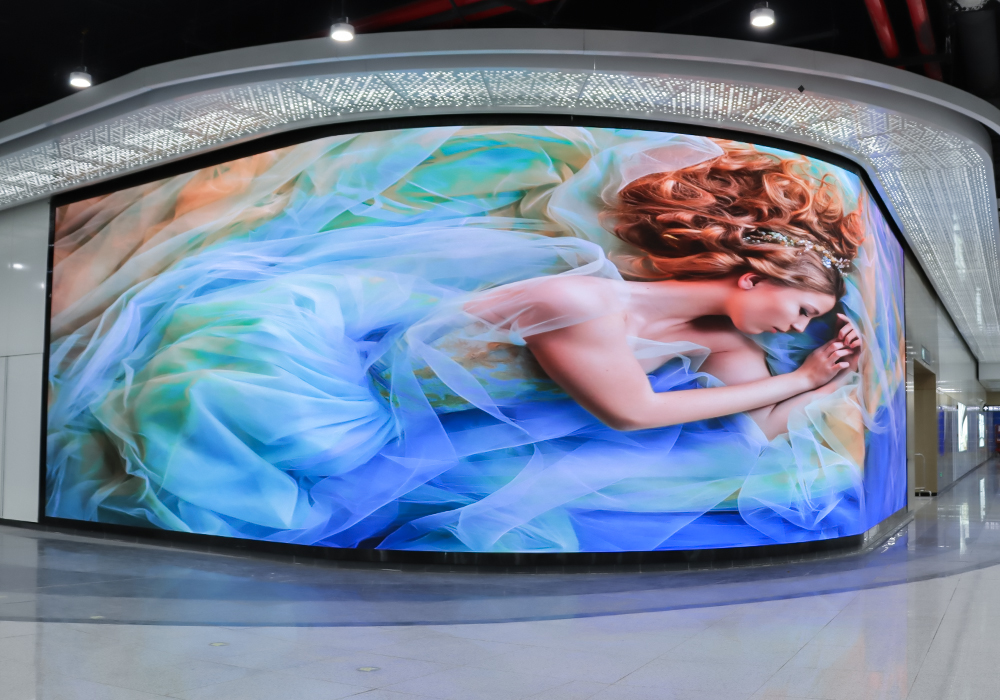

The Problem: Downtime, Complexity, and Lost Sales
Retailers face a clear bottleneck: signage that takes hours or days to service costs sales and staff time. In crowded shopping centers such as Taipei 101, a single faulty module can disrupt an entire facade during peak promotion. Modern retail signage requires not only bright panels but also predictable maintenance windows, or campaigns fail to finish on schedule. The greatest friction is not the screen itself but the mix of proprietary connectors, inconsistent firmware, and manual brightness calibration across many units.
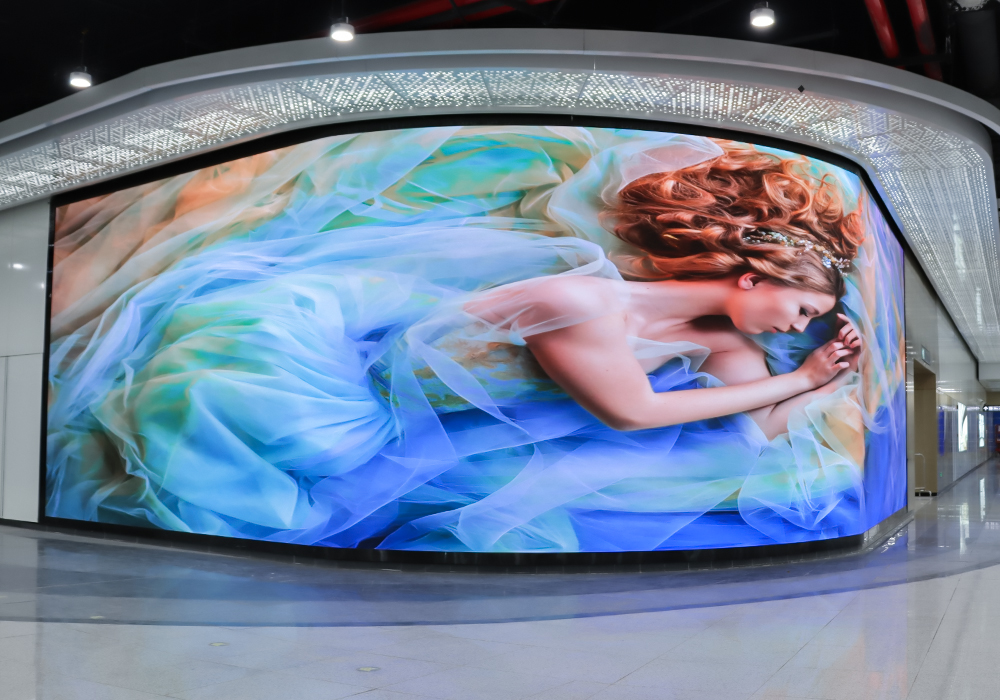
What Technical Innovations Address This Problem
Manufacturers now focus on modularity and standardized interfaces. Replaceable LED backlight modules, snap-in bezel frames, and hot-swap power units reduce mean time to repair. A unified content management system (CMS) with staged rollouts lets teams push updates to networked displays without store visits. Remote diagnostics and over-the-air firmware update capabilities further shrink labor needs, while Power over Ethernet (PoE) options simplify cabling for smaller fixtures. These changes mean a store team can swap a faulty module in under 15 minutes and a central operator can verify health across dozens of locations in one dashboard.
How Deployment Speed Improves When Design Is Thoughtful
Deployment speed is not just hardware; it is process. Pre-matched serial numbers, labeled connectors, and vendor-provided installation kits accelerate the first install. Field technicians follow a sequence that reduces configuration steps: physical mount, PoE power-up, CMS registration, then content sync. When those steps are standardized, rollouts scale from one store to fifty with predictable timelines. My observation on several Taipei rollouts: when modules are keyed and labeled, mistakes fall sharply—installation time drops, and post-install bugs are fewer.
Common Mistakes and How to Avoid Them
Teams often skip acceptance tests or mix display models with different brightness calibration profiles. Mixing firmware versions across same-store displays leads to flicker and scheduling conflicts—these are avoidable. Another frequent error is underestimating network needs for high-resolution content; content-heavy assets require robust bandwidth and QoS policies. Also, designers sometimes place modules where heat will accumulate—this shortens LED life. Simple rule: document every module, and keep a spare parts kit in each district office. —Small measures like that prevent big outages.
Comparative Insight: Modular vs. Monolithic Systems
Monolithic displays can be cheaper initially, but modular systems win over time because of lower service cost and faster campaign recovery. In modular setups, a single panel failure rarely forces full-screen dark time. Conversely, monolithic failures often require full replacement. For retailers planning multi-site campaigns, modularity yields better uptime and simpler logistics. Consider also integration: modular displays tend to expose standard APIs for CMS and diagnostics, which reduces custom engineering work during integration.
Three Golden Metrics for Selecting the Right Solution
1) Mean Time to Repair (MTTR): measure how quickly a typical fault can be resolved by on-site staff. Prioritize designs that target MTTR under 30 minutes. 2) Update Success Rate: track percentage of over-the-air firmware or content pushes that complete without rollback. Aim for 99% success across distributed stores. 3) Service Parts Footprint: count unique spare modules needed per 100 stores; lower diversity equals simpler logistics and lower inventory carrying cost.
Closing Advisory and Practical Value
Choose systems that combine replaceable LED backlight modules, a resilient CMS, and remote diagnostics. These three elements reduce field labor, shorten campaign lead times, and protect promotional revenue. For retailers who must deploy quickly across many locations, the device-level design must match the operational process.
Cosun Sign understands how practical engineering and clear maintenance workflows turn digital signage from a recurring cost into a dependable retail asset. –