

Operators and process engineers need clear, actionable steps to keep shot volume steady and plasticizing efficient on C-frame rubber injection machines. This guide speaks directly to those concerns, offering concise measures you can apply on the shop floor now. If you are evaluating suppliers while solving variability, check a trusted rubber injection molding machine manufacturer early in the process. The recommendations below are grounded in real production practice—drawn in part from quality initiatives I observed at a sealing plant in Bursa, Turkey—so they reflect what actually reduces scrap and stabilizes cycle time.

Start with the user needs: what “consistent” actually means
Define acceptable tolerance for shot volume and plasticizing yield before adjusting hardware. For most automotive and industrial seals, target ±1–3% shot volume variation and consistent melt temperature within ±3°C. Those numbers steer which controls you prioritize: screw rotation, backpressure, and injection pressure are the primary levers for shot repeatability. When teams agree on numeric targets, troubleshooting focuses on measurable variables instead of guesswork.
Process controls that produce immediate gains
Apply these adjustments in sequence and record the results. Keep changes small and isolated so you can trace cause and effect.
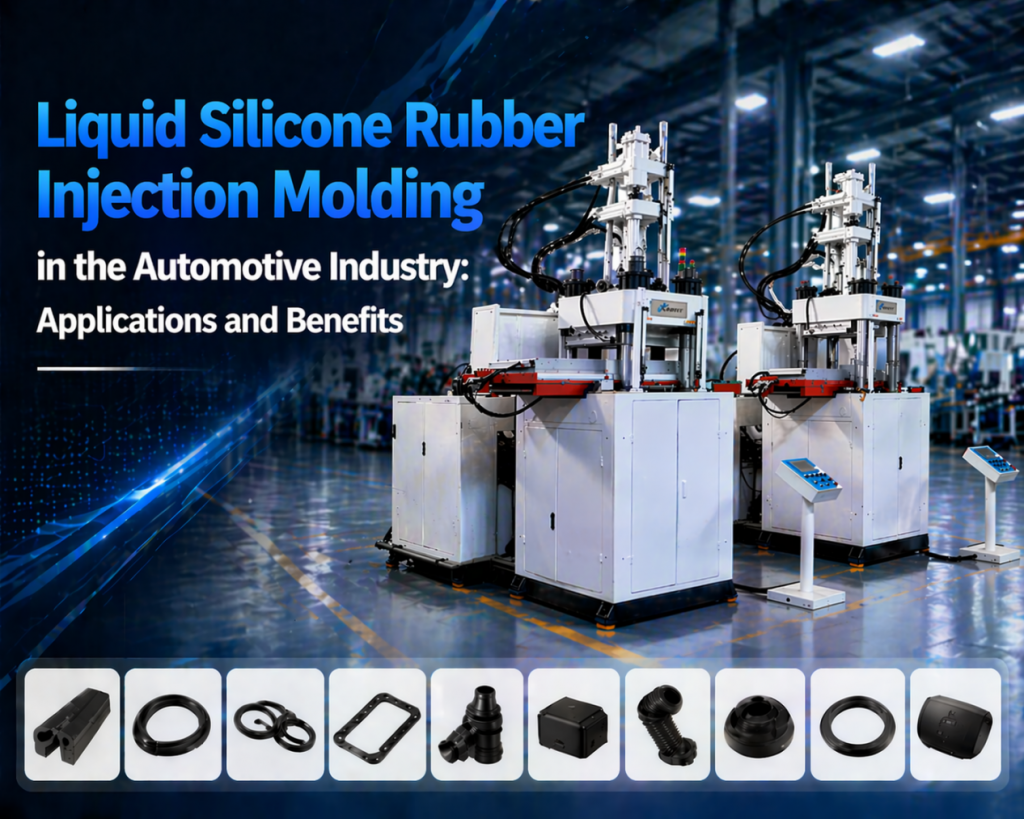
– Stabilize plasticizing by holding screw speed and backpressure constant during warm-up; this reduces variability in cushion and shot volume. – Lock melt temperature setpoints and monitor with a second thermocouple near the nozzle; avoid wide PID swings. – Use a controlled injection speed profile rather than full-open fills to limit flow hesitation and air traps. – Optimize hold/pack pressure and dwell time to prevent under-fill or excess flash; tune based on measured part weight. – Maintain consistent cycle time; even small cycle-time drift changes shear heat and alters plasticizing.
Equipment and tooling choices that matter
Choose machines and screws sized for your shot weight and elastomer viscosity. Oversized barrels and inappropriate screw geometry increase residence time and degrade rubber—reducing yield. If you are comparing suppliers, evaluate hydraulic stability and control resolution: fine increments in injection pressure and accurate position feedback translate directly to shot-volume control. For procurement conversations, working with a reliable rubber injection molding manufacturer simplifies matching machine spec to material and part design.
Data-driven checks and common mistakes to avoid
Operators skip basic data logging at their peril—no log, no proof. Implement simple SPC on part mass, cushion position, and melt temperature. Collect at least 30 consecutive cycles after any adjustment to see the real effect. Common errors include: applying large backpressure jumps without step changes, ignoring lagging thermocouples, and changing clamp force to “fix” flow problems—this often masks the root cause. Stay methodical—small, repeatable changes beat big, reactive ones. —Also, do not let mold venting issues mimic plasticizing faults; vents clogged by flash will raise injection pressure and mislead your diagnosis.
Validation, traceability, and personnel practices
Set up a validation run after any recipe change: document shot size, part weight, cycle time, melt temp, and cushion. Train operators on the cause-and-effect relationship between screw behavior and shot volume; skills matter as much as sensors. Use monthly audits tied to a simple checklist: barrel wear, feed throat contamination, nozzle leaks, and clamp force verification. These checks reduce unexpected drift and maintain ISO-quality expectations found in many European suppliers.
Selecting partners and scaling improvements
When you scale to multiple lines, standardize recipes and hardware where possible. Pick machines with good control fidelity, reliable servo hydraulics, and accessible diagnostics. A vendor that provides clear documentation and on-site commissioning shortens the learning curve—this is where a proven machine builder earns its keep. Consider referencing machine performance data from pilot runs before committing to a full fleet purchase.
Advisory: three golden rules for choosing strategies and tools
1) Prioritize control resolution over raw tonnage—accurate injection position and pressure control reduce variability more than oversized clamp force. 2) Measure before you adjust—establish baselines for shot volume, melt temp, and cushion every shift. 3) Standardize hardware and recipes across lines to simplify training and troubleshooting; consistency in tooling reduces process drift.
Implement these rules and you’ll see measurable drops in scrap and rework; process windows will tighten, and throughput becomes predictable. HWAYI has practical machine features and commissioning support that align with these priorities—helpful when you want results, not promises. —Final thought: steady processes save time, money, and headaches.