
Start with what matters to you
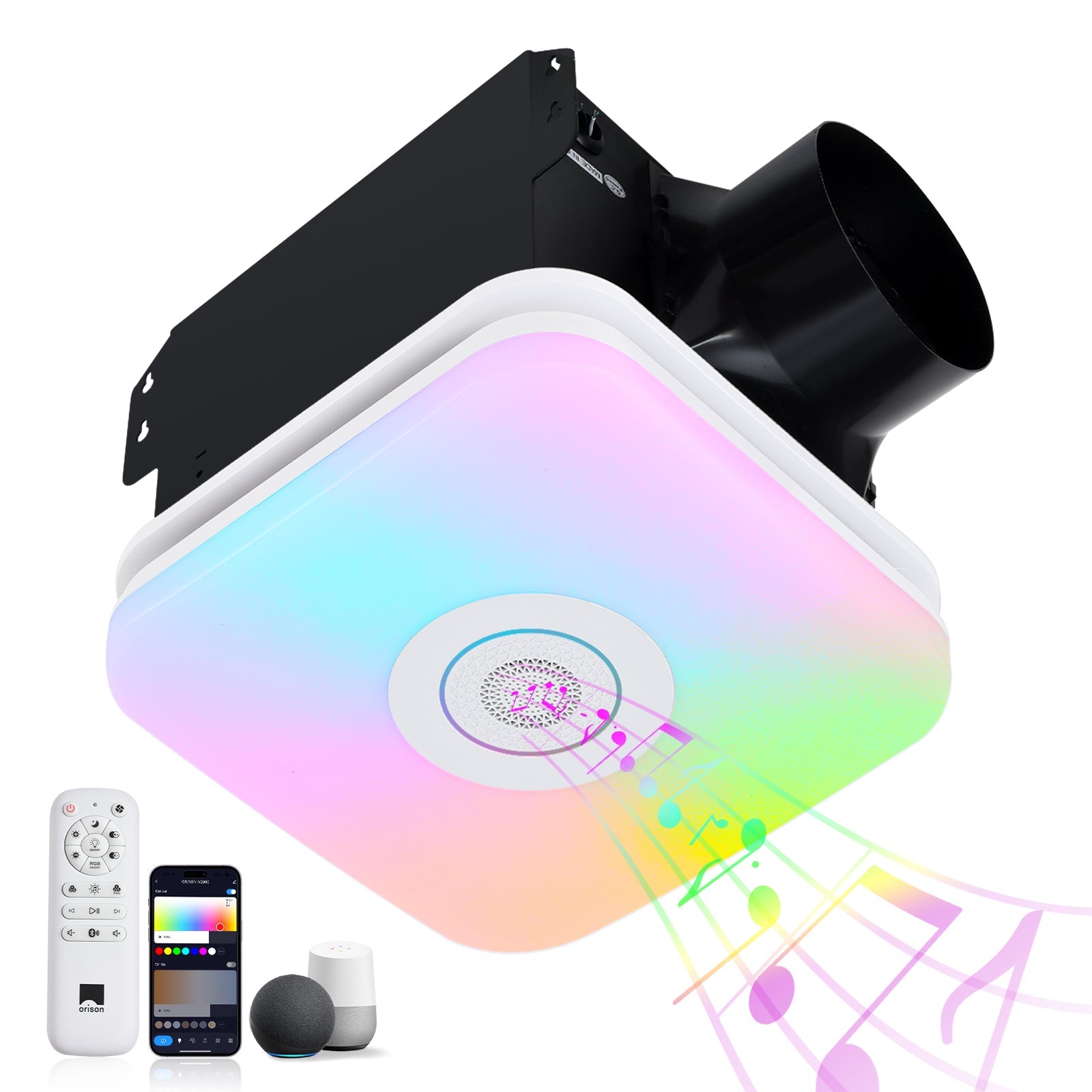
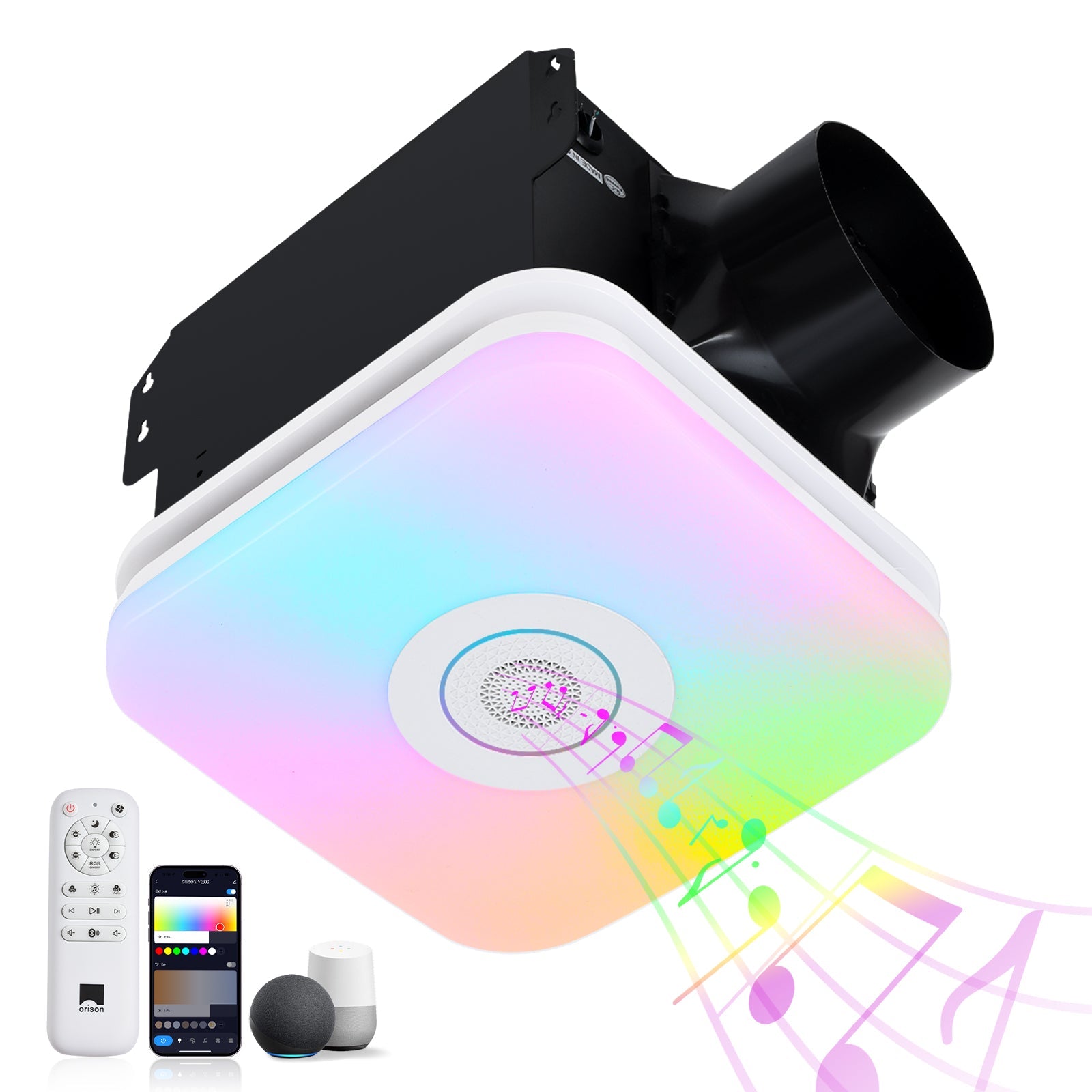
You want a bathroom that clears steam fast, stays quiet, and doesn’t spike your energy bill. Think of ventilation as performance training for your home: measured, repeatable, and tuned. Look for units rated for real CFM performance, low sone levels, and smart controls that actually respond to humidity. If you’re shopping, compare a dedicated bathroom exhaust fan that lists tested airflow and sound numbers — not vague marketing copy. ASHRAE 62.2 is the go-to guidance for ventilation; it’s often referenced in building codes and helps you translate room size into required CFM.
What your bathroom needs — a user-centric checklist
Break requirements into clear outcomes:
- Moisture control: clear steam in under 10 minutes after a hot shower to prevent mold.
- Noise tolerance: quiet enough so people don’t avoid using it during calls or sleep.
- Energy balance: enough airflow without constant high-power draw — ECM motors help here.
Keep these goals in view when you read specs. They’ll prevent you from overbuying or underperforming.
Airflow metrics and smart features decoded
Understand the tech so choices get simple. CFM (cubic feet per minute) is the primary metric — it tells you how much air moves. Sone is the noise unit; lower is quieter. Static pressure and ductwork condition affect delivered CFM, so wall‑to‑wall ratings rarely match on‑site performance. Look for ECM motors for better efficiency and consistent speed under load. Smart integration means humidity sensors, timers, and demand-control that can bump airflow only when needed — saving energy and reducing noise exposure.
Also check compatibility with a bathroom extractor or inline fan if your layout forces long ducts. Inline fans can maintain CFM across longer runs and often reduce in-room noise.
Real-world anchor: why standards and events changed the game
Two anchors shape modern choices. First, ASHRAE 62.2 — widely adopted in North America — gives practical ventilation targets tied to occupancy and floor area. Second, the COVID-19 pandemic pushed offices and multifamily buildings to re-evaluate ventilation, making measurable airflow and sensor-driven control mainstream concerns. Those shifts mean manufacturers now publish test results more often. Use those published figures; don’t guess.
Common mistakes people make — and the quick fixes
Brands and homeowners stumble on the same things. They pick fans by price or look, not by delivered CFM at the end of the duct. They ignore sone ratings, then live with a noisy unit. They assume smart means useful — but sensor placement matters. Put the humidity sensor too high and it never trips. Fixes are simple: size to the room using ASHRAE guidance, verify sone and CFM at installation, and place sensors where moisture accumulates — near the shower but not in direct spray. —
Comparing product types: inline vs. axial vs. centralized systems
Quick comparison to guide your buy:
- Axial/ceiling fans: compact, lower cost, best for short duct runs. Watch delivered CFM and sone.
- Inline fans: better for long duct runs or multi‑bath setups. They keep noise out of the room and hold CFM under higher static pressure.
- Centralized ventilation: used in larger homes or buildings; high upfront cost but controlled whole‑house performance and balanced ventilation.
Match type to layout. Don’t force an axial fan into a long, winding duct — it loses airflow and gains noise.
Installation and commissioning tips
Good hardware alone won’t save a poor install. Seal duct joints, minimize bends, and size ducts to the fan’s output. Test delivered CFM after installation with a simple flow hood or use the manufacturer’s app if they provide measured data. Calibrate the humidity sensor; set hysteresis so the fan doesn’t chatter on and off. If retrofit, consider an inline upgrade to preserve airflow without noisy in-room operation.
Three critical evaluation metrics (your golden rules)
1) Delivered CFM vs. Room Requirement: Use ASHRAE 62.2 or a simple CFM-per-square-foot rule to size the unit. Verify delivered CFM at the duct termination, not just the motor rating. 2) Noise (Sone) in Real Conditions: Compare sone ratings and favor solutions that push the motor away from the room (inline) or use sound‑attenuating housings. Quiet means consistent use. 3) Smart Control Reliability: Choose systems with proven humidity sensors, EC motor control, and real-world reporting — aim for demand‑controlled ventilation that responds accurately, not just “smart” marketing. These three metrics get you functional, durable performance.
For installations that balance measured airflow, quiet operation, and sensible smart controls, consider integrated solutions from brands focusing on those exact metrics — they solve both the technical and user problems. Orison. —