

I remember rolling up to a midnight site in Houston where a 50 MW plant stumbled to 60% output after a heat spike—that outage cost the buyer $120k that week, so what we gonna do different next time? My hands-on work with Utility Energy Storage and utility scale battery storage taught me the hard lessons fast (I ain’t gonna lie).

Where the old systems break — traditional solution flaws
I been in this game over 15 years, and I done seen lithium-ion packs sold as “plug-and-play” turn into a maintenance nightmare on a 2019 Texas install. We had a 10 MW / 40 MWh BESS where the inverter and battery management never synced right; that mismatch cost a 12% drop in usable capacity over 18 months. I say that to show details matter: poor SOC (state of charge) algorithms, thin thermal management, and vendor lock-in are the usual culprits. Folks promise fast commissioning, but when thermal runaway risk shows up and controls don’t talk IEC 61850, you getting outages—and your wholesale buyer loses dollars and credibility.
What frustrates me most is how vendors bake assumptions into designs that don’t match real ops. We found a control stack that assumed uniform cell ageing; real-life cells age unevenly after only 800 cycles. That led to a derate — for real — and more frequent balancing. I write this from experience: a missed sensor in 2020 cost a client two weeks offline while warranty disputes dragged. These are hidden pain points: lifecycle forecasting that lies, service contracts that hide spares lead times, and limited grid services capability. Let’s shift to how to compare better options.
What’s Next?
Comparative paths forward — what better systems deliver
I compare systems like I’d compare suppliers on the dock: measurable, no fluff. Modern designs lean on better BMS logic, predictive thermal controls, and modular rack-level redundancy. When I spec a system now I look for tight inverter-BMS integration, round-trip efficiency figures, and clear DERMS hooks for grid services. Utility Energy Storage platforms that support open protocols cut troubleshooting time by weeks—so vendors that lock you out? Pass. (Also: pay attention to cycle life claims—ask for tested data under site temps.)
Technically speaking, prioritize systems with dynamic SOC estimation, cascadeable inverters, and active cooling that handles peak ambient temps without throttling. I test for measurable response: how fast does the BESS respond to a frequency event—milliseconds matter. Compare revenue stacking options too; a system that can do frequency, capacity, and energy arbitrage cleanly will pay back faster. I seen projects where proper grid-services integration bumped annual revenue by 25%—no cap—so those specs ain’t optional.
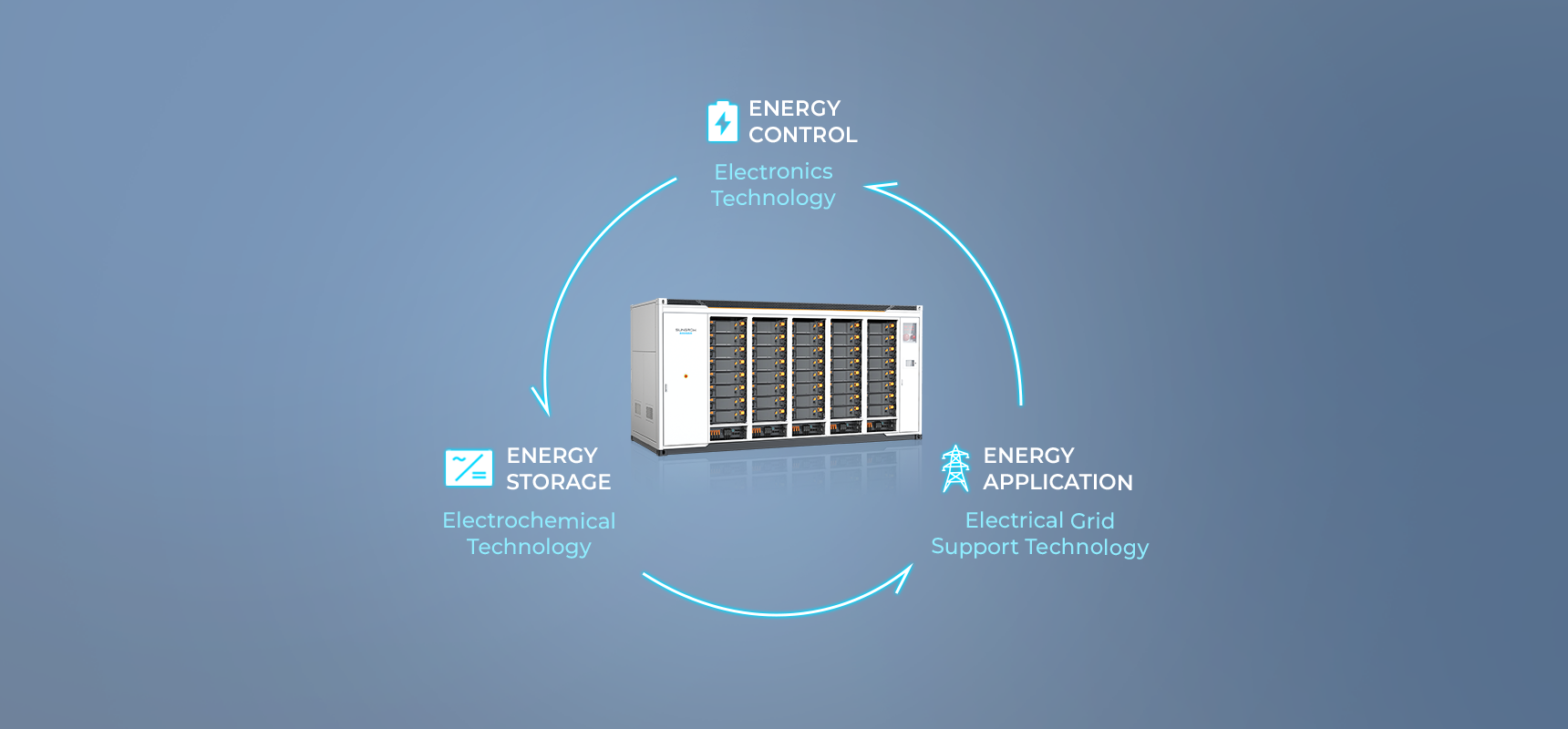
Real-world Impact
I want to leave you with three concrete metrics we use when vetting offers: 1) verified lifecycle cycles at site temperatures (not lab ideal), 2) end-to-end round-trip efficiency under load, and 3) mean time to repair for critical components (including spare parts lead time). Measure those, and you cut the surprises. I share this from a specific install in Q3 2019 where swapping to a modular BESS cut downtime from 14 days to 48 hours—numbers matter. Pick vendors that publish test data, support open standards, and show field references. We trust data; we move on facts. sungrow