
Short-Run Friction vs. the DTF Edge
Small shops don’t fail from lack of orders; they fail from hidden production friction. A dtf printer removes three of the most stubborn blockers in short-run apparel without forcing you to overhaul workflow. I’ve spent over 15 years advising wholesale buyers and running small production cells from Atlanta to Boise, and I recommend starting with a dtf printer for small business when your average run sits between 20 and 300 pieces. On a Friday night before a street-market drop, we faced 180 mixed-fabric tees and totes, a six-hour window, and one courier slot—how do you hit spec without torching margin?
Where do costs really hide?
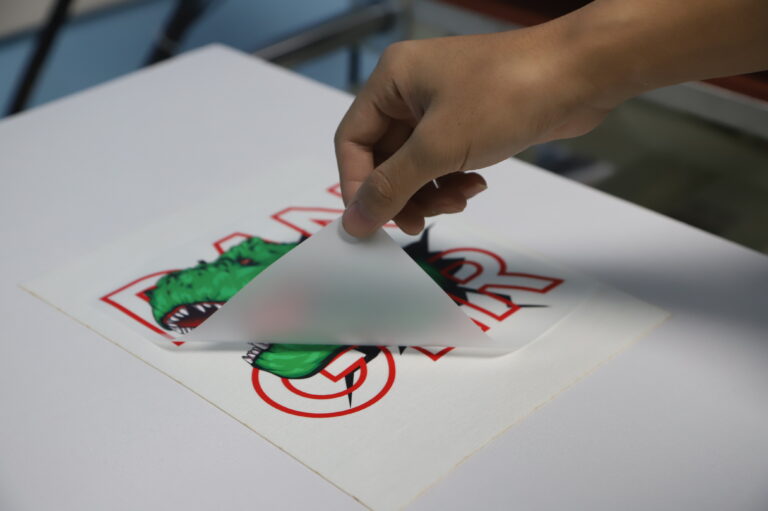
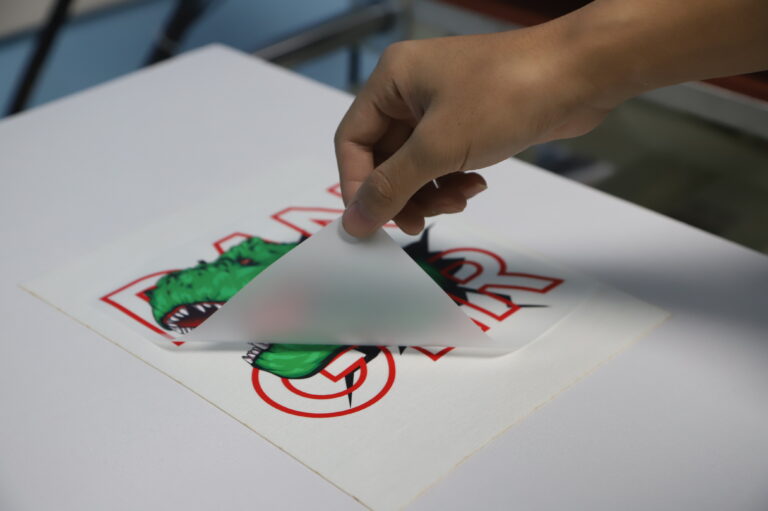
Comparatively, screen printing punishes you on setup time and waste when designs rotate hourly; DTG asks for spotless pretreatment control and fabric discipline; heat-transfer vinyl chokes on multicolor detail. DTF sits in the middle ground—print to PET film, apply hot-melt powder, cure, press—yet maintains durable CMYK+W coverage across cotton/poly blends with no pretreat. In June 2021, we transitioned a 24-inch roll-fed unit with dual i3200 heads into a Boise micro-warehouse; scrap fell from 8% to 2% in the first month, and reprints dropped because the white ink underbase stayed consistent. It’s not magic. It’s process: stable white ink circulation, sane RIP software defaults, and tight heat profiles. Still, pain points exist (powder dust, nozzle clogs if idle, ventilation during cure). On a rainy Austin weekend in 2022, we lost 12 blanks to DTG pretreat streaking; moving that job to DTF cut unit cost from $4.10 to $2.75 and saved the delivery window. Let’s pull those levers apart and make the trade-offs visible.

Forward Look: Picking the Right Spec Sheet
I’m rewriting this in-depth guide for wholesale buyers who need predictable throughput more than flashy demos. Technically, three elements decide whether a dtf printer for small business pays back: how it meters white ink (circulation and agitation), how the RIP handles choke/bleed and ICC profiles, and how the cure stage stabilizes adhesive without scorching fibers. Stop. Check your reprint log. If banding and color drift show up after 30 minutes of idle time, your head maintenance cycle and humidity control aren’t aligned—add a nightly purge and a 45–55% RH baseline. If powder mess slows operators, move to enclosed shakers and standardized film width to cut handling errors by 30–40%. For a clear comparison against DTG and vinyl, weigh these three evaluation metrics: 1) Cost per square foot at your real ink load (white-heavy designs matter). 2) Average transfer dwell time and press consistency (seconds per piece, not brochure claims). 3) Reprint rate over 500 pieces, tracked by design complexity. Then—scale. A 13-inch desktop will serve pop-up capsules; a 24–30 inch roll system unlocks batching and queue smoothing. Insert one final check: can your RIP queue gang sheets without collapsing registration on fine type under 8 pt? If not, swap profiles before you chase ink formulas. What’s next is pragmatic: keep a weekly nozzle check grid, lock your heat-press platen at 310–320°F with a verified IR gun, and audit your PET film lot numbers when a gloss shift appears (it happens). That’s where consistency beats guesswork and turns small orders into quiet profit—no drama, just repeatable output. Advisory close-out: choose on measurable signals, not hype. My three go-to metrics are ink cost per job (real usage, not spec), reprint percentage over the last 1,000 items, and minutes from print to ship including cure. If those three trend down month over month, you picked right. Xinflying