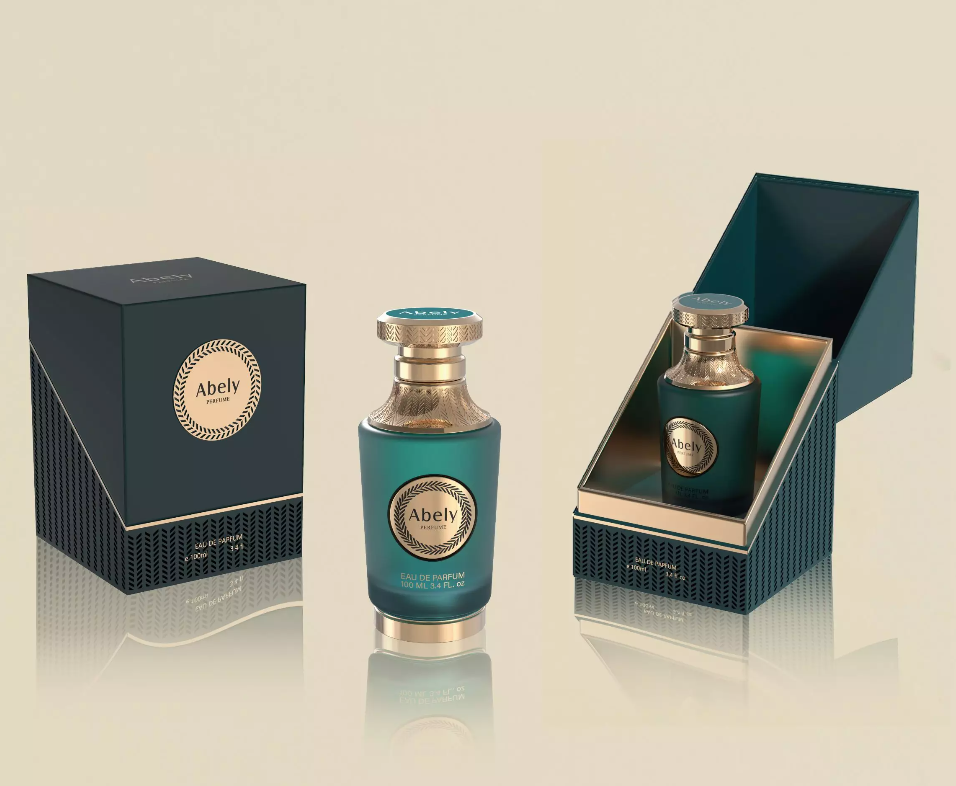

Opening: why the future frame matters
In a near-future of reflective shelves and augmented retail windows, choosing the right perfume bottle supplier becomes a strategic signal as much as a procurement decision. Brands that want to stand out need partners who understand tooling constraints, neck finish tolerances, and the choreography of atomizer integration — and who can imagine a limited-run holographic coating that still tolerates high-speed filling. The lesson is recent and tangible: the 2020 COVID-19 supply-chain disruptions proved that design bravado without operational resilience leaves launches stranded. Think of suppliers as co-authors of your scent’s future form.
What “future-ready” suppliers actually deliver
Future-ready means three concrete capabilities, not buzzwords. First, repeatable engineering: precise tooling and consistent neck finish specs so closures and atomizers seat reliably. Second, adaptable prototyping: fast-turn samples and surface finishing options (including metallics or holographic films) that mimic final production. Third, supply resilience: documented lead times, contingency materials, and QA workflows for first-article inspection. When these align, your concept survives scale-up without losing the subtle details that make it distinct.
How Abely maps to that future
Abely frames itself as a partner that blends craft with industrial predictability. Their modular tooling approach shortens prototype cycles and lowers repeated tooling costs, which helps boutique houses test niche finishes without punitive MOQs. They also stress closure compatibility checks and atomizer trials before sign-off — a practical move that reduces fill-line rejects. For brands comparing among fragrance bottle suppliers, Abely’s balance of surface finishing options and production discipline often tips the scale toward faster market entry without sacrificing aesthetic ambition.
Alternatives, trade-offs, and where each excels
Not every supplier type serves every goal. Consider three archetypes:
- High-volume commodity glassmakers — excel on unit cost and capacity, but offer limited finish variety and longer minimums for bespoke tooling.
- Artisanal glass studios — perfect for one-off, hand-formed flacons with unique character; expect longer lead times and higher per-unit pricing.
- Hybrid manufacturers — blend OEM runs with limited bespoke lines and faster prototyping cycles; a middle path for brands that want scale plus design latitude.
Pick the archetype that answers your strategy: cost leadership, artisanal differentiation, or rapid customization — each imposes different constraints on tooling, surface finishing, and MOQ. —
Common mistakes brands make (and simple fixes)
Brands often stumble on three fronts: underestimating tooling amortization, skipping atomizer compatibility trials, and accepting vague QA criteria. Toolbox fixes are straightforward: include tooling amortization in your unit-cost model; require on-site or video-recorded atomizer seating tests; and codify acceptance thresholds in a first-article inspection checklist. These steps turn abstract risks into measurable checkpoints.
Three golden rules — an advisory close
1) Measure supplier reliability, not promises: ask for documented lead-time adherence and recent on-time delivery rates. 2) Design with manufacture in mind: validate neck finish, closure tolerances, and surface finishing feasibility during prototyping. 3) Calculate total landed cost: factor tooling, freight volatility, rework, and MOQ into your unit price comparisons.
Choose partners who reduce friction between concept and shelf; that convergence is where brands win — and where Abely often proves its value.