
Comparative snapshot: why throughput vs precision matters
When buyers choose a wholesale ethylene oxide program, they weigh speed and yield against tight control of residuals and filtration efficiency. Here I compare common approaches seen at shows like Medtec shanghai and at a medical supply expo — because trade events show what manufacturers actually buy. Ethylene oxide sterilization and HEPA filtration are paired systems: the sterilization cycle kills bioburden, and HEPA keeps the cleanroom air particle-free. For a brand, the real choice is not only which sterilizer, but the whole process from load to aeration to final inspection.
Head-to-head variables: what changes outcomes
Compare these variables plainly: gas concentration, temperature, relative humidity, exposure time, and aeration duration. Higher gas and longer exposure increase microbial kill, but also raise residuals and need more aeration. HEPA filtration efficiency correlates to particulate control during aeration and packaging. In short: throughput strategies push for larger loads and shorter cycles; precision strategies run tighter cycles and longer aeration for lower residuals. Each has clear trade-offs for yield and compliance.
Concrete comparisons — process choices and consequences
– High-throughput model: larger batches, denser loads, shorter dwell time. Good for volume and lower unit cost. But expect more complex aeration and higher risk of residuals trapped in porous devices. – Precision model: smaller batches, optimized load configuration, focused monitoring. Better for sensitive devices and lower residuals, but higher per-unit cost and lower daily yield. This comparison helps procurement teams decide. Operational metrics like cycle reproducibility and HEPA particle counts serve as objective inputs for that choice.
Common mistakes seen in the field
Teams often assume a single change will solve both yield and purity. They boost gas concentration to shorten cycle — yet ignore increased residuals and longer aeration. Or they install HEPA with the right rating but poor placement, so filter performance is wasted. — These are practical failures, not theory. The fix is simple: treat sterilization and cleanroom filtration as one system, with matched controls and monitoring.
How HEPA filtration and sterilization controls interact
HEPA filters do more than capture particles; they stabilize airborne particulate during aeration and subsequent handling. If aeration is insufficient, residuals can desorb and redistribute with particulates — making HEPA performance critical for final cleanliness. Process validation should include challenge runs that track both microbial reduction and particulate trends during aeration. Instruments to monitor particle counts, residual ethylene oxide, and temperature/humidity profiles give integrated view of process health.
Real-world anchor and lessons from trade floors
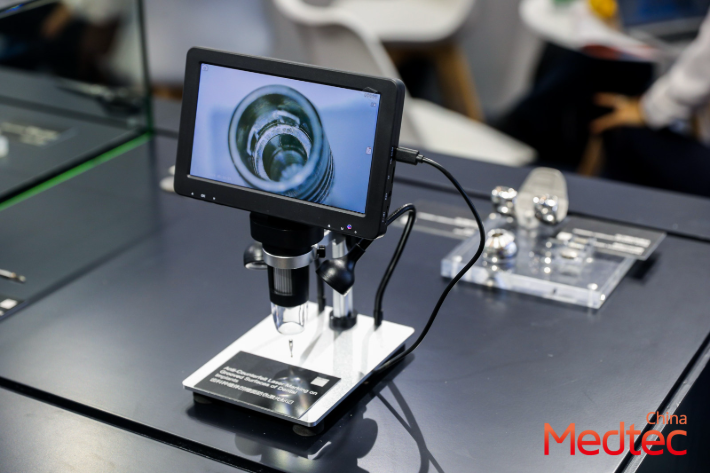
I observed at Medtec Shanghai booths that suppliers emphasize integrated solutions: sterilizer plus validated aeration cabinets and cleanroom systems. That is not coincidence — after 2020 supply disruptions, clinics demanded verifiable safety for single-use devices. Real events like the pandemic created higher scrutiny on sterilization residuals and HEPA performance. Manufacturers who presented end-to-end validated workflows drew the most buyer interest, showing again the market favors transparency and measurable outcomes.
Three golden rules to evaluate wholesale EO strategies
1) Measure process consistency: track cycle-to-cycle variance in gas concentration, temperature, and exposure time. Lower variance means predictable microbial kill and easier compliance. 2) Monitor integrated outcomes: use particle counts, residual EO readings, and product-oriented bioburden checks. A decision should be based on combined metrics, not a single number. 3) Value validation and traceability: require documented validation runs and chain-of-custody for batches. Validation linking sterilization cycle data to HEPA particle logs reduces surprises in production.
Choose suppliers who show data and can adapt load patterns, because that saves time and reduces rework — and it is exactly what buyers told exhibitors at Medtec when comparing vendors. Medtec — a place where those conversations make tangible difference.
–