

A Night Ride, a Number, and a Crossroad
You coast past a row of bikes under streetlights, the city humming like a bassline under your gloves. You’re eyeing a cruiser motorcycle at a red light, paint catching the last sun. A recent rider survey says many new owners swap bikes within 18 months, often because the fit and feel miss the mark—too heavy in traffic, too flat on the highway. So here’s the question that matters: when the music turns from idle to open road, do you choose torque that tugs or geometry that calms? I’ve watched riders fall for chrome, then wrestle with a long wheelbase on tight streets (we’ve all been there). The torque curve, the rake angle, even the trail number shape the way a bike holds a line and breathes through corners. Yet spec sheets don’t tell you how your shoulders relax—or don’t—after an hour.
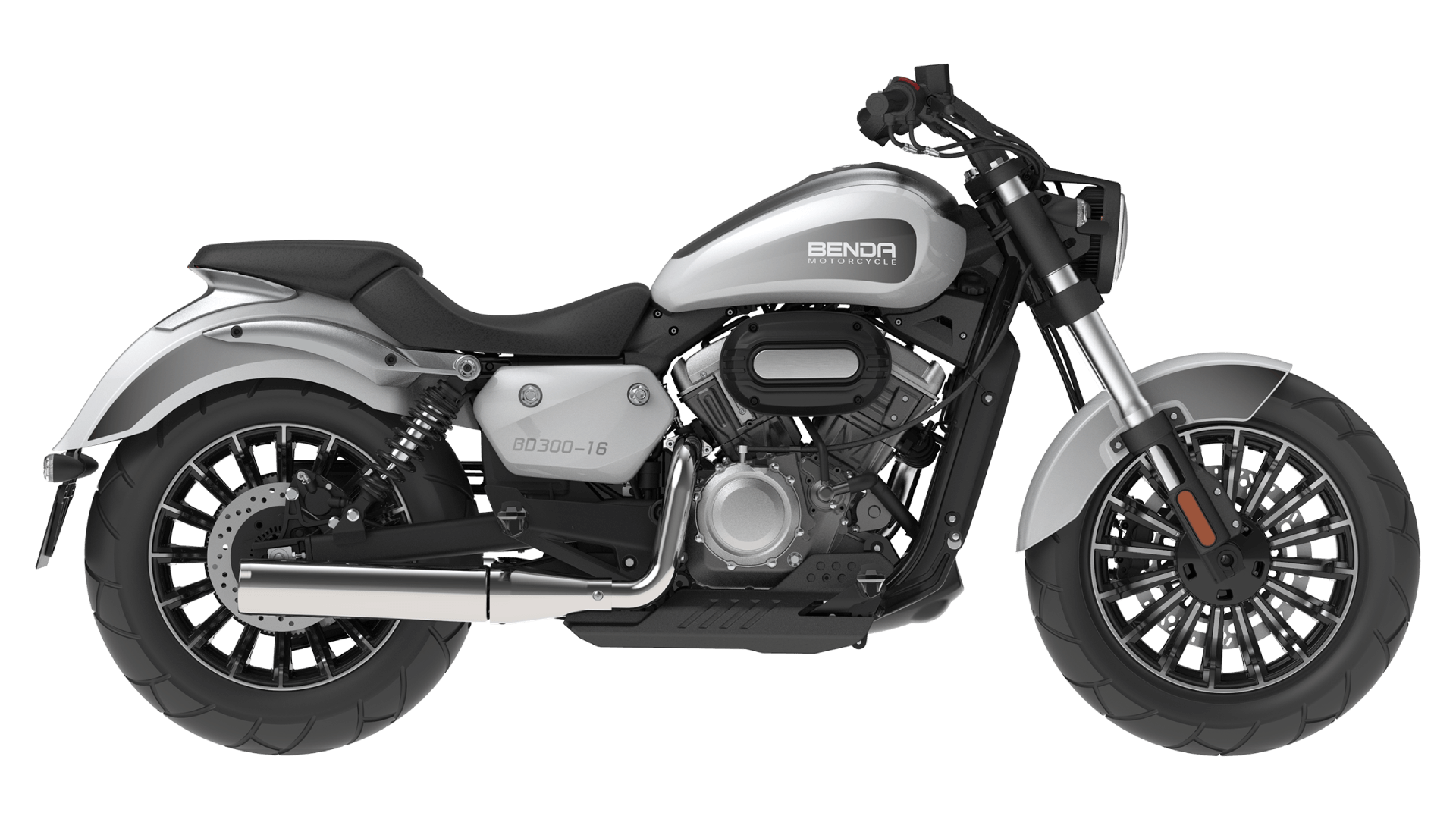
Think of it as a mix: soul, stats, and small truths. Some of those truths are hidden in plain sight, like how a softer rear shock can mask poor weight balance, or how a tall bar setup steals leverage at low speed. This isn’t about shaming old habits. It’s about learning the notes so the ride sings. Let’s glide into what trips people up, and how to sidestep it—easy now, roll on to the next verse.
The Hidden Friction Behind the Shine
What keeps riders stuck?
Here’s the quiet snag with the buzz around top cruiser motorcycles: we chase looks and brochure power, then ignore daily load—the commute, the heat, the weird stop-start rhythm. Traditional advice says “more displacement, bigger comfort.” But in practice, long days reveal hidden pain points. A steep rake angle can twitch at low speed. An overlong wheelbase can feel majestic on the highway but clumsy in parking lots. Belt drive is clean, yet paired with the wrong gear ratio it lugs in city gears. And that comfy seat? If the foam sags, your tailbone takes the hit after mile thirty—funny how that works, right?
Let’s get direct. Many riders also misread throttle-by-wire response and mistake ECU tuning for “character.” A soft initial map can hide jerks; a harsh one can fake excitement. ABS helps in panic stops, but mismatched tires change how it speaks to the road. Heat from a rear cylinder cooks your calf in summer traffic. Look, it’s simpler than you think: your real enemy is cumulative strain, not peak horsepower. The fix starts with attention to the torque band you use most, brake feel you can modulate, and a reach-to-peg triangle that doesn’t pitch your back. Translating this to the showroom is the next riff.
From Chrome to Code: How New Cruisers Solve Old Pain
What’s Next
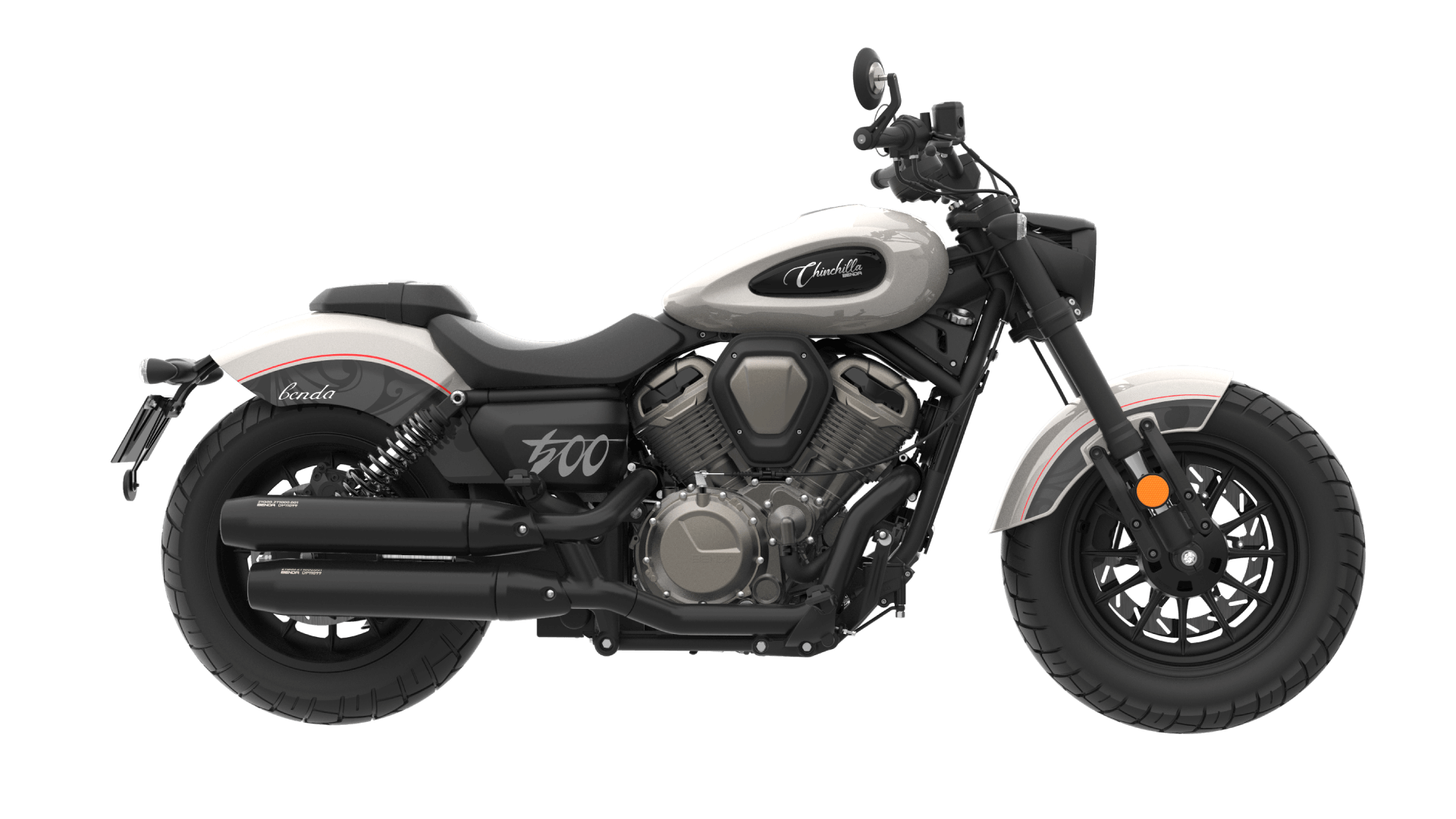
Forward-looking cruisers are reshaping the ride with quiet tech that eases the long haul—without killing vibe. New frames mix lighter alloys to trim unsprung weight, so slow-speed balance feels less like a tug-of-war. Modern ECUs use refined maps that smooth the midrange where you live, not just the dyno peak. Cornering ABS and better caliper modulation make panic stops less dramatic, and yes, you can feel it. Even simple upgrades like adjustable clutch span and a slipper-style wet clutch reduce hand fatigue. When you compare an old-school setup with a newer motorcycle model, the difference shows up in tiny moments: a cleaner roll-on at 3,000 rpm, lighter steering at walking pace, cooler legs in traffic—small wins that add up.
Let’s bring it home with a comparative lens. Legacy designs lean on long wheelbase and heavy flywheels for calm. The new wave keeps the calm but shifts how you get it: better heat management, smarter airflow, CAN bus diagnostics for quick fixes, and ride modes that tweak throttle ramps without killing the bass note of the engine. This isn’t hype; it’s a new toolkit for the same old dream—long road, low seat, steady heart. The lesson so far: your comfort lives in the mid-band, not the brochure peak; geometry is a voice, not a number; and software now plays rhythm guitar. — and yes, it still feels like a cruiser.
Advisory close: when you pick your next ride, judge three things with a clear head. One, usable torque at 2,500–3,500 rpm, not just peak power. Two, loaded fit: seat height, reach, and peg drop with your actual gear on. Three, control confidence: brake bite and ABS behavior on imperfect roads. If those three sing together, the rest is just color and chrome. Keep listening, keep learning, and let the road shape your taste, not the showroom lights. BENDA
