
Introduction: A Mirror Moment, Real Numbers, and the Big Question
You catch your reflection in the elevator—bright lights, straight-on view—and the lines across your forehead look deeper than they did yesterday. Your friend mentions forehead wrinkle filler over lunch, and you nod, half-curious and half unsure (been there). Last year, millions chose hyaluronic acid fillers, with strong satisfaction scores and typical results lasting 6–12 months—steady, reliable, and you bet, trackable. But here’s the rub: numbers are one thing; your face is another. Will the plan fit your brow shape, muscle pull, and daily expressions? And if you compare photos, do they show what matters, or just better angles and softer light?
Let’s set a clear baseline, then compare what changes most—so choices feel calm, not rushed.
Part 1: Reading “Before” and “After” the Smart Way
Why do some before-and-after photos feel persuasive while others fall flat—funny how that works, right? Start with what “before” really means. Many foreheads show dynamic rhytids from the frontalis muscle, plus fine static lines etched over time. In a true comparison, the head position, lighting, and expression should match. No surprise half-smiles lift brows and hide lines. That is not an “after.” It’s a different pose.
Next, track what “after” should reveal. You want smoother skin texture and less accordion-folding when you raise your brows, yet you still want natural movement. The filler’s viscoelasticity and G’ (elastic modulus) matter: too stiff and the forehead can look “board-like”; too soft and lines rebound when you animate. Look for consistent brow height, similar ambient light, and a neutral gaze. If the after photo shows makeup, consider how it can blur fine detail. And check edges near the temples and hairline; uneven volume there can change how the central forehead reads. The goal is balance—calm skin, honest motion, and results that tie back to a matched, controlled “before.”
Part 2: The Deeper Layer—What “Before and After” Often Hides
Where do traditional fixes fall short?
Let’s get technical and practical. Many galleries of forehead wrinkle filler before and after look great at a glance, but the tricky parts hide in plain sight. Lighting can mask shallow ripples; angled shots can erase small shadows. Look, it’s simpler than you think: focus on motion frames. Ask how your brow behaves when you talk, read, or drive. Traditional approaches sometimes chase every line with needle boluses, but that can raise the risk of Tyndall effect in thin skin, or create a stiff sheet that blocks normal expression. Injection depth must be consistent—often supraperiosteal for structure—while surface “polishing” should be light to avoid lumps.
There are safety nuances, too. The forehead has vessels you do not want to meet. A microcannula can lower bruising risk, but placement still demands care. Product choice matters: rheology and cohesivity should match how your frontalis moves. If results skew puffy on day two, it may be water uptake, not “too much product.” And if something looks off, hyaluronidase can correct HA-based filler—good to know, and yes, that can be a big deal. The honest takeaway: great outcomes balance plane, product, and pattern. The most dramatic “afters” on a static face may not be the best “afters” in real life.
Part 3: Looking Ahead—Tech Principles That Lift Results Without Lifting Brows
What’s Next
Building on that deeper read, the next wave leans on new technology principles. Today’s hyaluronic gels fine-tune cross-linking for targeted G’ and shear-thinning behavior, so they glide during placement yet hold form under everyday movement. That helps the forehead keep soft animation without “Jell-O” recoil. Ultrasound mapping is also entering routine practice to spot vessels and confirm plane—fewer surprises, more confidence. Combine that with microcannula passes for broad, smooth planes, or tiny microbolus maps for etched creases. Cohesive, lower-hydrophilicity blends reduce swelling in thin tissue. And when plans include hyaluronic acid for forehead wrinkles, you get a safety valve: reversible, precise, and predictable (not a small thing).
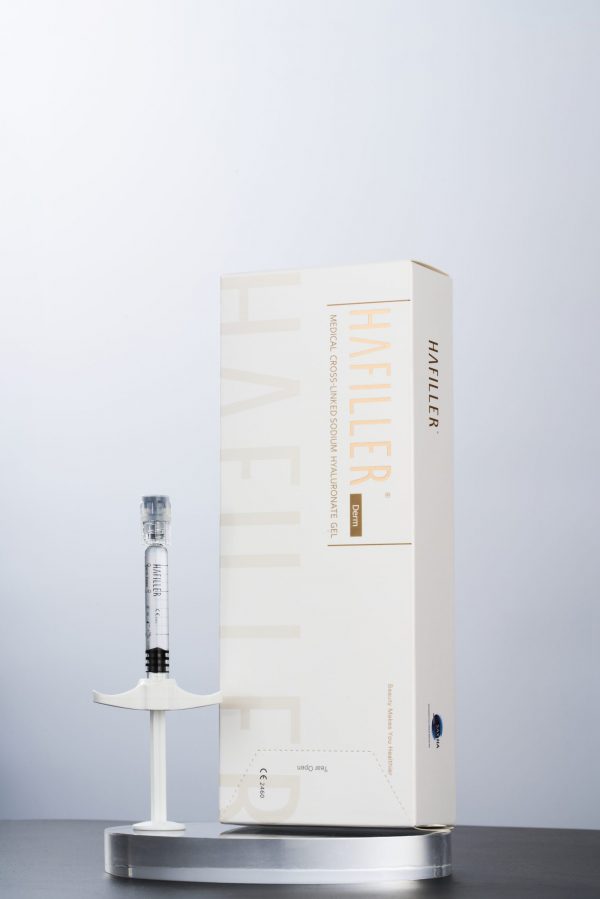
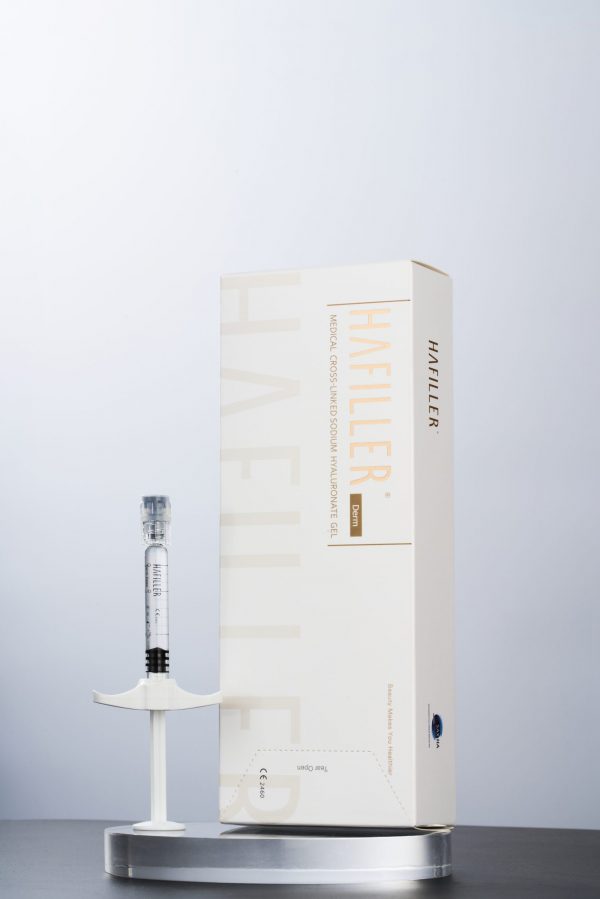
Let’s compare where we’ve been with where we’re going. Earlier sections showed how matching expressions and managing depth create honest “afters.” The forward look adds tools that standardize that honesty—rheology matched to muscle pull, ultrasound to improve safety margins, and lighter polishing for texture over bulk. To choose well, use three tight metrics: 1) Match the filler’s G’ and cohesivity to your movement pattern; 2) Confirm injection plan and plane (needle vs microcannula, ultrasound if available); 3) Ask for motion-based images, not just stills, to test results under real life. Evaluative close: expect smoother skin, preserved expression, and fewer touch-ups—measurable wins that feel natural day to day. For more on material profiles and practical planning, see resources from HAFILLER.