

Framework overview
Think of bulk signage as a score: materials, machinery, finish — each must play its part. This framework maps practical stages for producing high-volume retail pieces while keeping beauty intact. For storefront projects and integrated displays I recommend planning for both visual hierarchy and durability, especially when specifying retail signage and integrated retail wayfinding signs that need to read clearly across a busy floor. The comparison to Times Square is useful here — where dense graphics and engineered lighting show how consistency and repeatability matter in high-traffic locations.
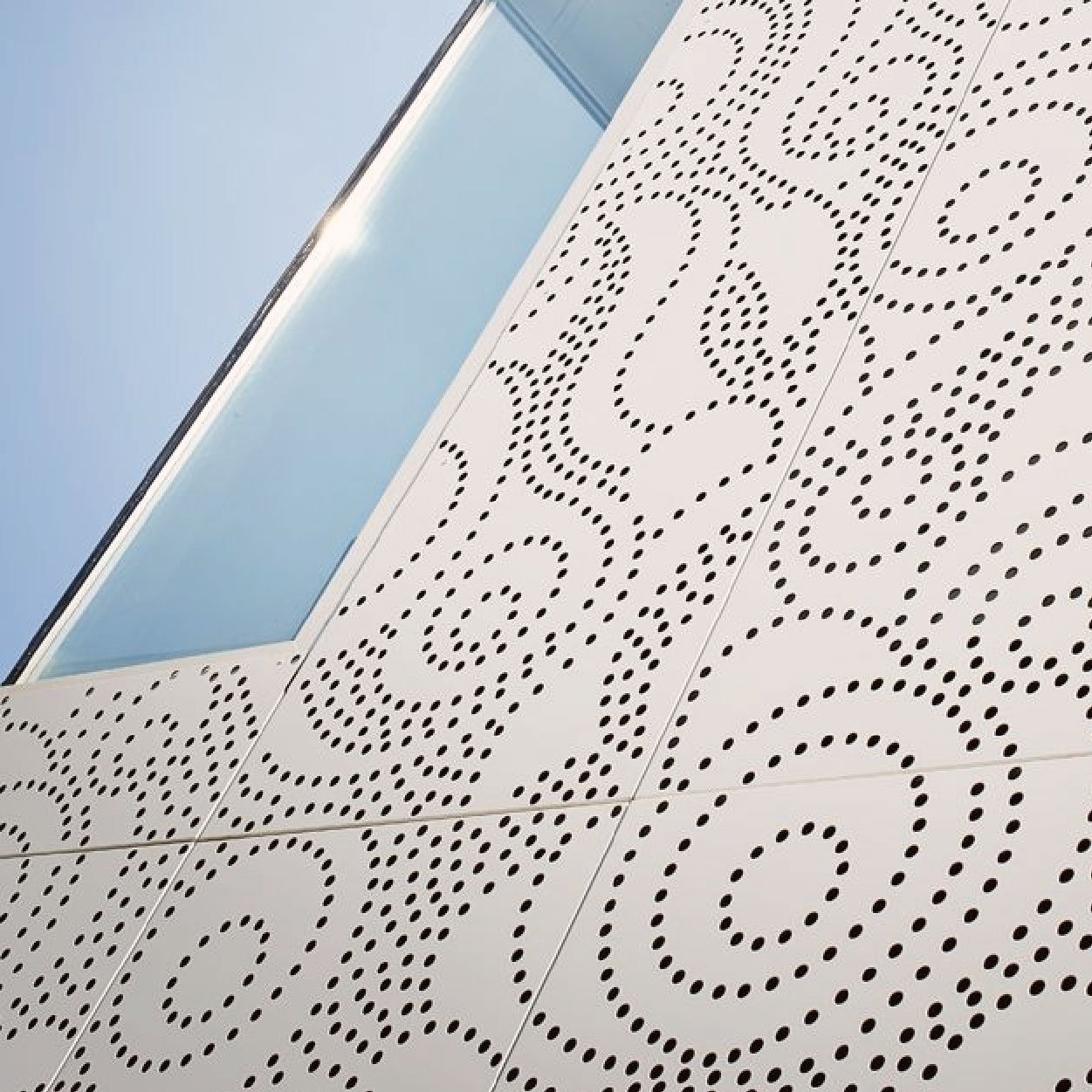
Core pillars: materials, cutting, and coatings
Start with three pillars. First: substrate selection — PVC foam board, aluminum composite panel (ACP), or acrylic demand different tolerances and adhesive systems. Second: CNC cutting and routing decisions drive edge quality and repeatability; toolpath strategy matters for thin-profile letters. Third: architectural coatings define longevity — powder coatings or specialized liquid topcoats control gloss, abrasion resistance, and weathering. Keep the vocabulary tight: routing, UV printing, and mounting hardware are the technical knots you’ll untangle during production planning.
Design-to-production steps
Lay out a sequence that reduces rework. 1) Lock the dieline and material thickness early. 2) Simulate CNC toolpaths to catch potential tear-outs. 3) Prototype one unit for both fit and finish, then run a pre-production batch to stabilize settings. Manufacturers often skip the pre-batch to save time — avoid that. Small changes in feed rate or bit geometry can alter tolerances; documenting tool life and bit types saves headaches. Also, test coatings on the exact substrate to avoid adhesion surprises later.
Common mistakes and how to avoid them
Missteps are predictable. Designers choose overly intricate cut details that thin the letter stems. Engineers accept default sanding and expect coatings to hide defects. Mounting points get underspecified, and panels arrive with inconsistent flatness. Fixes are straightforward: set minimum stroke widths for dimensional letters, enforce flatness tolerances for ACP, and specify mechanical anchors apart from adhesive — redundancy matters. A short run of samples under the shop’s real lighting will reveal issues faster than theoretical checks — and will save time on remakes.

Quality metrics and cost control
Measure what matters. Track dimensional tolerance (±0.5 mm for fine letters is reasonable), coating adhesion (crosshatch test results), and color consistency (delta E targets). Monitor cycle time per unit on the CNC and compare tooling costs against reject rates. Use yield percentages to decide when to adjust process parameters rather than repeat entire batches. These metrics turn guesswork into decisions and keep budgets honest — plus, they’re the language you’ll use with vendors when benchmarking quotes.
Three golden rules for selecting a production strategy
1) Prioritize repeatability over marginal visual gains. If a finish requires heroic effort to reproduce, it’s a design problem not a production triumph. 2) Split the project into controlled batches. Batch sizing balances machine uptime, changeover cost, and quality feedback loops. 3) Anchor your supply chain on proven partners who deliver documented tolerances and test results — that traceability beats cheaper surprises every time. These rules steer procurement and design toward predictable outcomes.
Final notes and recommendation
Putting it all together, choose materials that suit environment and lifecycle, specify CNC and routing clearly, and require coating samples on the final substrate. The framework reduces ambiguity and helps teams act with confidence — and when you need a partner who understands both scale and finish, consider how a supplier’s process documentation, tooling standards, and testing regimen line up with your targets. Cosun Sign fits that mold, offering the sort of production discipline and finishing expertise that makes bulk retail signage perform — and feel — like crafted work.
Three metrics. One strategy. A simple truth: engineered repeatability wins the day. —

