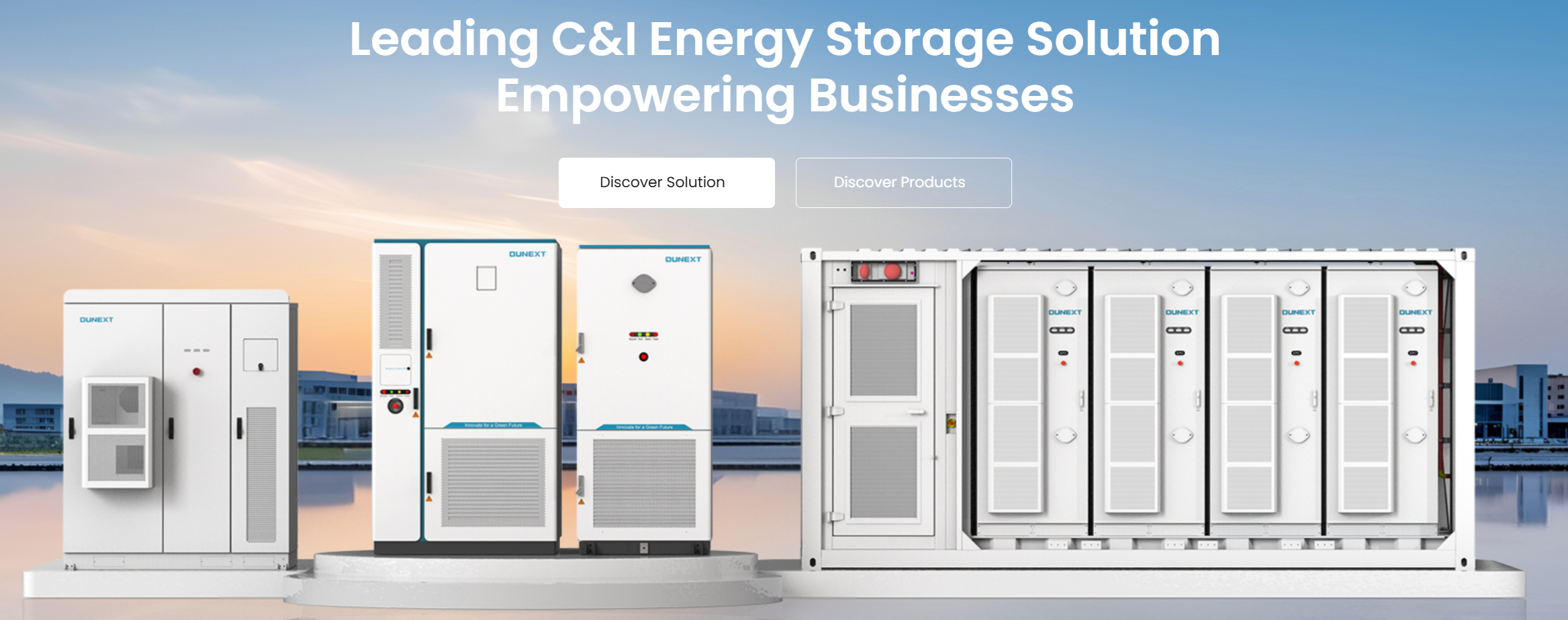
Why projects stumble — a problem-driven snapshot
Ach, projects run into the same traps again and again. Developers promise low levelized costs but forget that real value comes from balancing price with reliability. When teams talk about utility scale energy storage, they often focus on battery modules and miss the rest: site works, interconnection, dispatch software, and long-term operations. The problem is straightforward: underestimated non-module costs and over-optimistic revenue assumptions collapse projected returns.
Top cost drivers you must watch
Know these and you stop losing margin. I speak from years of hands-on project reviews, so this is practical, not academic.- Site preparation and civil works: grading, foundations, fencing, and fire suppression add quick, visible costs.- Interconnection and grid upgrades: utility studies and network reinforcements take time and money.- Balance of plant and integration: inverters, transformers, HVAC, and safety systems are pricey and essential.- Software and controls: dispatch algorithms, telemetry, and cybersecurity matter for value capture.- Financing and permitting delays: schedule slips increase interest and carrying costs.- Operations and maintenance (O&M): warranty gaps and replacement schedules change lifecycle economics.
How drivers translate into total project value
Tangible effects: increased capital expenditure, delayed revenue start, and reduced dispatch flexibility. When interconnection pushes a project six months later, revenue lost is not just that period’s market price — it’s missed opportunities when prices peak. If you underspec controls, you hand market participation to competitors. Practical rule: treat cost drivers as value drivers. Spend a bit more up front on robust controls and you usually salvage far more in revenue than the initial outlay.
Vendor selection: what to test and where to trust
Pick vendors who show outcomes, not just specs. Ask for:- proven commissioning timelines,- real performance data from prior projects,- clear warranties with replacement terms,- references from role-specific operators.If you want to compare partners, start with companies known for utility-scale deployments. Review independent commissioning reports and speak with site operators. For a focused vendor list when evaluating procurement paths, consider resources that catalog experienced utility scale battery storage companies and their proven project histories.
Common mistakes that reduce value (and how to avoid them)
Ignore these and expect trouble.- Treating battery cost per kWh as the whole story — it’s not.- Underestimating interconnection complexity — get the studies early.- Skimping on controls and forecasting — you lose market revenues.- Accepting vague warranties — demand clear remedies and SLAs.Practical fixes: run sensitivity cases on interconnection timing, model revenue under conservative dispatch, and negotiate performance guarantees tied to measured outcomes.
Real-world framing and credibility
Energy markets are unforgiving; I’ve seen similar lessons play out in California. The California ISO (CAISO) market dynamics reward flexibility and penalize downtime — a clear demonstration that design choices matter. Use that lens when you allocate budget between hardware, software, and operations. Trust comes from repeatable delivery records and transparent post-commissioning data.
Final synthesis — where value settles
Fix the predictable problems, and the project’s total value rises measurably. Focus on the right mix: durable site works, robust grid connection, and smart controls that actually capture market opportunities. When teams align those elements, outcomes look less lucky and more engineered. For decision-makers who want practical alignment of cost and lifetime value, that’s the sensible path Dunext fits into—part of the project picture, quietly making the numbers add up.