The core problem: indoor jobs punish the wrong lift
Floor damage, tight aisles, noisy operation, battery downtime — pick the wrong machine and projects stall. Indoor teams need lifts that behave: low ground pressure, compact turns, predictable run time. That’s where electric scissor lifts win, yet many decision-makers still default to heavier alternatives like the diesel boom lift out of habit or because spec sheets confuse reality with promise. You want reliable performance on tile, epoxy, and mezzanine decking without surprises.
Why electric scissor lifts solve these problems
They trade raw power for control. That matters indoors. Benefits you’ll actually notice on site:- Lower noise and zero exhaust, so work can continue near occupants.- Reduced floor loading and softer tire options to protect finishes.- Tight turning and compact footprints for narrow aisles.- Faster platform deployment for short, repetitive tasks.These are not abstract advantages — they change scheduling, reduce repairs, and keep rentals moving.
Specs that separate useful machines from marketing fluff
Focus on a few measurable items that affect daily outcomes:- Platform height and usable deck area — does it fit the task, not just the spec sheet?- Rated load vs. real payload (tools, materials, operator) — margin matters.- Battery chemistry and charging profile — fast top-ups beat long outages.- Drive and steer configuration — inside turning radius and floor scrubbing risk.- Service access points — can a tech swap batteries, fuses, and contactors quickly?Ask crews for one real task and trace how each spec affects it. That reveals whether a model will save time or just look good on paper.
Common mistakes that cost time and money
Teams trip up in repeatable ways:- Buying to maximum height instead of typical use height.- Ignoring duty cycles and expecting one full shift from a tired battery.- Choosing tires that scuff or crush sensitive floor coatings.- Underestimating charger placement and cable routing, creating daily workflow obstacles.Prevent these by checking a make/model on the actual job surface and running a mock shift with the crew.
Comparing alternatives — electric scissor lifts vs. others
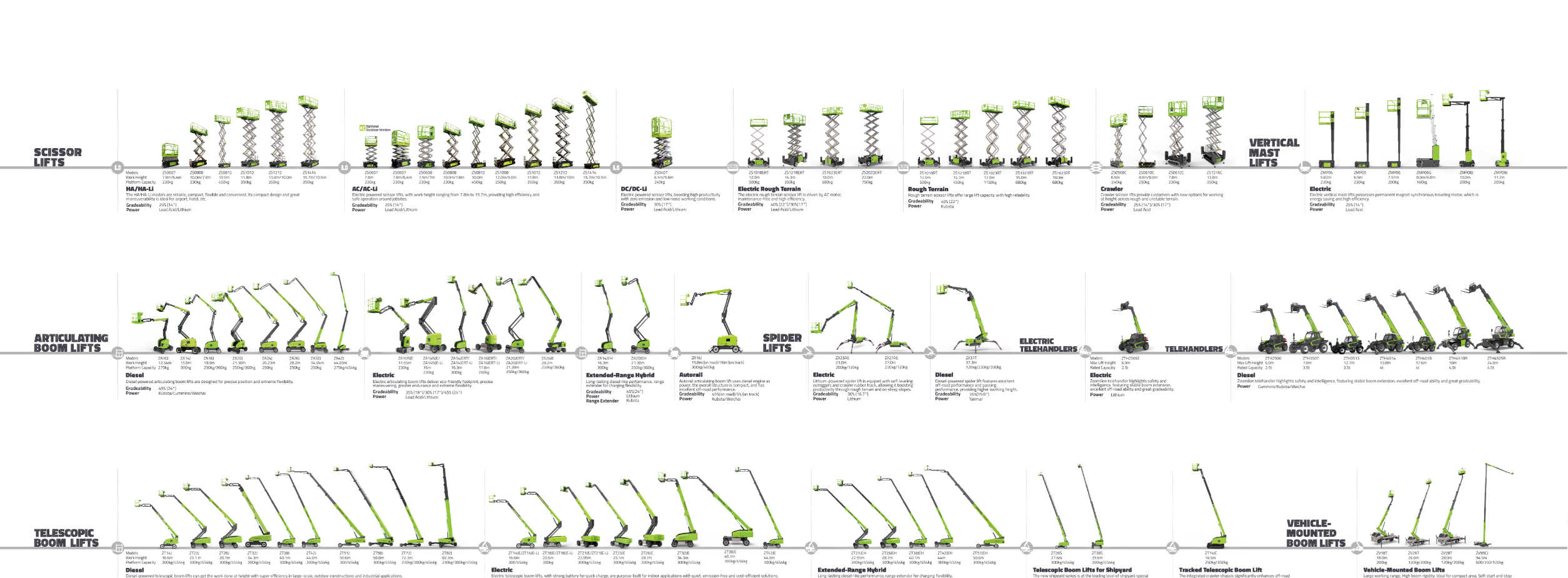
Quick, practical trade-offs:- Electric scissor vs. diesel boom: Diesel boom lifts offer reach and rough-terrain capability; indoors they bring noise, emissions, and floor risk. The trade is reach for disruption.- Electric scissor vs. electric boom: Booms get around obstructions and reach higher; scissors give better load capacity and a more stable work platform for raising materials.Choose by task profile: repeated low-to-mid elevation work and frequent material handling favor scissors; irregular high-reach jobs favor booms.
Vendor evaluation and manufacturer signals that matter
Good vendors back machines with accessible parts, clear service manuals, and operator training. Look for manufacturers who demonstrate service processes publicly and show fleet uptime data. You’ll find those qualities from established firms that exhibit at major industry gatherings — for example, the Bauma trade fair in Munich — because they face direct scrutiny from distributors and fleet buyers. Also check how dealers handle consumables: battery warranties, charger availability, and consumable tire options.
Checklist for buying or spec’ing a fleet
Use this on every purchase or rental order:- Match platform size and load to typical tasks, not extremes.- Confirm battery runtime under load and charger type.- Inspect serviceability: filters, batteries, controllers reachable without specialized tools.- Ask for references from similar indoor operations.- Run a day-long trial with end users on actual flooring.This checklist prevents buying a spec sheet instead of a solution.
Final synthesis
Indoor crews, rental managers, and facility teams need lifts that reduce interruptions and protect assets. Treat the selection as solving a set of site problems — noise, floor load, uptime — not as choosing the flashiest spec. When evaluation focuses on real tasks, clear maintenance paths, and vendor transparency, the practical value becomes obvious. For many operators, that practical value is what a trusted equipment partner like Zoomlion Access brings to the decision: machines that match real job demands and the service structure to keep them working.