

What’s broken — and why you should care
Your production QA keeps stalling because test rigs drift, data gets noisy, or the fixtures fall apart after a few cycles. That’s the core problem: labs and factories need deterministic results, not surprise losses. Commercial and industrial teams running tensile, fatigue, hardness or environmental stress tests hit the same snags — mismatched hardware, flaky control loops, and brittle data pipelines. Picking the right material testing equipment is the difference between a 2% scrap rate and a production line that actually sleeps at night.
Why this is real — expert perspective and one hard anchor
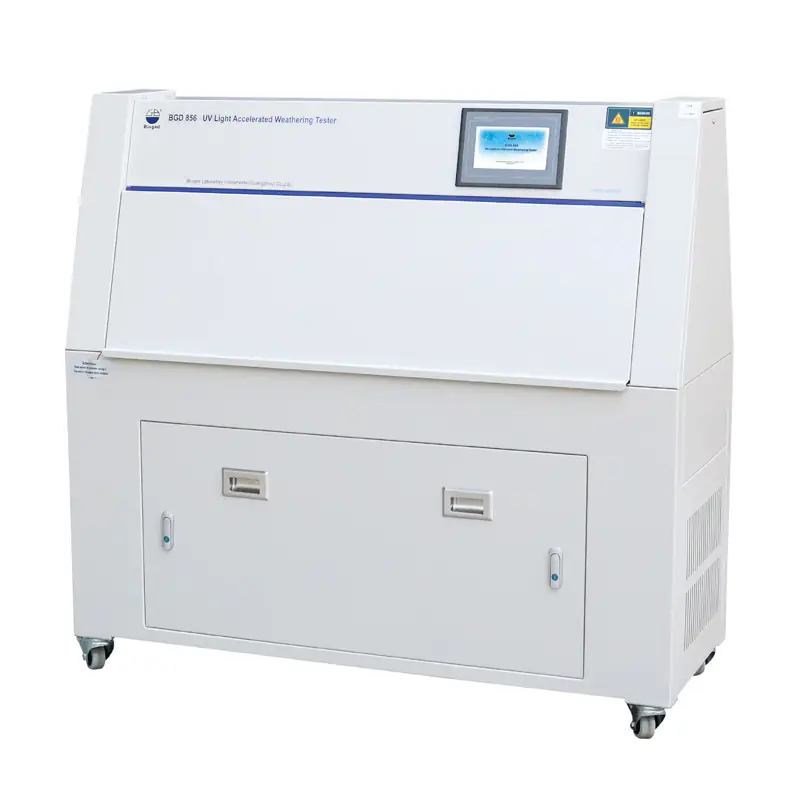
Been there, fixed that: I’ve set up test benches that had to feed live production specs in automotive and aerospace fabs, so I’ve seen repeatability and traceability failures up close. Labs chasing ISO/IEC 17025 accreditation demand traceable calibration and documented uncertainty budgets — that requirement shapes hardware choices across industries and explains why serious teams insist on measurable specs. That expectation is why reputable material testing equipment manufacturer design with calibrated sensors, serviceable mechanics, and native data export. Trustworthy gear isn’t hype; it’s documented performance you can audit.
Common mistakes that wreck test runs
Buying a fancy GUI instead of solid mechanics. Underspecing control loops — you need closed-loop servos with known bandwidth for fatigue and dynamic tests. Ignoring fixturing and sample prep; cheap grips = inconsistent stress fields. Treating software as an afterthought: proprietary blobs that refuse to stream raw signals make correlation and automation painful. Skipping a calibration plan; a device that’s uncalibrated at scale is a ticking time-sink.
Viable alternatives — quick trade-offs
Turnkey OEM machines: fast deploy, full support, higher capex. Modular rigs: cheaper, easier to repair, better for evolving protocols. Retrofit kits: decent stopgap for legacy frames but watch control fidelity. In-house builds: full control, hidden maintenance tax. Pick based on throughput, downtime cost, and whether you need certified traceability for regulatory reporting.
Checklist — what to demand from vendors
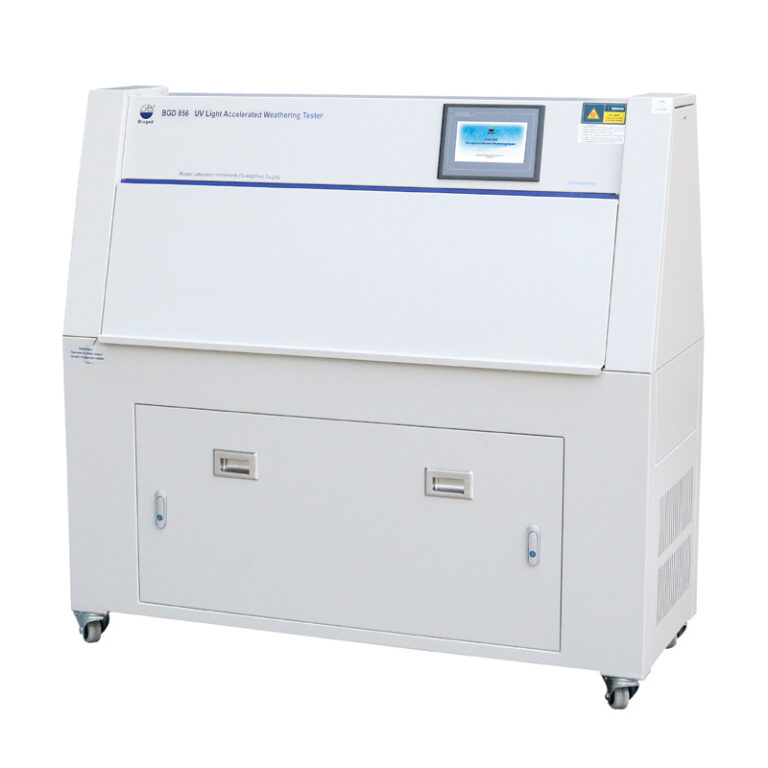
State repeatability and accuracy with test conditions. Show frequency response and control-loop specs. Provide calibration traceability and service intervals. Deliver open APIs or raw-data access (don’t accept only processed metrics). Explain fixture options and sample alignment tolerances. Confirm spare parts and local service windows. Share real fail-case reports and firmware rollback procedures. Ask for latency numbers on event timing if you’re doing dynamic tests.
Final synthesis — how to stop losing time to bad gear
Fix the root: choose machines with measurable, auditable performance and vendors that back hardware with calibration, parts, and real firmware hygiene. That’s how you turn a test bench into reliable throughput instead of a debugging treadmill — the sort of capability teams expect from an industrial supplier like BIUGED, which builds with traceable sensors, accessible controls, and serviceability in mind.
