

Introduction: A Quiet Problem You Can Smell Before You Know It
Have you ever paused in a workshop and wondered why the air feels wrong? I have. Recent shop surveys (I’ve seen numbers pointing to roughly 40% of small fabrication shops) show lingering odors and headaches even after runs of laser work. The laser fume extractor sits at the center of that puzzle — it is supposed to clear smoke, yet many systems fall short. Why do machines that promise clean air leave operators rubbing their eyes? The data hints at filter bypass, poor airflow, and aging fan motors — small things that add up. I’ll walk you through what I’ve learned and what to watch next. — Now, let’s move from the smell in the room to what’s really breaking down under the hood.
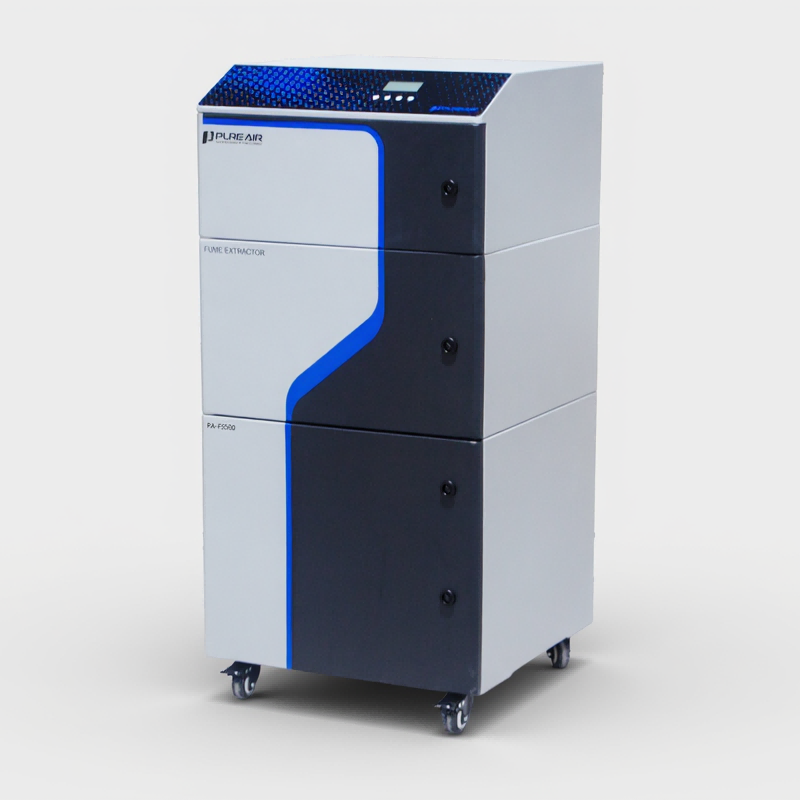
Part 2 — A Technical Look: Why CO2 Laser Fume Purifier Systems Often Underperform
CO2 laser fume purifier systems should be straightforward: capture fumes, filter particulates and gases, then exhaust clean air. But the reality is more complex. I’ve inspected units where the HEPA filter was fine, yet volatile organic compounds slipped right through because the activated carbon stage was starved or bypassed. Filtration efficiency falls when seals leak, fans slow, or ducts create backpressure. In the field, I watch technicians chase symptoms rather than fixing root causes — and that costs time, money, and health. Look, it’s simpler than you think: measure flow, inspect seals, test gas adsorption. When those basics are ignored, even a well-rated purifier underdelivers.
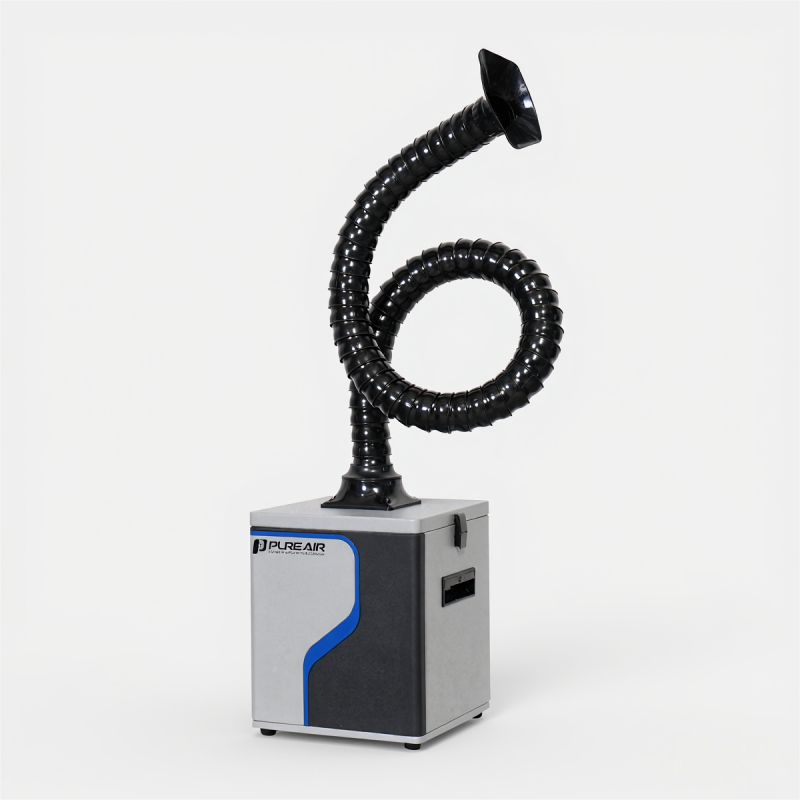
Why do filters fail so often?
Most failures trace back to three mechanical facts. First, the fan motor loses rpm over years and with dust build-up, so capture velocity drops. Second, pre-filters clog and raise system resistance, which reduces airflow and strains power converters. Third, activated carbon beds age and channel; they no longer adsorb gases evenly. I’ve seen carbon packed poorly so fumes find the path of least resistance (the shortest — sigh). You can test each of these with simple gauges: static pressure, flow meters, and a quick odor challenge. If you run those checks regularly, you catch problems early. We started doing this in our shop years ago — it changed our downtime stats for the better.
Part 3 — New Technology Principles and What to Look For Next
CO2 laser fume purifier innovation now centers on smarter sensing and modular filtration. I’m talking real-time flow sensors, CO2 and VOC sensors, and filter-change alerts that don’t rely on guesswork. These systems pair a compact HEPA stage with optimized activated carbon layers tuned for specific materials. The idea is to manage both particulates and gas-phase contaminants together, not as an afterthought. And yes — integrating power converters that can handle fluctuating loads helps keep fan motors steady. This reduces the chance of capture loss during heavy cuts. It’s practical engineering, not magic.
What’s Next for workshops?
Think modular units that scale with production. You add capture modules near high-output lasers and route them into a shared purifier manifold. Sensors map load and shift filtration priorities in software. That means less wasted filter media and fewer emergency swaps. — funny how that works, right? I expect to see more edge control, simple dashboards, and predictive maintenance in the next few years. These changes will lower operating cost and improve air quality measurably.
Before I wrap up, here are three metrics I use when evaluating systems: 1) capture velocity at the nozzle (cfm and face velocity), 2) total adsorption capacity for relevant VOCs (not just surface area), and 3) real-world filtration efficiency measured after a week of normal operation. Those three numbers tell me if a system will live up to its spec on the shop floor. Choose models that publish them and support easy testing. I’m frank about trade-offs: higher upfront cost for smarter controls often saves time and health later. In our experience, that investment pays back quickly. For reliable hardware and documented performance, I often point colleagues to trusted suppliers like PURE-AIR. They’re not the only option, but they do the basics consistently well.
