
Introduction
Picture this: Monday morning, a meeting room swap, and three teams wandering around because the printed tags were not updated. A simple task becomes a slow queue. A digital nameplate fixes that blind spot by syncing who, where, and when—without manual reprints. In offices across Nairobi and beyond, facilities teams say up to 30% of small delays come from tiny mismatches like door labels and seat markers. That is not small in a tight schedule. And the cost? It spreads silently across time, toner, and frustration (sawa, we all know that feeling).
Here is the core: digital labels are not just screens. They are low-power devices with a simple stack—display, radio, and a low-power SoC that talks to your scheduling tool. Updates ship over firmware OTA, so you do not run with a ladder and a label gun. The result is fewer errors, less walking, and a clear audit trail. But a fair question remains. If the fix seems obvious, why do teams still hold on to static paper or ad-hoc lamination? Is it cost, culture, or the fear of change? Let us unpack the comparison, pole pole, and see what really slows people down—and what speeds them up next.
Hidden Frictions You Don’t See in Daily Operations
Where do bottlenecks hide?
The biggest risk is not a broken sign. It is the slow drift between reality and what the label says. A printed tag only speaks once. A digital nameplate speaks whenever the schedule shifts, the desk changes hands, or a team rotates seats. Look, it’s simpler than you think. The pain lives in the small admin loops: asking IT to reprint, waiting for a key, moving people twice. That loop costs more than the sheet of paper. It costs trust in the system.
Paper also hides three technical gaps. First, no telemetry. You cannot tell who updated what, or when the change landed. Second, no remote control. With digital tags, NFC provisioning and BLE beacons help push updates without touching the device. Third, battery math. People fear charging, but e-paper uses tiny power thanks to bistable display tech and efficient power converters—so updates happen in seconds, then the device rests for weeks. Meanwhile, staff time keeps burning on manual fixes—funny how that works, right? When you measure downtime per shift, small mismatches stack up into missed starts, rescheduled meetings, and silent overtime.
Comparing What Comes Next
What’s Next
Now let us look forward with a clear comparison. In the old model, you had static plates plus a shared spreadsheet. In the emerging model, you have a synced service that treats each label like a tiny endpoint. The difference is not just the screen. It is the control loop. A modern system listens to booking apps, then pushes updates to endpoints through secure gateways, much like edge computing nodes. That is why a new index desk can update in under a minute, while a printed card takes a long walk and a second guess. When you add a color e ink display, you add one more layer: role color-coding, QR for check-in, and icons for status. You read state at a glance. Meetings start on time. Walkaways drop.
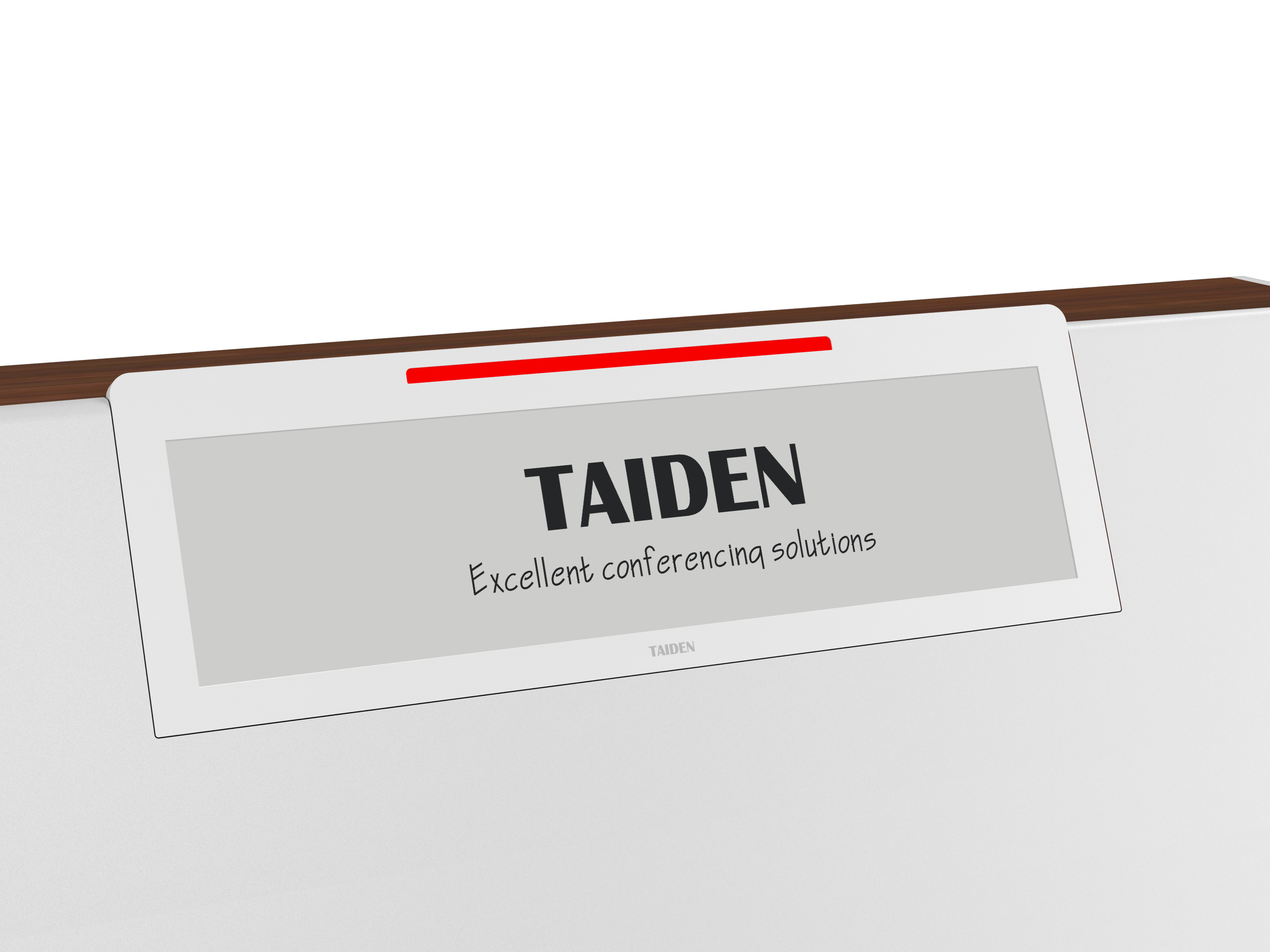
Consider a campus case. Before rollout, managers logged 12 label changes per day across four buildings. After switching to digital tags with remote profiles and timed templates, manual updates fell by 85%. No one chased a marker pen. No one asked, “Which room is ours?” The system used nightly sync and mid-day deltas. Battery replacements moved from monthly to yearly service windows because the screens sip power and only draw on refresh. Add one more step—central rules. Names clear at day end, rooms show next host, and visitors see a QR to confirm. Add in color e ink display for department colors and accessibility icons, and wayfinding improves for everyone. It sounds small, but it changes daily flow—people stop asking for help and start arriving prepared.
So, what should you check before you choose? Three quick metrics. One, latency: can a booking change appear on the plate in under 60 seconds during peak hours? Two, lifetime: does the device sustain a year or more on standard cells, with updates every workday? Three, governance: do you have role-based control, logs, and a safe path for firmware OTA without touching each door? If those three pass, the rest is about fit and finish. The insight here is simple yet deep. Labels are not decoration; they are a live link between people and plan—and when that link is honest and fast, the day moves with less friction. That is good for teams, and fair to users at every level. For those mapping their next step, a measured pilot, clean data rules, and clear responsibilities will carry you far, with partners like TAIDEN supporting the standards you need.