

Introduction — a short scene, a data note, and the question I keep asking
I remember stepping offstage one rainy night, palms buzzing from the lights, and thinking my body deserved a softer kind of glow. In those moments I began chasing recovery tools, and I ran into commercial red light therapy bed sessions at a local clinic — they promised faster muscle recovery and better skin tone. Clinical reports often note measurable changes in collagen markers and reduced inflammation after consistent use (many studies track results over 4–12 weeks), so the numbers are tempting. But do these big, glowing chambers actually match the hype for day-to-day people like me, or are they mostly theatre lighting for wellness? I’ll walk you through what I’ve learned — small confessions included — and then dig deeper into the real issues we don’t talk about. — Let’s move on to the problems beneath the surface.
The deeper layer: why mainstream fixes stumble with whole-body red light
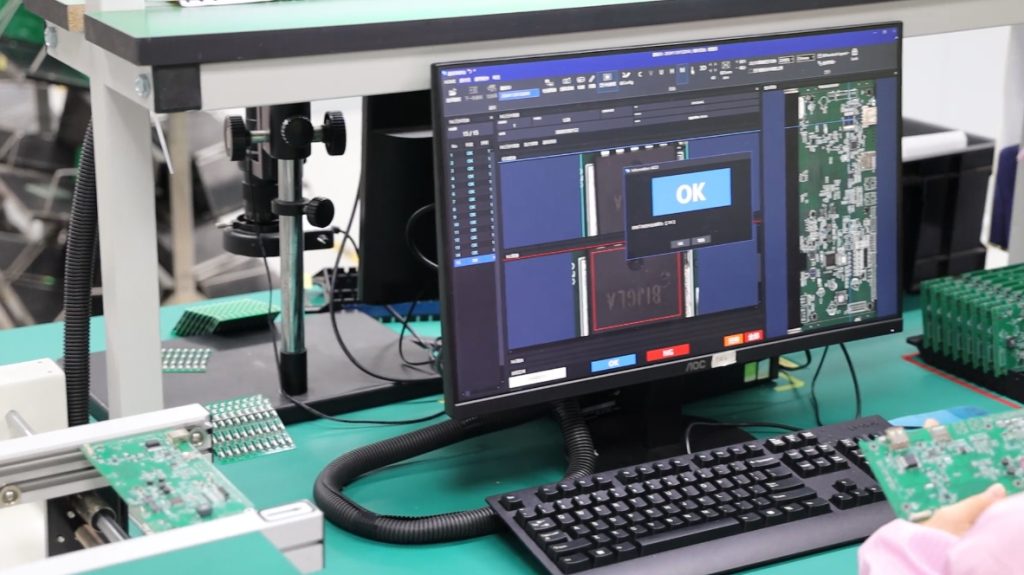
Whole body red light therapy bed setups sound elegant: you lie down, panels hum, LEDs bathe you in wavelengths that claim to boost cells. I like that simplicity. Yet I’ve seen the same promises crash into real-world limits. First, many clinics focus on session time and brand names but skip calibrating irradiance and wavelength to the user’s needs. That means two people might get the same 15-minute session but different dose at the skin due to LED array layout or distance. Second, maintenance and power-converter failures can shift outputs without any obvious sign — you won’t notice until results stall. Those are technical things: LED arrays, wavelength mismatch, and fluence (dose) matter. Look, it’s simpler than you think: if the hardware and timing aren’t aligned, the therapy underperforms. — funny how that works, right?
Beyond hardware, user pain points hide in scheduling and expectations. Many clients expect overnight miracles after a single session. I don’t blame them — marketing often fast-forwards the timeline. In practice, photobiomodulation works cumulatively. Users also run into comfort problems: claustrophobic designs, poor ventilation, or uneven heat control make sessions unpleasant and short. From my experience advising clinics and trying units myself, I can say this with some conviction: the therapy’s promise is real, but the execution is messy unless you audit irradiance, check pulse modulation, and confirm consistent power delivery. Those are real industry terms for a reason; they tell you where things break down.
So what breaks first?
Mostly: inconsistent LED output, poor maintenance of power converters, and overloaded scheduling that reduces per-user quality.
Forward-looking principles: how next-gen whole-body designs fix the gaps
Looking ahead, I’m excited by practical fixes that don’t sound like magic. New designs focus on reliable measurements and user-centered ergonomics. For example, smart beds now include sensors that report real-time irradiance and wavelength stability, so clinicians (and users like me) can trust the dose. That’s the core principle: measure what you treat. When I tested prototypes, the difference between a calibrated unit and a run-of-the-mill bed was obvious — recovery felt faster, skin tone changes were more consistent. The technical detail matters: pulse modulation, LED array spacing, and thermal management all shape outcomes. (I’d rather have a simple display telling me the fluence than a glossy brochure.)
Another trend I favor is modular servicing — easy access to replace failing LED boards and quick swaps for power converters. This reduces downtime and keeps output stable. In practical terms, that improves session consistency and client trust. I see clinics adopting data logging so progress is tracked objectively, not by memory or marketing claims. That approach helps practitioners and users make smarter, evidence-based choices. What’s next? Safer, more transparent whole-body red light therapy bed platforms that actually show you the numbers — and that’s where meaningful progress will come from.
What to watch for next
Look for beds with real-time irradiance readouts, clear wavelength specs, and accessible maintenance panels; those features mark thoughtful engineering, not just style.
Closing: three practical metrics I use when choosing a system
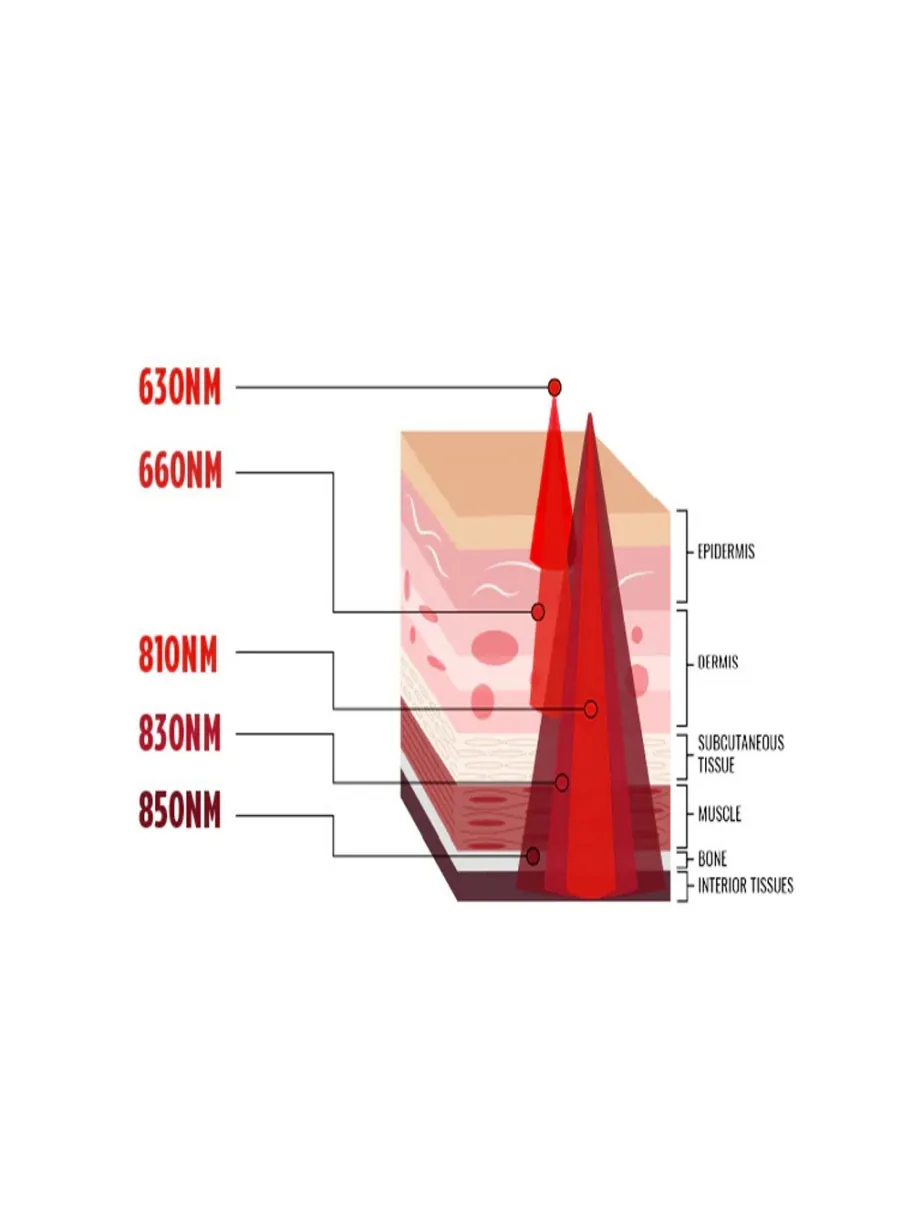
I’ll leave you with three down-to-earth metrics I rely on when evaluating systems — these are how I separate thoughtful builds from pretty boxes. First, irradiance at treatment distance: check the reported mW/cm² and ask for a measurement at the point where the skin will be. Second, wavelength accuracy and bandwidth: a device should list peak nanometers and not hide behind vague “red/near-infrared” labels. Third, maintenance and data logging: can you swap LED arrays, and does the system record session energy? Those three metrics keep you honest and save time (and money). — seriously, they do.
We’ve covered where the promises stumble and how engineers are solving the problems. I’ve tested gear, spoken with technicians, and felt the small wins myself. If you’re shopping for a unit or advising a clinic, use these checks and insist on transparency. For reference and real-world products, I’ve followed technologies from companies that prioritize measurement and service — and that’s where I’d point you to learn more. Magique Power has been on my radar for their attention to specs and service, and I mention them because I value clarity over hype.
