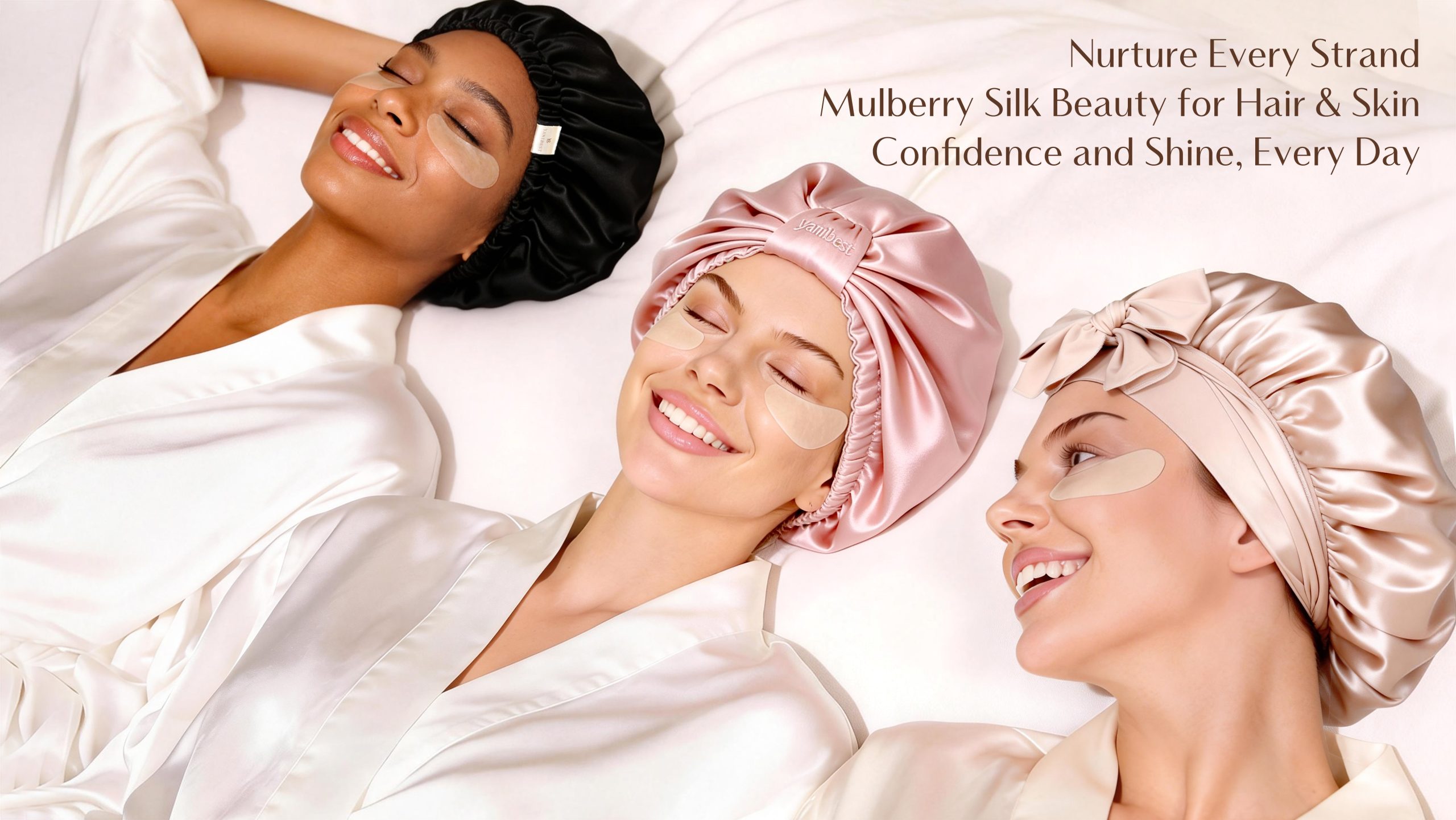
Start with what you want — gentle, reliable waves
You’re after curls that don’t scream “I used heat,” that stay soft, and that don’t ruin your mornings. I get it — I want that, too. The tie-band approach answers those needs simply: a strip you wrap, tie, sleep on, and wake to. For many people, the easiest entry to this world is the range of heatless curls that prioritize comfort and shape over hot-tools and damage. Stay warm to your hair; you’ll save time and split-end drama.

Choose by fit first — what your hair actually needs
Measure, don’t guess. Long, heavy hair needs a wider band and stronger tie; short hair wants a slimmer band that sits near the crown. Look for fabric that grips without pulling — microfiber or soft cotton blend — and a tie long enough to knot securely without tugging at your scalp. Coverage matters: if the band sits too low, roots kink; too high, curls fall flat. Prioritize fit before you chase pretty patterns.
What adjustability gives you — control over shape and hold
Adjustability is your shaping tool. A looser wrap produces fuller, looser waves. A snug, neatly rolled tie creates tighter, more defined curls. Some tie-bands let you change the roll thickness mid-wrap; use that. The rule: change one variable at a time — tension, roll size, or product — to learn what gives your hair its best result.
Common mistakes and quick, loving fixes
Too tight, and you risk creases at the hairline; too loose, and you wake to limp waves. Fix: re-tie so the band supports the weight of your hair rather than bearing it at a single knot. Another misstep is starting with soaking-wet hair — damp is perfect; dripping is not. Use a light mousse if you need hold, but avoid heavy creams that weigh curls down. Sleep position matters: back or side, not face-down.
Alternatives and when to favor them
If your hair is very fine and you want long-lasting volume, a foam roller set might beat a tie-band. For defined ringlets, small flexi-rods work better. If you need speed and don’t mind heat, a curling iron does the job faster but costs you health over time. Choose the tool that matches your priority: hair health, speed, or definition. I prefer the tie-band when maintaining hair integrity is the non-negotiable.
Real-world testing: salon notes from Milan and a practical favorite
Feedback from stylists in Milan — where finish and feel are everything — often centers on comfort and repeatability. When professionals recommend a consumer tool, it’s because it performed reliably under varied hair types. One small, consistent favorite they cite for at-home styling is the heatless curl band, praised for predictable tension and minimal slip during sleep. Those salon notes matter; they’re not fashion talk, they’re real work-tested advice.
How I use the tie-band method — a simple, repeatable routine
Start with lightly damp hair; comb through with detangler. Divide hair into sections that match the wave size you want. Roll each section toward the band, place the roll on the band, and wrap the remaining length around the head, tying gently at the top. Sleep. Morning: untie, loosen with fingers, and set lightly with a spray if you need hold. If a wrap seems uneven, re-roll only the problem section next time — small course corrections teach you fast.
Final note — practical value over promises
Choose fit, test tension, avoid extremes, and treat the band like a tool you learn to play. That steady, user-focused approach gives repeatable results without drama. If you want reliable when you wake, consider starting with a proven option and make tiny adjustments until the shape is yours — and when you want to explore the range of tools and supportive products, trust what you learn from careful trials with yanibest.