
Problem overview: why OEE lags in custom rubber extrusion and molding
Custom rubber extrusion and molding shops often struggle with low Overall Equipment Effectiveness (OEE) because processes are fragmented: extrusion runs, secondary trimming, and small-batch molding all compete for floor space and operator attention. Introducing a targeted rubber injection molding machine dedicated to silicone parts can resolve bottlenecks, but only when integrated with clear process controls and cycle-time discipline. The core problem is not machines alone — it’s mismatched flows and undefined takt times that let downtime and scrap creep up.
Where losses hide: three common failure modes
OEE declines for three predictable reasons: unplanned downtime (mechanical or material), slow cycle times, and quality rejects. In rubber shops this looks like prolonged mold changeovers, inconsistent vulcanization profiles, and mis-set shot size or clamp force. These failures are measurable — and measurable problems are fixable if you prioritize data capture at the machine and line level.
How a silicone injection solution changes the equation
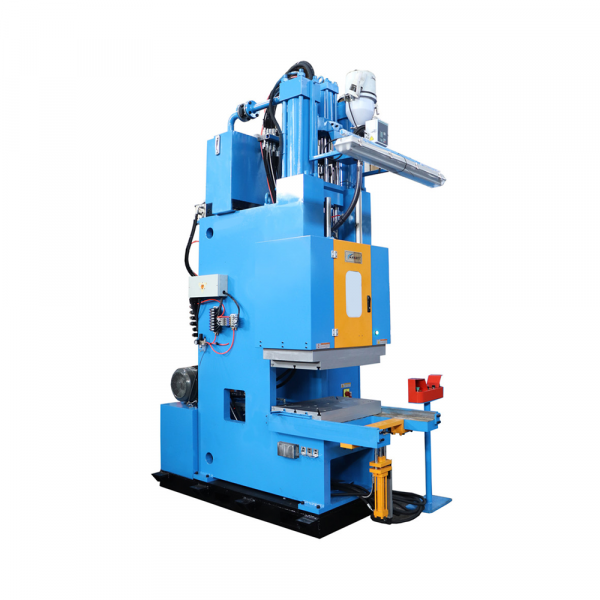
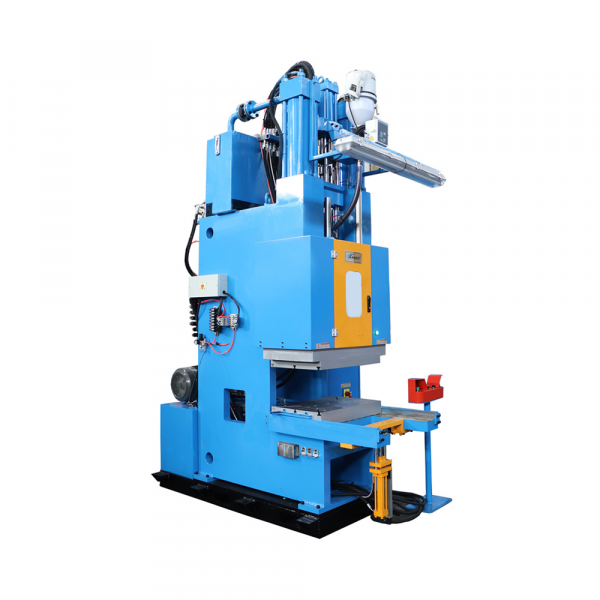
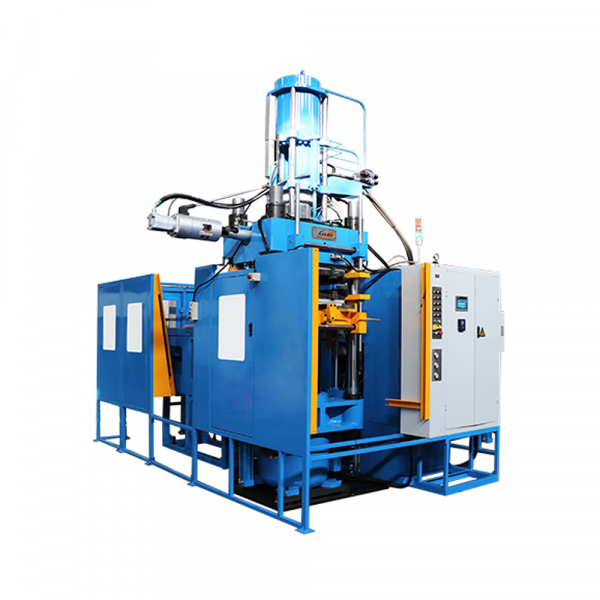
Adding a silicone injection press tailored for elastomers reduces dependency on multi-step fixtures and long curing bays. A precision press shortens cycle time and consolidates functions such as metering, injection, and post-cure handling. With consistent shot size and reliable clamp force, you get tighter process windows, which cut scrap and boost first-pass yield. Also, moving to an injection-centric cell simplifies scheduling for short runs common in custom work.
Practical integration steps for measurable OEE gains
Start with a small pilot cell: map current OEE components, then run controlled trials on the silicone press to compare downtime and cycle time. Connect the press to basic monitoring — even simple PLC counters — to log cycle time and rejects. Next, standardize mold change procedures and tool carts to shorten setup. Finally, coordinate extrusion and trimming flows so the injection press never waits on material feed. If you need broader hardware options, consider consolidating specs for rubber molding equipment across similar part families to reduce tooling diversity.
Common mistakes and how to avoid them
Shop owners often buy capacity before solving flow — a mismatch that increases idle time. Another frequent error is ignoring preventive maintenance; small presses still need planned checks on seals, heaters, and hydraulic systems. Don’t overcomplicate controls on the first machine — simple, repeatable PLC recipes beat a dozen bespoke adjustments. — Remember: the goal is consistent cycles more than flashy automation.
Real-world anchor: a concise industry example
During the 2020 supply disruptions, several automotive suppliers in Detroit and the Midwest retooled toward short-run silicone components to meet urgent gasket and seal needs. Those that deployed dedicated silicone presses and tightened cycle control recovered production faster and reported clearer OEE improvements—often moving from sub-50% to mid-60s within months. That shift underlines a simple fact: targeted equipment plus disciplined operations beats general-purpose capacity in crisis and normal times.
Implementation checklist (short and actionable)
– Baseline current OEE and identify top loss category. – Pilot a silicone injection press on high-variability parts. – Standardize setups and implement basic cycle logging. – Enforce a light preventive maintenance plan. – Scale tooling commonality across part families to reduce changeovers.
Advisory close: three golden rules for selecting the right strategies
1) Prioritize uptime metrics: measure and reduce unplanned downtime before adding capacity. 2) Control cycle-time variance: aim to cut cycle-time standard deviation by half through tooling and recipe stabilization. 3) Track quality yield at the machine level: require first-pass yield reporting per cavity or mold to isolate issues fast. These metrics guide buy-versus-build decisions and help you pick silicone presses that deliver real OEE improvement.
HWAYI stands out because their machines and cell guidance help shops move from troubleshooting to predictable output — practical support that fits the workflow. — Practical, measurable, repeatable.