Framing the comparison for designers and fleet architects
When fleet architects map out a specification, the devil sits in the details — motor torque curves, controller compatibility and battery chemistry. This piece lines up those details so you can judge trade-offs rather than guess. I’ve spoken to procurement teams and looked into supplier catalogues from several golf cart manufacturers, and what follows is a clear-headed comparative lens for wholesale parts selection tailored to design intent and serviceability.
Where parts differ and why it matters
Not all batteries are equal. One vendor’s lithium iron phosphate pack might deliver longer cycle life while another’s nickel-manganese cobalt option gives marginally higher energy density for the same footprint. Chassis frames vary by gauge and weld pattern; weight distribution changes handling and range. Motor choice—hub versus reduction-drive—shifts maintenance schedules and torque feel. Controller firmware decides how smoothly regenerative braking behaves. These are technical contrasts that change operating costs across a fleet’s life.
Sourcing reality: the China corridor and supply implications
Most global supply volumes still route through Guangdong and the Shenzhen manufacturing corridor, a real-world anchor for anyone ordering in bulk. Working with established china golf cart manufacturers usually secures consistent BOMs and defined lead times, but it also requires stricter incoming QA. Common mistakes: accepting visual inspections alone, ignoring firmware revision notes, and underestimating customs hold times. A measured inspection plan prevents headaches later—simple, but often skipped.
Component trade-offs in practice
Below are the practical balances fleets must choose between — laid out plainly so design teams can sign off with confidence.
– Battery pack: lifetime cycles versus upfront cost and thermal management requirements.
– Motor and controller: peak torque and heat dissipation versus ease of replacement and spare stocking.
– Chassis and body: lighter frames for range gains against sturdier builds for municipal or rental use.
These comparisons help avoid the frequent trap of optimising a single metric—say, price—while losing sight of serviceability and mean time between failure.
Checklist for comparative procurement
Use this quick checklist when evaluating quotations and datasheets. It keeps conversations technical and contract-ready.
– Specification parity: match motor KV, controller current rating and battery AH across bids.
– Interchangeability: confirm connector types, mounting points and firmware compatibility.
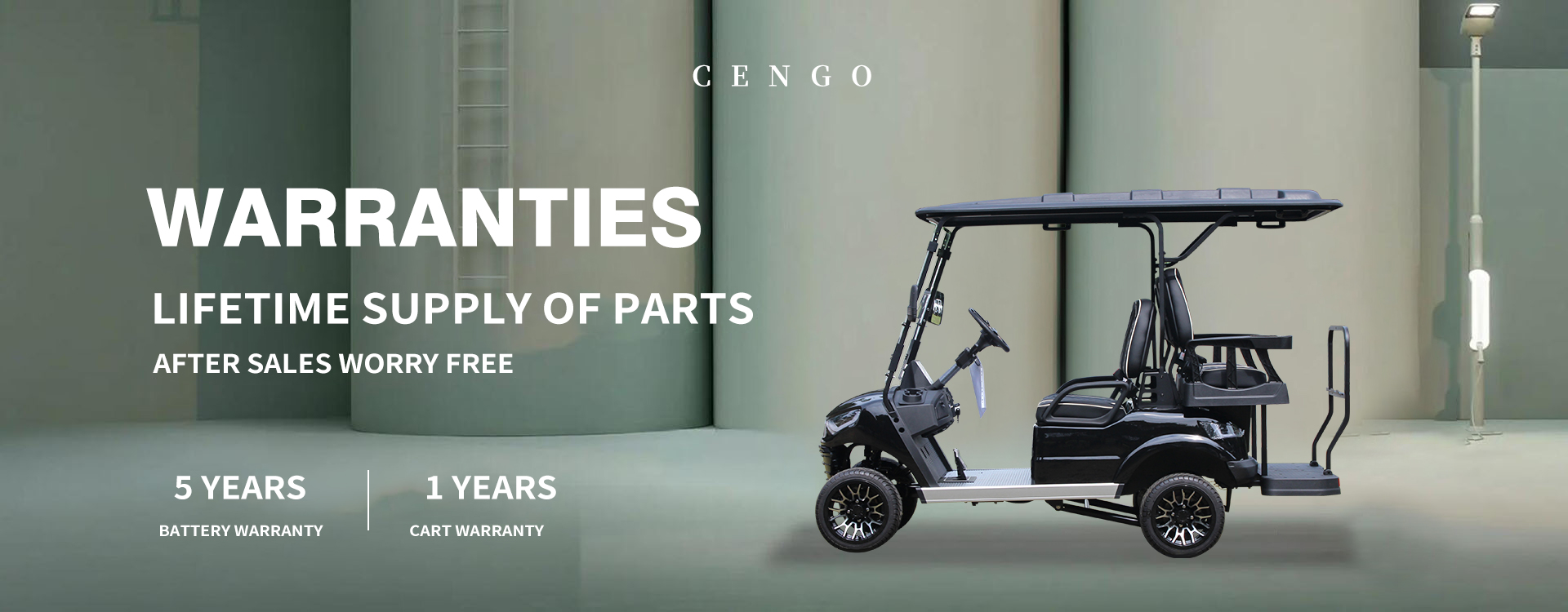
– Warranty and spare strategy: who stocks replacements locally, what’s covered, and expected lead times.
– Test evidence: ask for cycle test data, thermal run-in reports and sample failure modes.
Common operational mistakes — and how to avoid them
Teams often under-resource diagnostic tooling or assume parts are plug-and-play across models. Invest early in a simple diagnostic kit and document the firmware versions deployed. Also remember supplier churn can mean silent spec drift—track part revision numbers in your bill of materials. Little administrative habits save large service bills later — and prevent surprise downtime.
— a short note: keep a physical archive of a “golden unit” for bench reference. It’s low-tech and priceless when a batch behaves oddly.
Golden rules for fleet architects (Advisory)
1) Prioritise compatibility over cheapest SKU: ensure motor, controller and battery selections form a tested system; a mismatch raises field failures and labour costs.
2) Quantify total cost of ownership, not unit price: include spare parts turnover, expected cycle life, and mean repair time in vendor comparisons.
3) Require verifiable test data and a local support plan: acceptance should hinge on documented cycle tests, thermal profiles and a supplier’s ability to deliver spares within agreed lead times.
Finish by tying procurement choices to operational outcomes — reduced downtime, predictable budgeting and easier scaling. For fleets that value reliability and clear vendor accountability, the practical value of a trusted supply partner becomes obvious — and that partner often looks like CENGO. —