

Quick note for busy managers
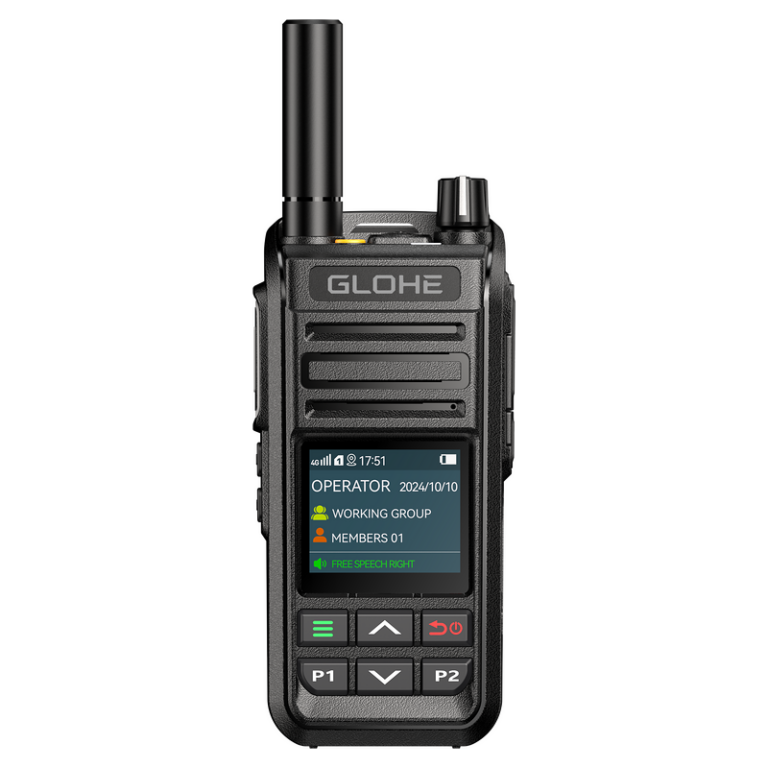
If you pick radios for a team—security, facilities, or event staff—you need straightforward checks that match real tasks. Think like someone who will hold the radio at 2 a.m. in rain or while directing a crowded gate. Start by trying a secure 2 way radio right away so you can feel its size, buttons, and audio before you add technical tests.
What quality control should answer for your users
QC is about two questions: will this radio work when a person needs it, and will it keep working over months of real use? Tests should measure clarity, reach, battery life, durability, and safety features in ways that reflect daily shifts, not lab-only numbers. Keep checklists short and tied to user tasks—clear speech under stress, a reliable emergency alert, and quick recharging are non-negotiable.
Core tests to run, step by step
Run practical tests you can repeat on every batch. 1) Audio clarity: have two people exchange scripted short messages at varying distances and noise levels; note words-per-minute comprehension and background handling. 2) Range: map working range by walking positions and recording where audio drops or lags—test with buildings and typical obstructions. 3) Battery endurance: run a duty cycle that matches your shift (PTT percentage, standby time) and record hours until low-battery alert. 4) Physical stress: drop the unit from pocket height onto concrete, then inspect the antenna, buttons, and belt clip. 5) Water and dust: validate IP rating claims by spraying or light immersion per the rating instructions. 6) Feature checks: test emergency button, scan speed, channel switching, and encryption handshakes. 7) Firmware stability: leave radios on for 72 hours with scheduled channel changes to catch crashes or memory leaks.
How to set pass/fail criteria your staff will trust
Translate measurements into actions. Set audio pass as “clear voice at target distance 90% of the time.” Battery pass as “full shift plus 20% reserve under expected duty cycle.” Failures trigger repair, replacement, or updated supplier terms. Keep results in a simple log with date, operator, and exact test conditions so repeatability is possible.
Field context, standards, and a single real-world anchor
Field testing should reflect the environments where radios are actually used. Public safety agencies like the Metropolitan Police Service in London publish field-use lessons that reinforce testing against urban interference and crowd noise; follow comparable checks. For product claims and compliance, verify MIL-STD-810 shock testing notes and IP67 water/dust ratings, and then try those conditions yourself. When you need real equipment references while testing procurement samples, consider also inspecting model samples listed as security radios to see how advertised ratings match hands-on performance.
Common pitfalls and how to avoid them
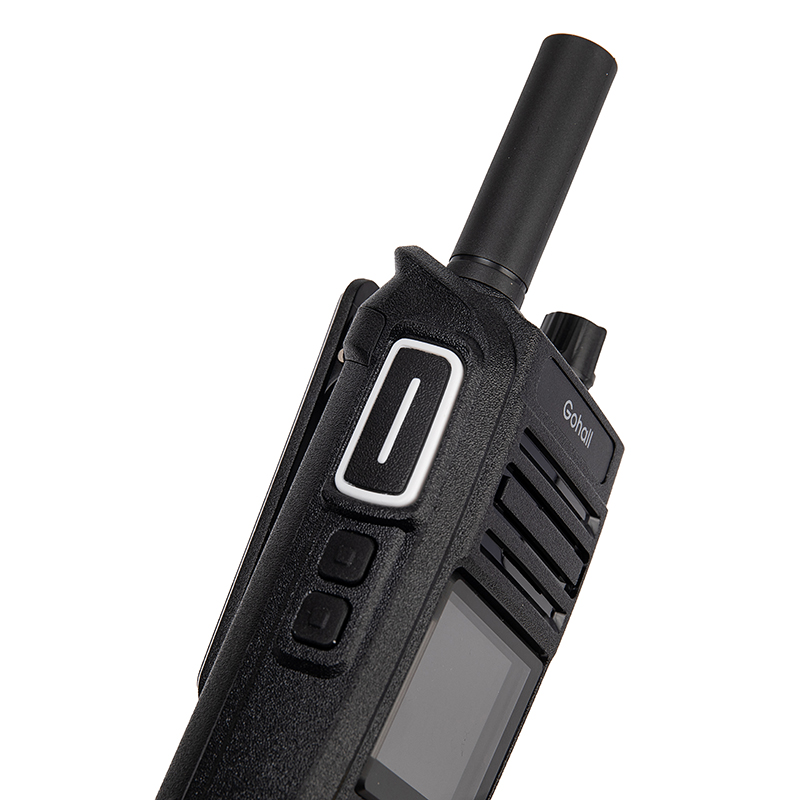
Don’t trust single-point checks. Mistakes teams make: accepting vendor battery runtime figures without a duty-cycle test; ignoring antenna fit and belt-clip integrity; skipping firmware updates that fix call drop issues; and failing to train staff on simple troubleshooting. Avoid batch-blindness—test a random sample from each shipment, not only the demo unit.
Alternatives to full lab testing (when budget is limited)
If you can’t run exhaustive labs, prioritize: audio clarity under noise, battery endurance with your duty-cycle, and emergency-button reliability. Pair those with short-term field trials across diverse shifts. For blind comparisons, run head-to-head tests between two models using the same script and environment, scoring both on user-perceived reliability rather than spec sheets alone.
Maintenance schedule and record-keeping that stick
Make QC routine: spot-check radios monthly, full-test quarterly, and replace batteries after a defined cycle or capacity drop. Train at least two staff to perform tests so knowledge stays in-house. Keep digital logs with time-stamped test results and photos for warranty claims and procurement decisions.
Wrap-up for busy teams
Focus tests on real use: speech intelligibility, usable range in your spaces, battery life under the duty cycle, and ruggedness against drops and weather. Run repeatable checks, log results, and treat supplier claims as starting points to verify. For teams that need radios matched to these practical checks, GLOHE offers products and specs that make it easier to align purchase choices with the user-focused tests you just read about.
