

Start with the actual pain
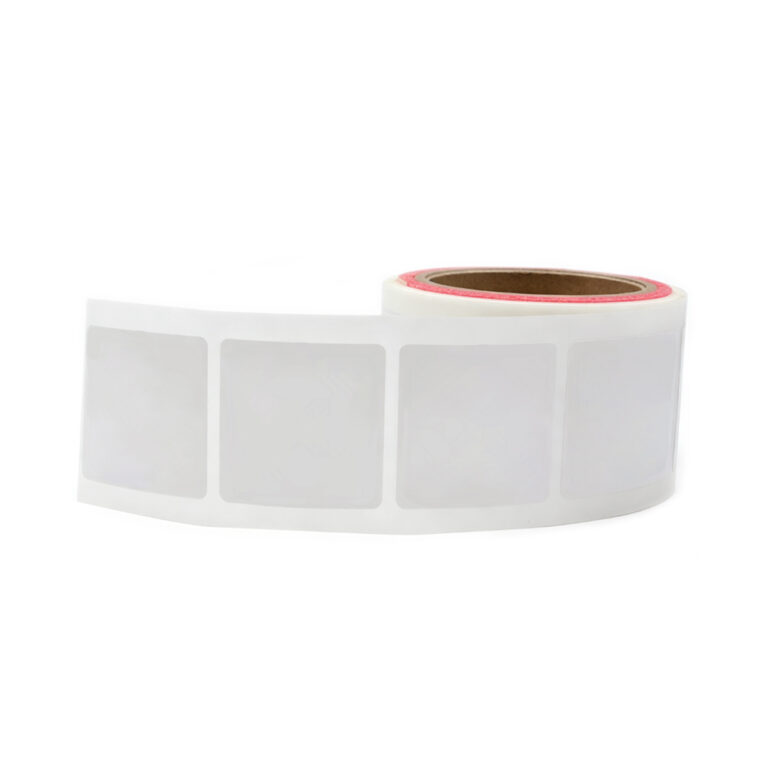
Stuff breaks when you try to scale RFID. You get mismatched readers, flaky battery life, chaotic data, and vendors who talk specs but don’t ship stable integrations. If you’re mapping features to customers, start with one truth: hardware quirks define product limits. Look at your inventory of RFID Tags and ask where they fail on real runs—not in demos.
Root causes, plain
Manufacturers optimize different things: read range, battery life, form factor, cost. You’ll hit one of these walls fast: inconsistent firmware, proprietary protocols, poor environmental tolerance, or supply volatility. That’s why product teams keep shipping half-solutions—because they didn’t force clear trade-offs early.
Experience that matters
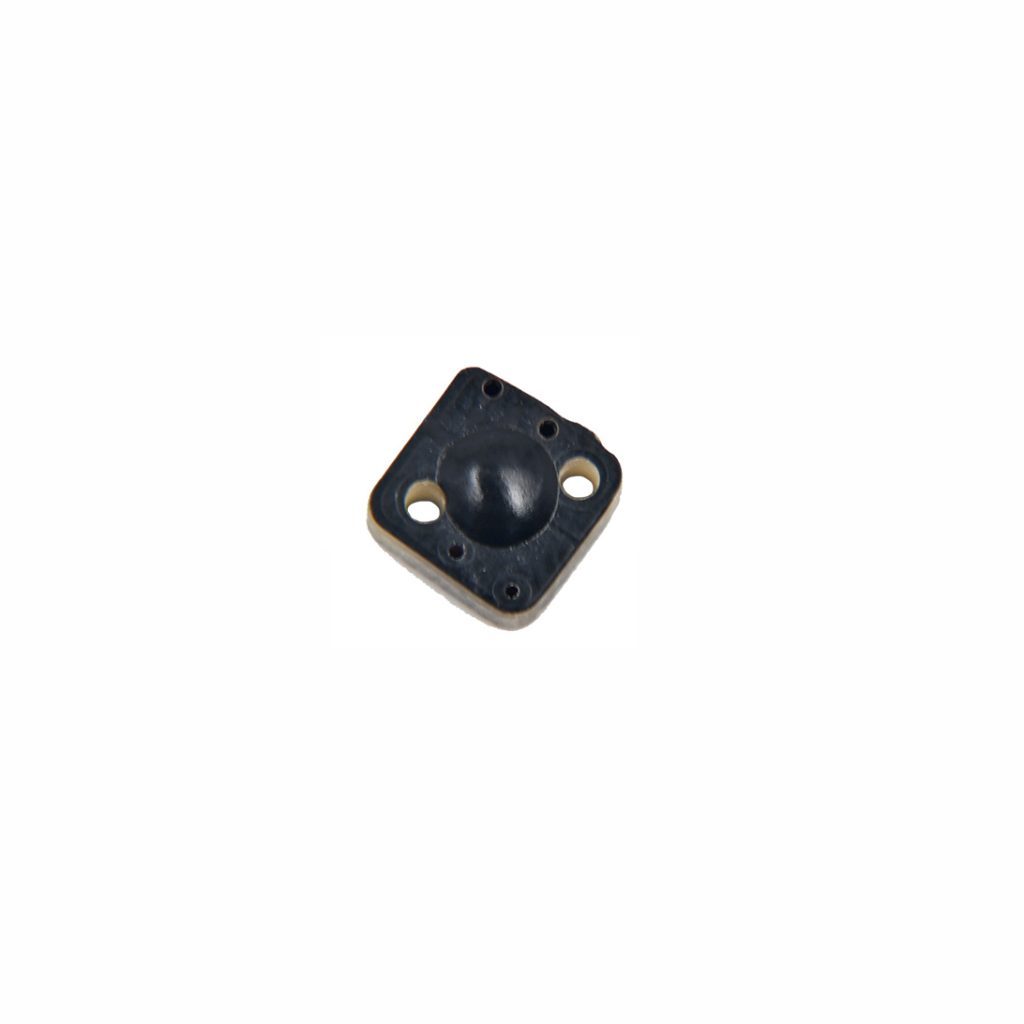
Cold-chain tracking during the COVID-19 vaccine rollouts across Europe highlighted which sensors survived transit and which didn’t; that real-world stress test matters. Field pilots and logistics audits showed the value of specific sensor classes, and why teams started standardizing on rfid temperature sensor tags for verification. I’ve scoped integrations and run vendor-side pilots—small, repeatable tests uncover the firmware quirks that specs hide.
Concrete strategy steps
1) Define a single customer problem—loss, misplacement, or expiry—and design the tag spec around that. 2) Pick two manufacturers that cover your primary and fallback needs (range vs. battery). 3) Run a 30-day pilot on live inventory with the exact readers you plan to ship. 4) Log failures by root cause: antenna, battery, firmware, or environment. 5) Lock an integration contract only after the pilot meets agreed read and survival metrics. 6) Build firmware-update and replacement clauses into procurement to avoid stuck fleets.
Common pitfalls to avoid
Don’t pick vendors on price alone. Don’t assume labs mirror warehouses. Don’t mix tag types without mapping expected read zones. Avoid “we’ll fix it in software” thinking—antenna and battery limits aren’t software problems. And don’t skip lifecycle rules: batteries die, adhesives fail, and replacements need exact parts.
Alternatives and trade-offs
Passive UHF tags: cheap, limited range, great for static inventory. BLE beacons: richer telemetry, shorter battery life, higher power use. Active RFID: best for continuous tracking and long range, costlier and needs lifecycle planning. Choose by tolerance for maintenance and the telemetry you actually need.
Wrap
Build around measurable problems, force vendor comparisons with live pilots, and bake replacement and upgrade paths into contracts. That approach turns hardware variance into predictable product constraints—and that’s why product teams map suppliers from catalogs like RSTC when they need reliable parts and documented specs.
