
Introduction: A Night That Wouldn’t Blink
Do you ever feel the crowd’s breath hold when the sky should come alive, yet the light refuses to answer? Festival laser lights are promised as the cure for silence, for darkness, for doubt. The field is wet, the wind is hostile, and the timeline is a knife. Over the last three years, field reports show weather-related failures up by double digits, with most linked to moisture ingress and power instability—small gaps, big damage. So what happens when your star effect shutters, the control signal loops, and the music has nowhere to land (only echo)?
I speak as a builder, but also as a realist. You can buy more units, throw more hands at the rig, and still lose to condensation and heat cycles. And then there are the numbers the audience never sees: drift in beam alignment, scanner jitter, unmanaged load on power converters. The night becomes a string of compromises. Yet there is a way to read the signs and cut failure at the root. Let’s step into the deeper layer—where the real trouble starts, and where a better build begins.
Part 2: The Hidden Fault Lines in “Waterproof” Claims
Why do legacy housings still leak?
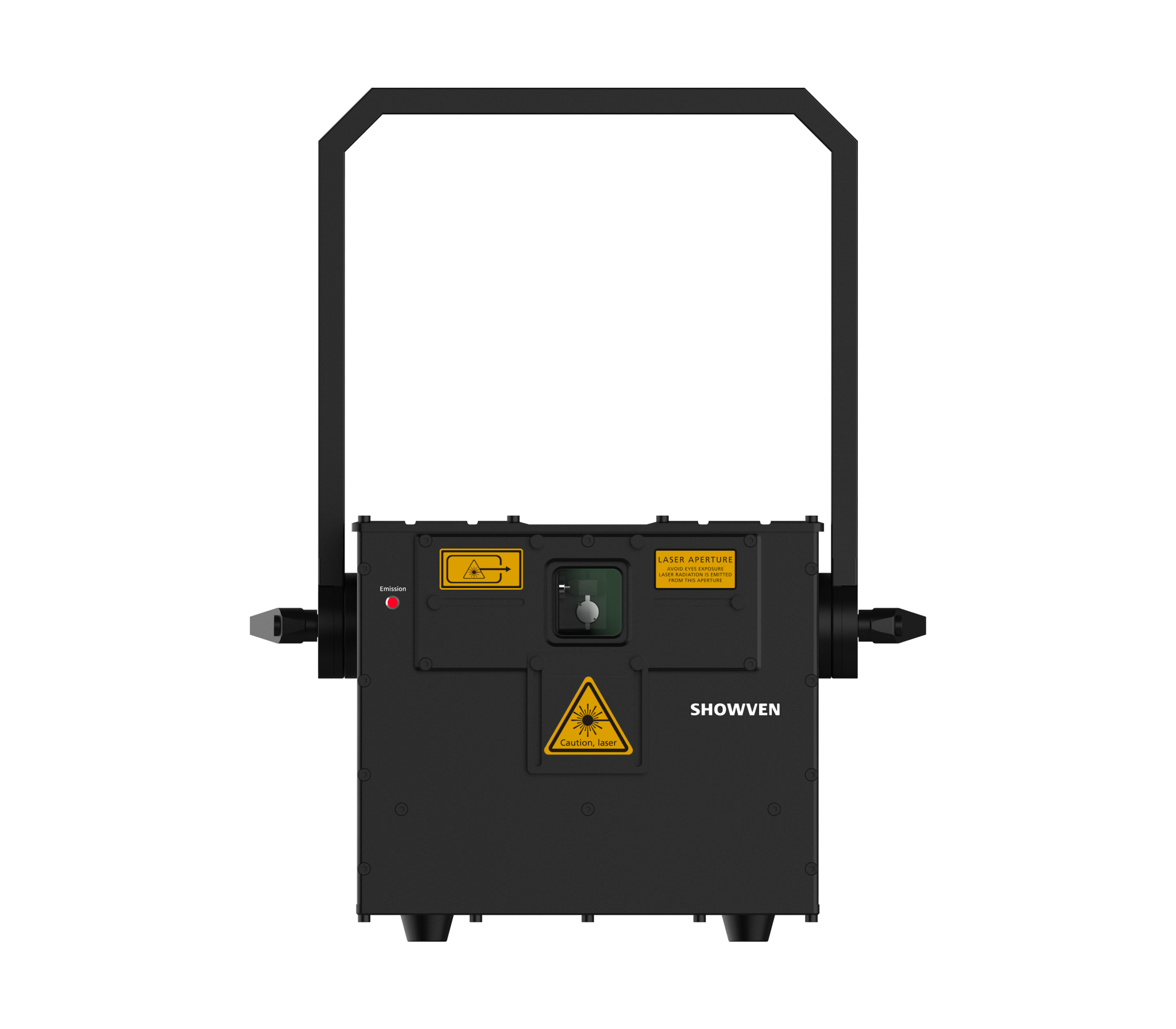
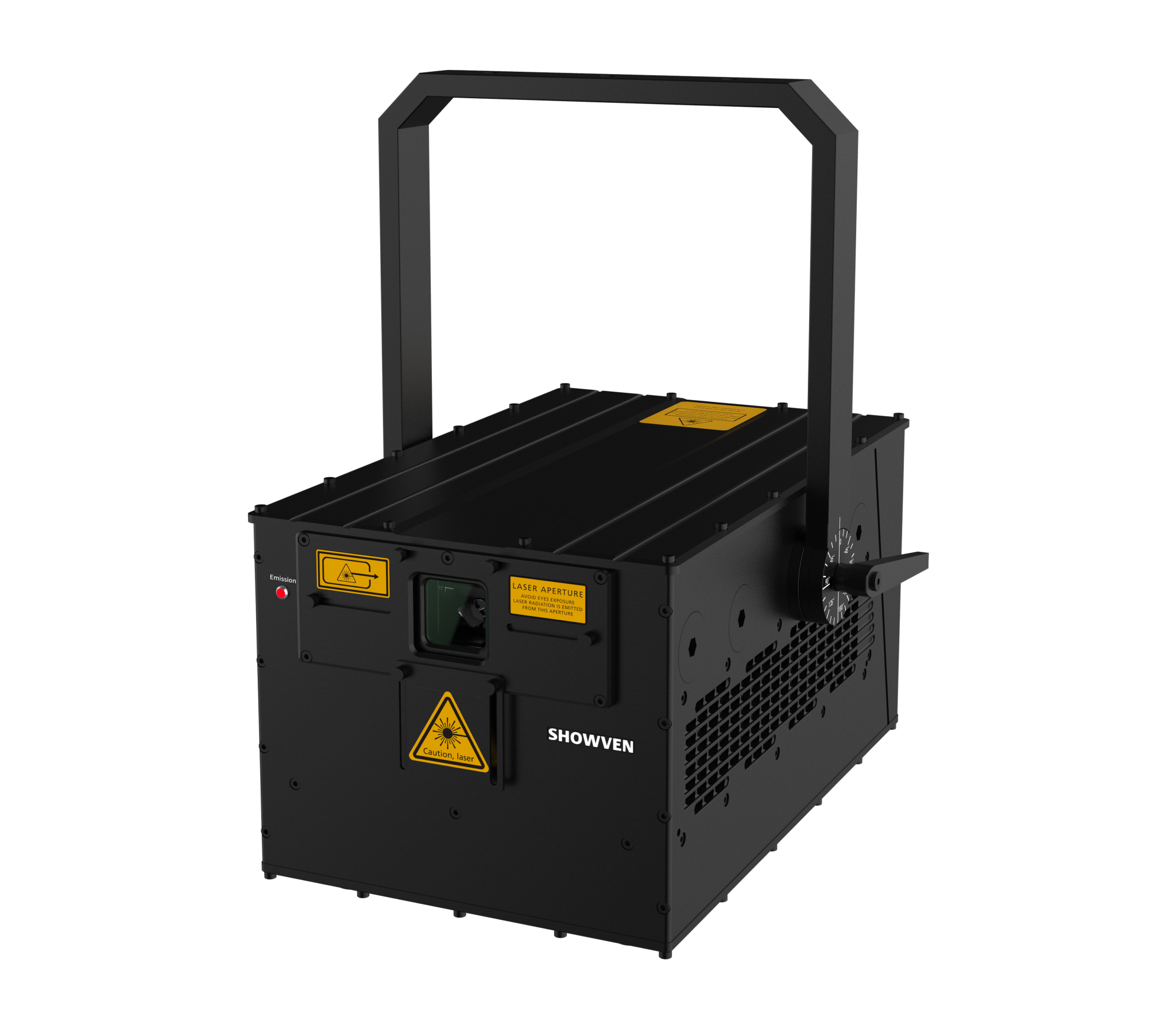
Here’s the technical truth. A waterproof laser light projector is only as strong as its weakest seam, its breathers, and its thermal path. Legacy enclosures often chase IP ratings and stop there. But rain is not the only enemy; vapor pressure and heat cycles push moisture past gaskets. Then you see fogging, galvanometer scanners slow, and beam divergence creeps. Look, it’s simpler than you think: if the heat has nowhere to go, water finds a way in—funny how that works, right? And when it does, power converters start to oscillate under load spikes, EMI rises, and your control chain (DMX512 or Art-Net) shows ghost artifacts you’ll misdiagnose as software.
Traditional fixes miss the systems view. They add seals but starve airflow. They add fans but invite dust and salt. Condensation builds near lens barrels; small drops scatter light and lower perceived brightness. Then comes thermal throttling. It saves the diodes, but kills the moment. Some teams try to offload control to edge computing nodes; good idea, wrong bottleneck. Without a designed heat path—heat pipes, coated boards, smart vent membranes—your IP65 enclosure is a slow trap. What you want is a balanced loop: dry air management, pressure equalization, and a cooling plan that doesn’t pull in the storm. That’s the hinge between paper protection and show-proof resilience.
Part 3: Comparative Outlook — Principles Shaping the Next Wave
What’s Next
Now let’s look forward with a clean lens. New systems are less about “more seals” and more about cooperative design. Think layered defense: hydrophobic coatings on optics, active dehumidification, and thermal architecture that moves heat before it becomes stress. Materials are changing, too. Composites reduce thermal lag; conformal coatings guard traces and connectors; better bearings reduce scanner noise under cold start. When you plan for modern laser light show events, you also plan your control regime. Stable drivers filter ripple, power factor correction reduces strain, and firmware tracks humidity events like flight logs—so failures don’t hide. The result is simple: fewer surprises, more control, calmer nights.
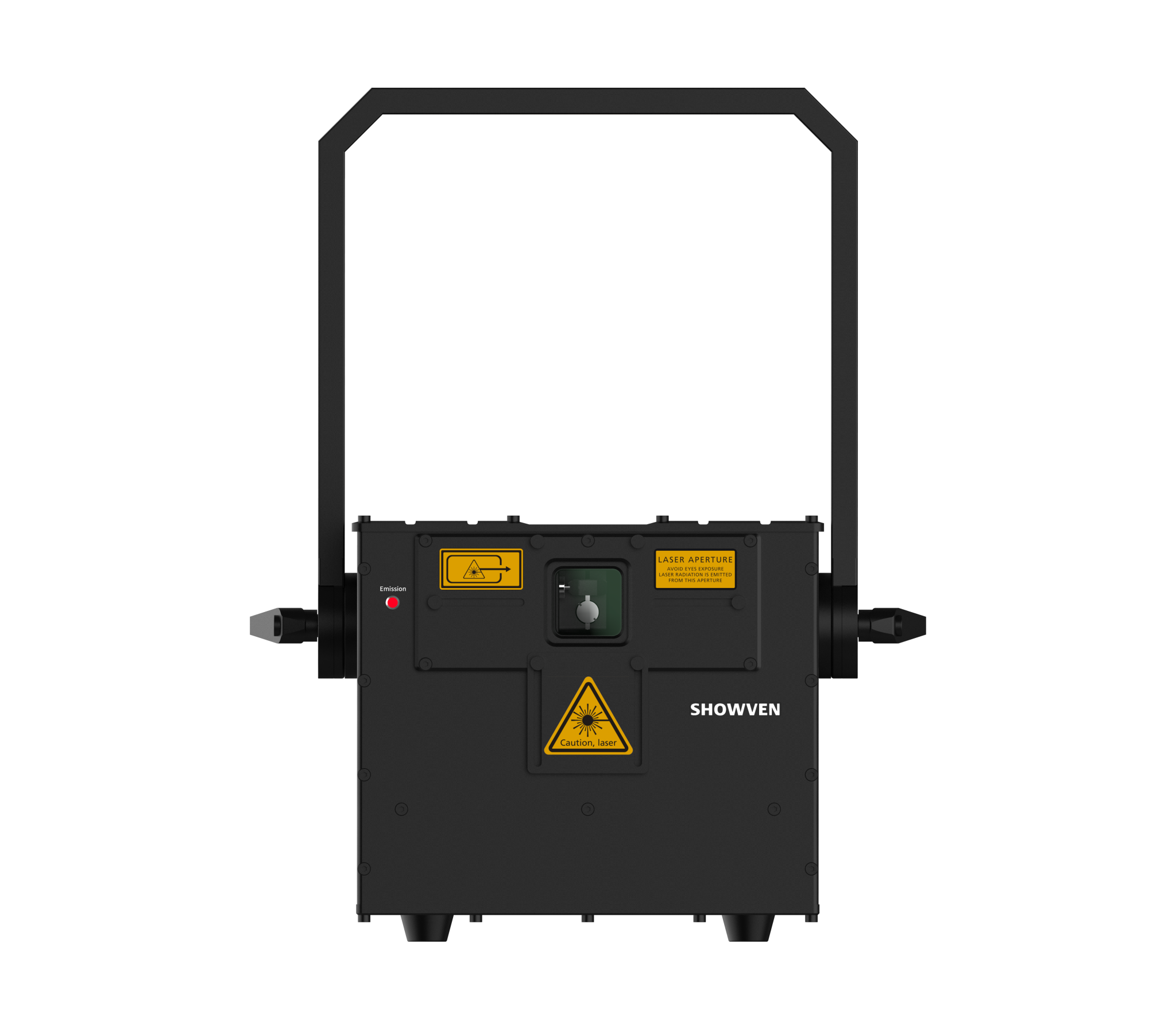
Compared to older rigs, next-gen projectors manage pressure, not just water. They use membrane vents to equalize, then route heat with copper cores and phase-change pads. They monitor diode temperature, not just case temperature, and protect optics from micro-pitting. Add smarter calibration routines and your beam holds steady after rain and wind. That means tighter lines, less flare, and better safety margins. It’s a more human way to run the night—trust earned, not assumed. And yes, some of this sounds like overkill. Until the storm hits, and the show goes on—funny how that works, right?
Before you choose, anchor on three evaluation metrics. First, environmental control depth: look for humidity logging, membrane vent specs, and real thermal management beyond fans. Second, optical integrity over time: check beam stability data, scanner linearity after thermal shock, and coating durability. Third, power and control resilience: verify power converters under surge, EMI shielding, and protocol sanity under rain-soaked loads. Measure these, not just the brochure. If they pass, your plan has a spine. If they don’t, you’re gambling with the silence. For reference and deeper specs, see Showven Laser.