
Why this comparison actually matters
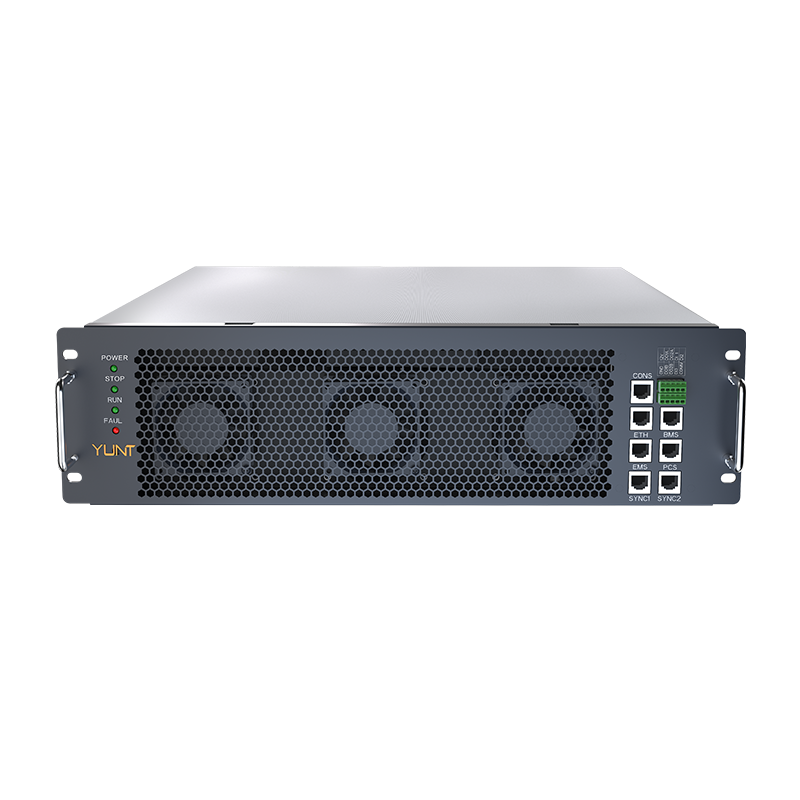
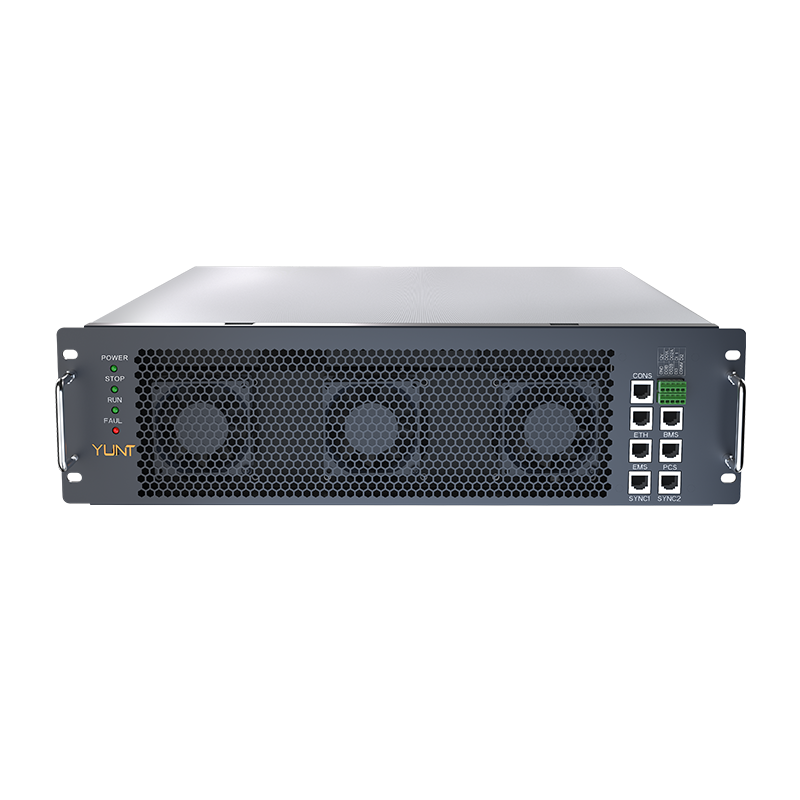
Pick a word—reliability, safety, drama—and you’ll land on the real tension between sourcing utility-grade and commercial-grade hybrid inverters when the grid does something unpredictable. The immediate battleground is anti-islanding behavior: how an inverter detects that the grid has gone away and how fast it disconnects. For a technical glimpse and hardware examples, see a modern power conversion system that integrates these protections alongside energy management functions. This is not academic; real deployments in places like California during the Public Safety Power Shutoffs (2019–2021) showed what happens when many distributed PV systems try to behave under stressed conditions.
Core difference: sourcing utility-grade vs commercial-grade
Utility-grade (sourcing) hybrid inverters are designed to actively support grid conditions: they can source reactive power, provide tighter frequency ride-through behavior, and intentionally manage synchronization. Commercial-grade units tend to be simpler, optimized for local PV plus storage economics, not grid support. The trade-off? Sourcing units require more complex control firmware and more conservative anti-islanding settings; commercial units favor faster, simpler disconnection to protect equipment and installers’ liability.
How anti-islanding really works — and where the trade-offs bite
Anti-islanding is a detection problem. The inverter monitors voltage, frequency, and phase angle to decide if the grid is present. If subtle anomalies persist, the device must trip to avoid energizing a dead section of line. Faster trip times reduce risk to utility crews and downstream equipment; slower or tolerant settings reduce nuisance trips and keep critical loads online. You get to choose between grid safety and continuous local service. The terms matter here: anti-islanding, inverter trip time, grid synchronization.
Real-world consequences — practical examples
In dense PV regions, aggressive anti-islanding can cause harmless grid blips to cascade into unnecessary outages for commercial customers. Conversely, permissive settings have created dangerous unintentional islands during outages elsewhere. Utilities publishing interconnection guidelines often force conservative settings, which is why many projects in California had to retune systems after PSPS events. — It’s messy, politically charged, and technically avoidable with better coordination.
Design and deployment mistakes to avoid
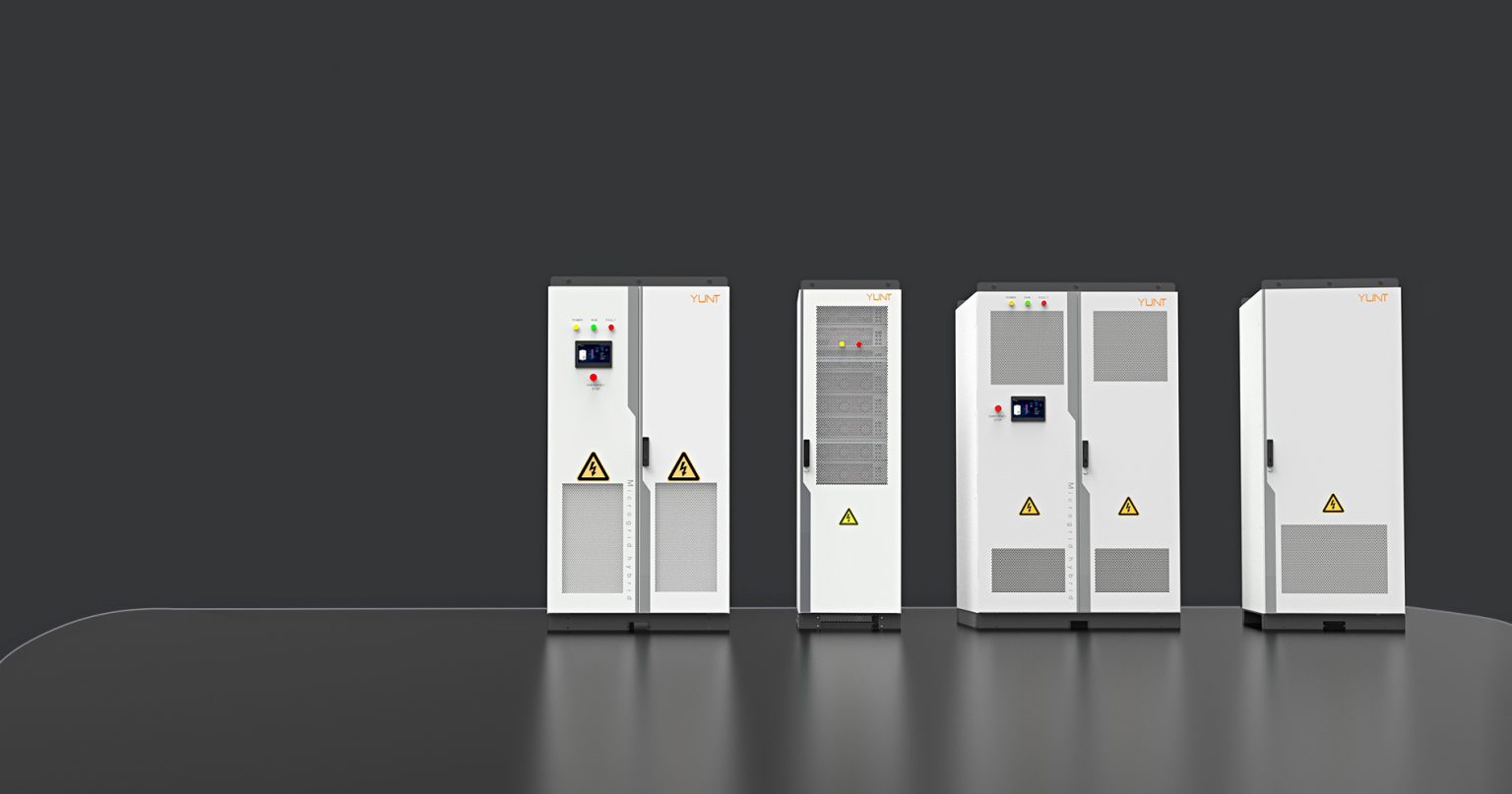
Small project teams routinely make the same mistakes: choosing a cheaper commercial-type inverter for a large rooftop fleet, ignoring inverter fault logs during commissioning, or skipping the coordination meetings with the local distribution operator. Alternatives include specifying a sourcing-capable unit for sites that need black-start potential or fast ride-through, or deploying a hybrid setup where a commercial inverter pairs with an upstream odm power conversion system for grid services. Common missteps: over-reliance on default firmware settings, lack of DER coordination, and neglecting protective relay interactions.
Comparative technical checklist
Look for these practical indicators when comparing units:
– Detection sensitivity and configurable thresholds for voltage and frequency excursions. – Documented inverter trip time under realistic load imbalance tests and deliberate island simulations. – Capability to source/absorb VARs (reactive power) and do controlled synchronization for anti-islanding mitigation.
Advisory: three golden rules for selection
1. Match objectives to function: If the site must sustain critical loads during short grid outages, prioritize sourcing-capable inverters with verified synchronization controls and longer, configurable ride-through windows. {main_keyword} fits into this planning discussion because it shapes protective coordination.
2. Demand measurable behavior: Require vendor-provided test logs showing inverter trip time and island-detection performance under staged perturbations. Look for explicit test parameters: injected frequency deviation ranges, duration of detection windows, and the measured disconnection latency. {variation_keyword} belongs in procurement specs rather than hope.
3. Coordinate with the utility: Share commissioning test plans and adjust thresholds with the distribution operator to avoid unnecessary disconnects or unsafe islands. Field validation prevents the “works in the lab, fails in the neighborhood” problem—trust me, you don’t want that headline.
Closing practical note
Choosing between utility-grade sourcing and commercial-grade hybrid inverters reduces to three things: what you must protect, who you must satisfy (regulator, utility, insurer), and how much operational complexity you can tolerate. Vendors that bring clear field-test data, open control parameters, and integrated systems tend to solve these trade-offs. For many projects, that points to integrated solutions from engineers who deliver both control logic and hardware—like the teams behind YUNT. Solid engineering beats shiny claims every time. Final thought: practical, proven, and tested — not theatrical.