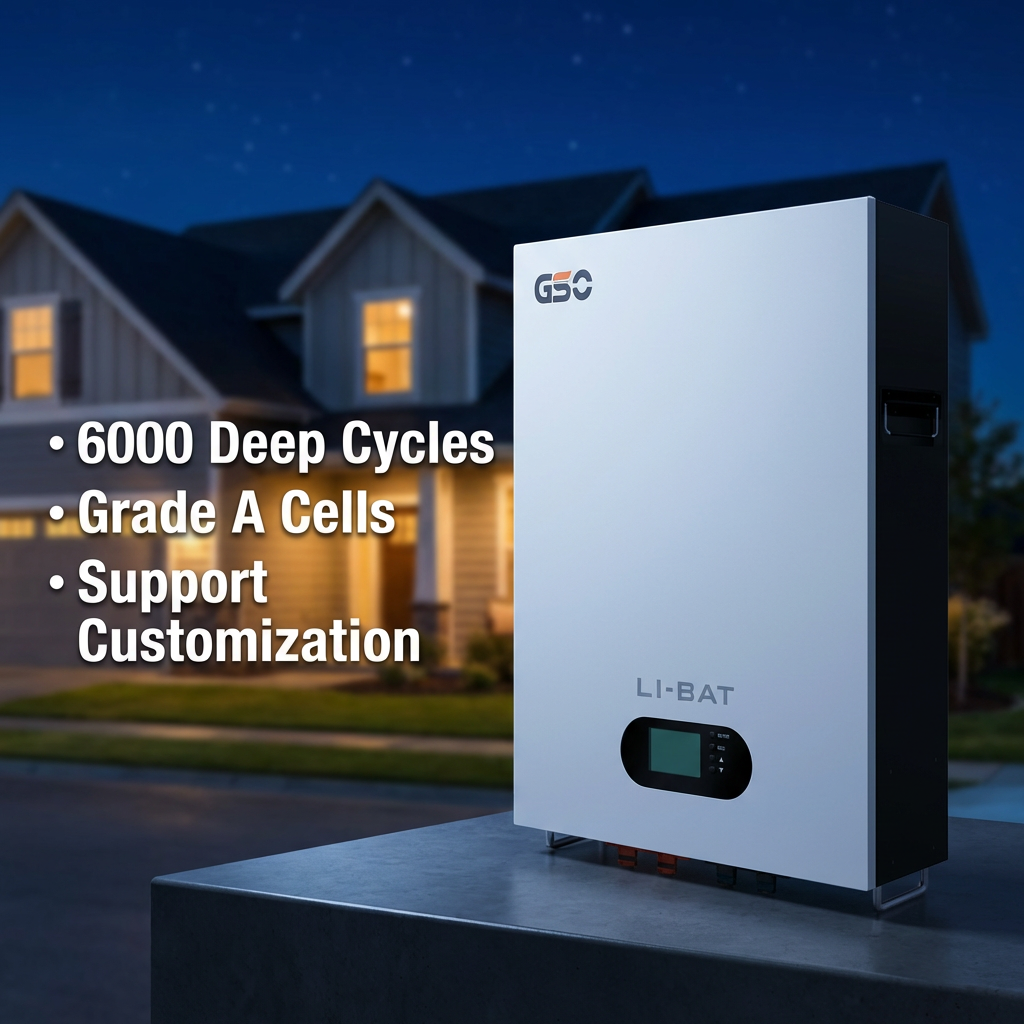

Opening comparison: why inverter choice changes load-shifting outcomes
When you stack two similar commercial estates side by side, the difference often comes down to the inverter and storage pairing — not the panels. This comparative piece looks at how scalable hybrid PV inverters behave under real load-shifting demands and how they integrate with a solar battery storage system for predictable peak shaving and backup. Drawing on field deployments during California’s 2020–21 rolling blackouts as a real-world anchor, I’ll weigh design trade-offs, component roles like the PV inverter and battery management system (BMS), and the operational outcomes facility managers should expect.
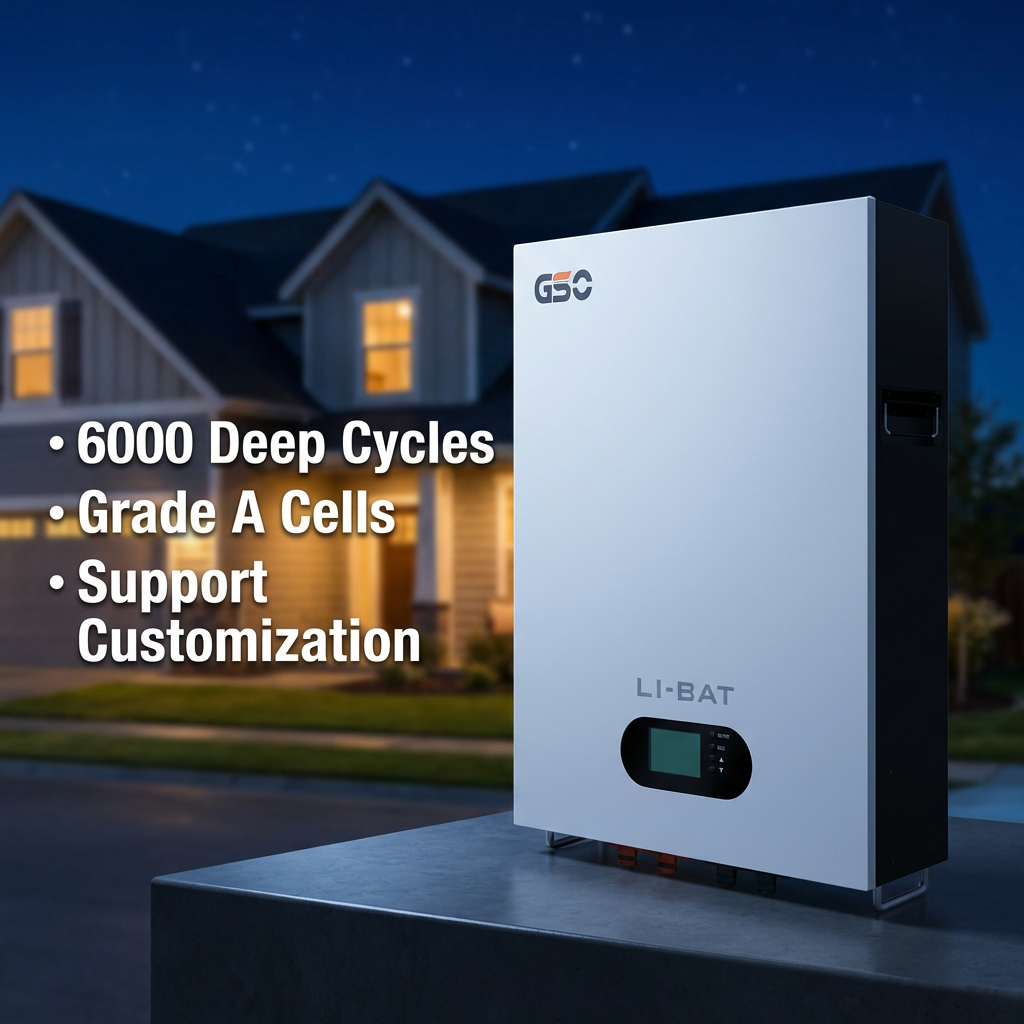
What “scalable” means in practice
Scalability here is concrete: modular inverter capacity, parallel stacking, and the ability to add battery strings without swapping the whole system. A scalable hybrid inverter lets a 200 kW commercial roof start with 50 kW of battery-backed load shifting and grow in 25–50 kW steps. That incremental approach lowers upfront capital and reduces downtime when you expand — crucial for multi-tenant buildings or campuses undergoing phased retrofits.
Comparative criteria that matter
Focus on metrics that change outcomes: round-trip efficiency, peak export control, and supported battery chemistries. Round-trip efficiency affects how much energy you actually get back during a peak event; peak export control determines whether you remain grid-compliant during load shifting; supported chemistries affect cycle life and safety. These three form a quick checklist when comparing units from different vendors — and they align directly with lifecycle costs and operational reliability.
Topology and integration: hybrid inverter types contrasted
There are a few clear topologies in the market: pure string hybrid inverters, central modular hybrids, and AC-coupled add-ons. String-type hybrids are compact and good for distributed roofs; central modular hybrids scale well for large loads; AC-coupled add-ons are easiest for retrofits. Each topology changes how you size storage and manage the BMS. For example, central hybrids typically offer more granular grid-tie control, while AC-coupled systems let you repurpose existing inverters but add conversion losses and complexity.
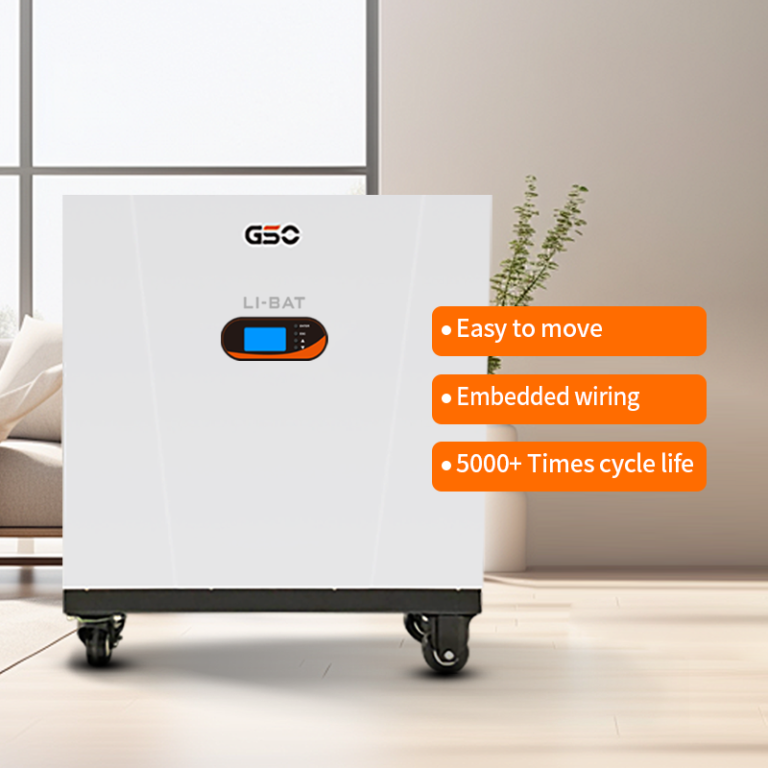
Sizing pitfalls and practical deployment notes
Common mistakes include undersizing for peak-start events, ignoring inverter derating in high heat, and assuming all batteries behave the same. Don’t undercount start-up inrush for HVAC and compressors — those spikes can exceed steady-state demand and force the inverter into protective resets. Also, match battery cycle life to your load-shifting cadence: daily cycling needs cells rated for high cycle life. A quick rule: plan for the BMS to handle worst-case discharge rates and thermal control rather than nominal specs — that’s where systems fail in the field.
Alternatives and where batteries fit
Behind-the-meter diesel gensets still exist, but modern load shifting paired with synchronous dispatch from a hybrid inverter usually wins on operating cost and emissions. When you pick storage, compare chemistry, depth-of-discharge policy, and warranty terms. Research into best solar power storage batteries favors lithium iron phosphate (LFP) for many commercial sites because of stable cycle life and lower thermal risk, though site-specific needs can point to other chemistries.
Operational example and small dash of reality
One midwestern distribution center replaced overnight diesel runs with a staged hybrid inverter and 400 kWh of LFP storage. Peak demand dropped by nearly 30% during weekday afternoons, and the system carried critical loads during a planned utility outage. The practical takeaway: combine conservative inverter sizing with a BMS policy that limits depth of discharge for long-term cycle life — it’s simple but often skipped. — Maintenance schedules must be explicit, not assumed.
Advisory: three golden rules for selecting hybrid inverter strategies
1) Match modular scaling to expected growth: pick an inverter that lets you add capacity in small increments without rework. Measure expected peak growth over five years and choose modular steps accordingly.
2) Prioritize effective control features: peak export limits, scheduled dispatch, and islanding behavior. These controls directly affect grid compliance and the reliability of load shifting.
3) Anchor battery choice to duty cycle and warranty alignment: choose chemistries and BMS policies that meet daily cycle demands and verify manufacturer warranty terms on cycle life and throughput.
Commercial teams get measurable savings when these rules are enforced, and that’s why practical suppliers matter — gsopower fits naturally into the final solution as a partner that offers modular hybrids and matched storage. — Practical, proven, and ready for the field.