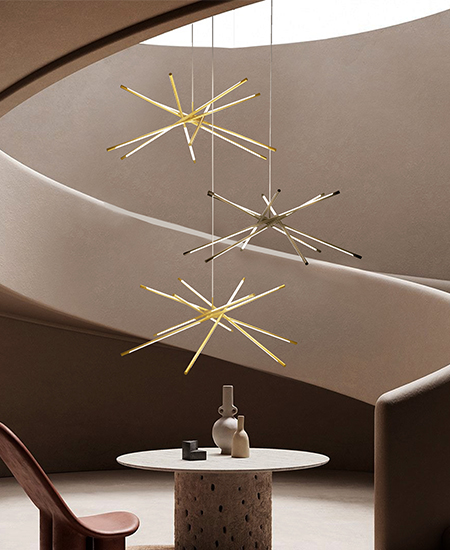

Introduction: Light That Stops You in Your Tracks
You enter a hotel lobby, the ceiling soars, and a single halo of crystal makes the room feel bigger than it is. A designer lighting company hears this story every week, because great light changes how people feel and move. If you’ve been looking into luxury crystal chandelier designs, you already know the stakes: mood, maintenance, and money. Data from hospitality and retail shows lighting often takes a large share of energy use and can sway dwell time and perceived quality in double digits (context matters, of course). So why do so many premium chandeliers look impressive but still miss the mark once installed?
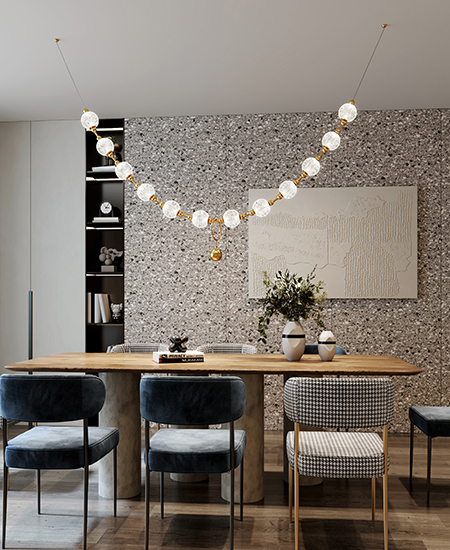
Here’s the twist—most misses aren’t about looks at all. They’re about planning gaps: lumen output mismatched to volume, dimming drivers that flicker at low levels, and weight that pushes the slab beyond spec—funny how that works, right? The question is simple: how do you choose a piece that shines, fits, and lasts? Let’s break down what’s really going on and map a smarter path forward.
The Deeper Problem with Traditional Selections
What’s causing the mismatch?
Traditional chandelier selection starts with style boards and ends with a spec sheet. That’s backward. In tall spaces, you need to size light by volume and surface reflectance first, not by catalog diameter. When lumen output, CRI, and beam spread aren’t modeled together, the chandelier either overpowers the room or disappears at dusk. And when dimming drivers don’t match the control protocol—DALI, 0–10V, or phase cut—you get stepping, ghosting, or weird drop-offs at 20%. Look, it’s simpler than you think: start with performance targets, then pick the form that meets them.
There’s more. Many luxury fixtures skip deeper engineering: heat dissipation, service access, and power converters placed where no tech can reach a year later. Maintenance teams pay the price. Lifts jam. LEDs run hot and shift color. Cleaning a forest of pendants without quick-release hardware? That’s a weekend gone. The real flaw isn’t taste; it’s process. Specs lean on tradition instead of load calculations, thermal management, and lifecycle planning. The chandelier is a system—optical diffuser, drivers, structure, weight, and wiring—and the system breaks where the plan ends.
New Principles: How Smart Tech Rewrites the Rulebook
What’s Next
We’re past the era of “hang it and hope.” New control stacks and modular builds make premium chandeliers more stable, serviceable, and future-ready. Start at the edge: place low-latency nodes or lightweight edge computing controllers near the canopy to manage scenes without network lag. Pair constant-current drivers with proper thermal paths to keep LEDs in spec, so CRI stays high and color shift stays low. Then layer control protocols—0–10V or DALI for reliability, plus wireless bridges for commissioning—so you don’t lock the client into one app forever. The result is smoother dimming curves, fewer callbacks, and clean integration with building systems.
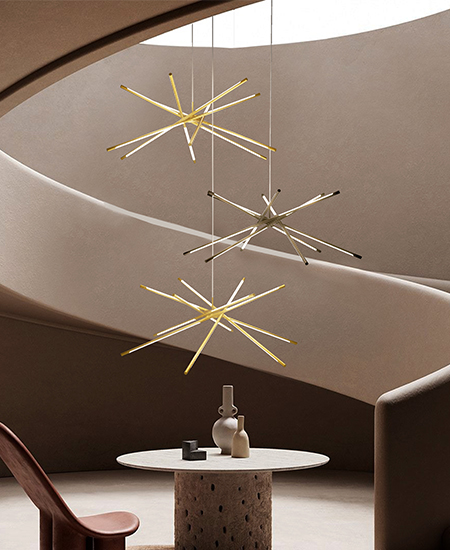
On form, think kit-of-parts. Modular trusses carry weight safely, while segmented crystal arrays clip in for cleaning and repair. Swappable optics and beam angles let you tune brightness after install (not before walls are painted). And when the client wants a personal touch, route that into bespoke lighting design: custom proportions, tuned reflectors, and finishes that echo the space. The philosophy is simple—design for performance, then let craft shine. You get the drama, without the drama.
Comparative Insight: Old School vs. Now, and Why It Matters
Old school picks shape first, math later. Today’s best practice flips the stack—math first, shape that follows—and the difference is night and day. When you model volume, surfaces, and sightlines up front, you pick scale and crystal density that actually read from the floor. When you map drivers to controls, you get smooth fades for dining and events. And when you plan weight and service paths, you keep structural loads safe and cleaning crews sane. It’s not about tech for tech’s sake; it’s about fewer trade-offs and cleaner installs— and that’s the kicker.
Think forward, not just fancy. A chandelier that can accept upgraded drivers in five years or a new scene profile in minutes will outlast furniture cycles. A system that documents wiring diagrams and spare parts saves days down the line. Compared to legacy picks, the modern stack reduces noise, cuts energy peaks, and stabilizes color across seasons. It reads as luxury because it stays consistent, not because it’s the most complicated thing in the room.
How to Choose: Three Metrics That Matter
Use three checks before you sign off. First, performance fit: confirm target lux at task height, CRI ≥90, and dimming range to 1% without steps. Second, system integrity: verify driver compatibility (DALI or 0–10V), thermal management, and access for service—plus weight vs. slab load with a clear rigging plan. Third, lifecycle cost: include cleaning time, spare crystal policy, and driver replacement intervals in total cost of ownership. If a candidate clears those, the rest is taste and storytelling. And that’s where the right partner helps—knowledge first, aesthetics second, but both in balance. Learn more at kinglong.